







Most people plan a Woodinville wine day by picking tasting rooms. Far fewer plan the gaps between them, and that is where the day tends to unravel. A group finishes a flight in one district, someone checks a map, and suddenly the next appointment is a short drive away with nobody in a state to take the wheel.
The question here is narrow and practical: once you are in Woodinville, how do you get from one tasting room to the next? There are five realistic answers. Each works for somebody, and each has a weak spot worth knowing before you commit.
If you are still deciding which parts of the valley to visit, our guide to Woodinville’s tasting districts covers the character of each area. This article picks up after that decision is made.
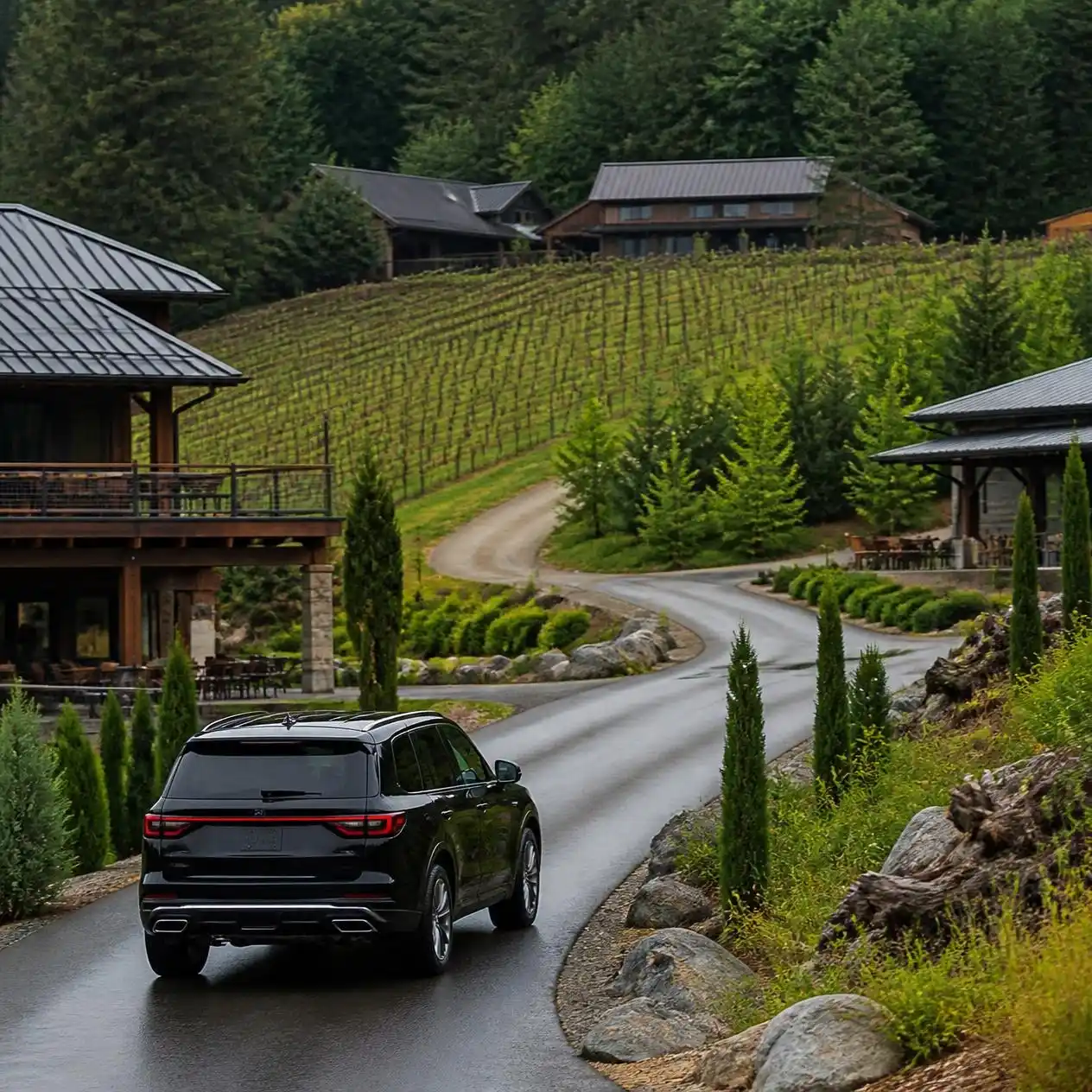
The Short Distances That Still Need a Plan
On a map, Woodinville looks compact. The tasting rooms cluster in a handful of pockets along the Sammamish River valley, and the drive between those pockets is short. That compactness is misleading. The districts are separated by a state highway, business parks, the river itself and stretches of road without sidewalks. Two tasting rooms can be close as the crow flies and still be awkward to connect on foot.
Timing adds another layer. Many wineries work by appointment or hold set tasting slots, especially on weekends. A ten-minute transfer that turns into thirty because a ride did not show up can cost you a reservation. So the method you choose affects not only safety and comfort, but whether your schedule survives the afternoon.
A useful way to think about it: inside a district, distance is rarely the problem. Between districts, it almost always is.
Walking Within a District
Walking is the most pleasant way to move between neighboring tasting rooms, and in a couple of districts it genuinely works. In the Warehouse District, many producers share the same complexes, so moving from one door to the next can mean crossing a parking lot. Parts of the Hollywood District also allow a short stroll between rooms that sit close together.
The limits show up quickly. Walking will not connect one district to another in any comfortable way. Shoulders along the busier roads are narrow, crossings can be slow, and the walk back to wherever you started grows longer with every stop. Weather matters too: a light drizzle is part of Seattle life, but a steady rain turns a pleasant stroll into a damp one.
Walking pairs well with another method. Plenty of visitors arrive at one district by car, walk to two or three rooms there, then need a ride for the next leg.
Bikes and Pedal Options
The Sammamish River Trail, a paved multi-use path running through the valley, makes cycling an appealing idea, and on a dry morning it can be lovely. Some visitors ride in from Redmond or Bothell; others look for rentals or organized pedal outings.
The appeal fades as the tastings add up. Balance, reaction time and judgment are exactly what wine affects, and the stretches between the trail and certain tasting rooms put riders on roads shared with traffic. Bikes also leave you with nowhere to put the bottles you buy, unless you plan to ship them or carry them in a backpack.
If cycling is part of the plan, keep it to the early part of the day, taste lightly, and have a fallback for getting yourself and your bike home.
Rideshare Between Districts
App-based rides are the default reflex for many visitors, and between districts they can work. Request a car, ride a few minutes, step out at the next winery. For a couple with a loose schedule on a quiet weekday, that may be all they need.
The weak spots are predictability and group size. Fewer drivers circulate in a suburban valley than downtown, and waits can stretch late in the afternoon. A party of five or more may need two cars, which means splitting the group and hoping both arrive. Each leg is a fresh request, so a five-stop day becomes five separate gambles on timing.
Rideshare also does nothing about purchases. Bottles travel with you in someone else’s car, and they need to come out with you at each stop.
The Designated Driver Problem
The classic solution is to pick one friend who stays sober and drives everyone. It costs nothing extra and keeps the group together. It also asks a lot of one person.
The designated driver spends the day watching others taste wines they came to try themselves. They handle parking at busy lots, navigate between districts, keep an eye on the clock for appointments and then drive home in evening traffic. Good intentions also slip: one small pour turns into two. Vehicle space is another constraint. A personal car that seats five rarely has room for five people and several cases of wine.
If your group goes this route, agree on the rule before the first stop, not after.
Hourly Chauffeured Service as the Simple Answer
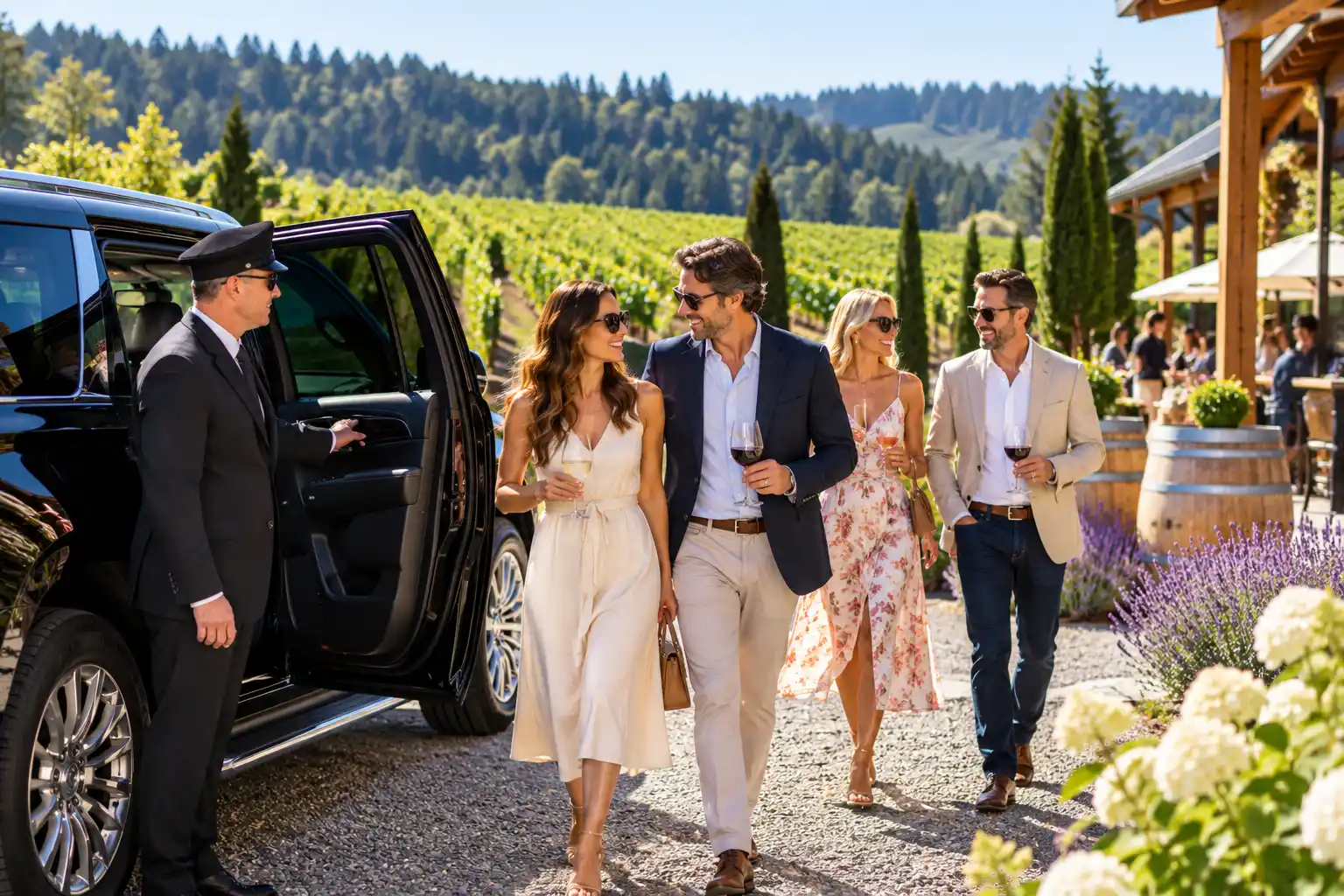
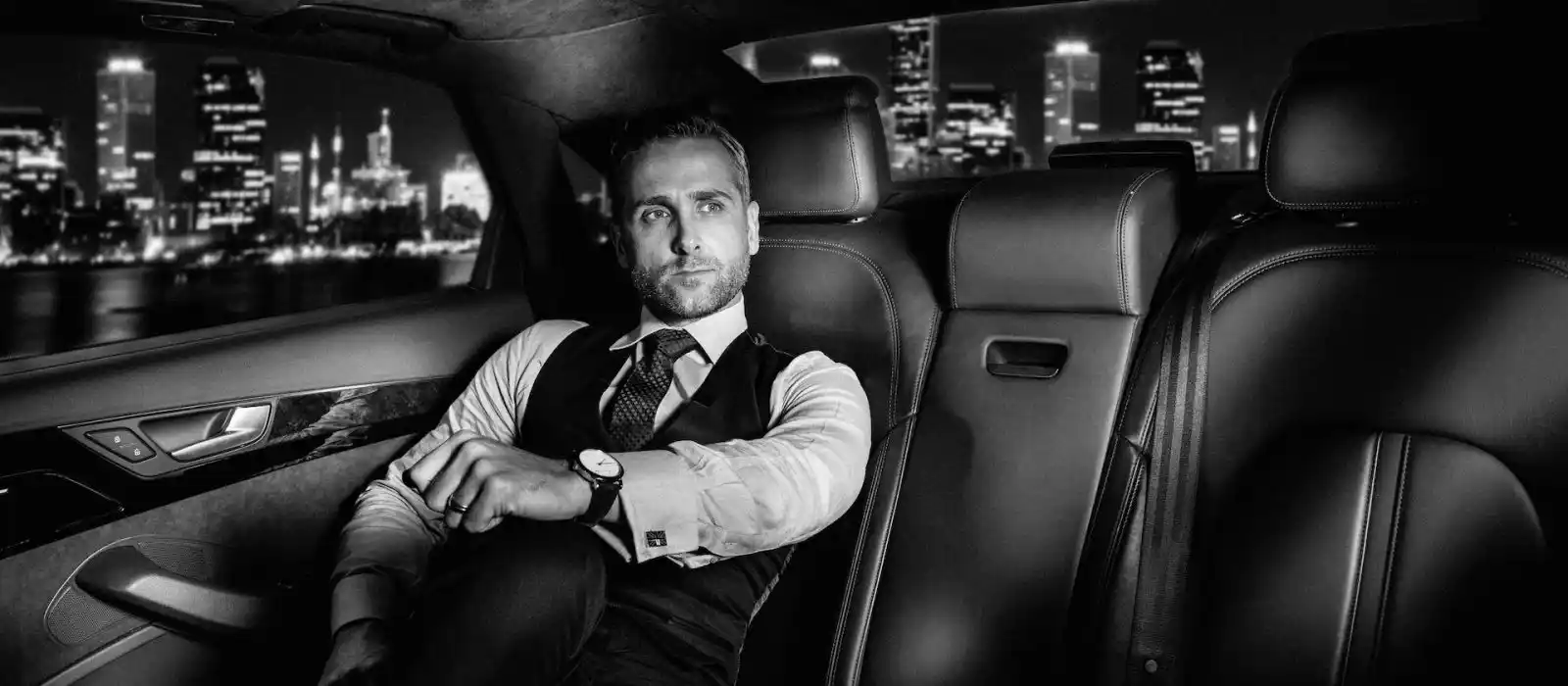
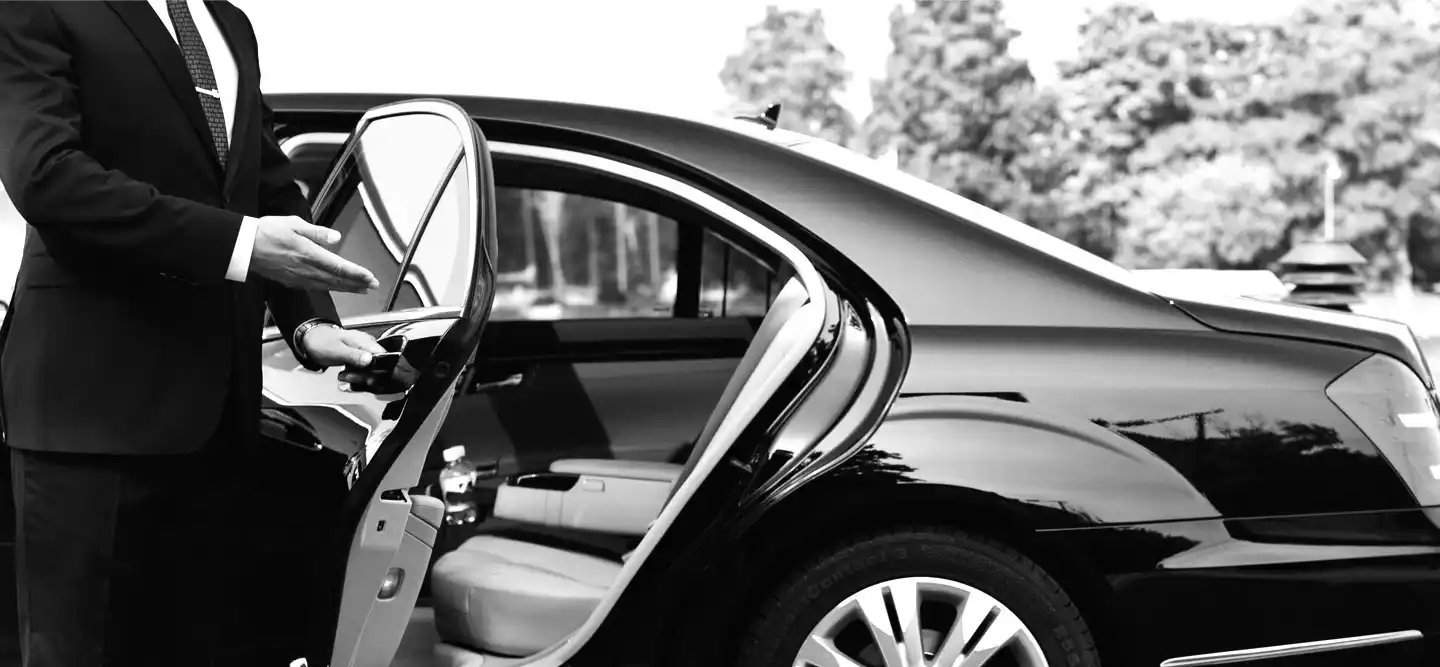
An hourly chauffeured car removes most of the friction above in one move. The vehicle waits while you taste, so there are no repeated ride requests. Everyone in the group gets to enjoy the wine. Purchases stay in the vehicle between stops instead of being carried from room to room, and the chauffeur handles parking, routing between districts and the drive home.
Booking by the hour also makes the day elastic. If a tasting room is crowded, the chauffeur can take you to the next one on your list and circle back later. If you discover a place worth lingering at, you can simply stay longer. Our Seattle hourly town car service works this way, with the vehicle chosen to match your party: a luxury sedan for up to three, a premium SUV for up to six, or an executive van for larger groups.
For pricing, the hours you book and the vehicle class are the two biggest factors, and the current rates page lays them out. When you are comparing a chauffeured day with a scattered mix of rideshares and a reluctant designated driver, consider what each method asks of your group as well as what it costs.
For a full picture of how a dedicated tasting day can be arranged, see our page on Woodinville wine tours. Torn between staying close and heading across the Cascades? Our comparison of a Woodinville day versus a Walla Walla overnight explains how the booking structure changes.
When you have a rough list of wineries and a headcount, the next step is to send them through our quote request form so we can suggest a vehicle and the number of hours that fits your plan.
FAQ
How far apart are the main Woodinville tasting districts?
The districts sit within a few miles of each other along the valley, so the drive between them is usually short when traffic is light. The real obstacle is not mileage but the lack of continuous sidewalks and the busy roads that separate them. Think of them as close by car and inconvenient on foot.
Is rideshare reliable for getting home from Woodinville?
It can work, but it is the least predictable part of a rideshare-based day. Demand rises as tasting rooms close, and fewer drivers tend to be nearby than in central Seattle. Larger groups may also need more than one car, which can leave part of the party waiting.
Can one hourly booking cover several districts?
Yes. An hourly reservation is built around your time rather than a fixed route, so the car can move between the Hollywood, Warehouse, West Valley and Downtown areas as often as your plan requires. Share your list of stops in advance so the chauffeur can sequence them efficiently.
Is it safe to bike between wineries after tastings?
Riding after several tastings carries real risk, since wine affects balance and judgment, and some connections put cyclists on roads with traffic. If you want to ride, do it before tasting or keep pours very small. Many groups enjoy the trail in the morning and switch to a car for the tasting portion.