








A private ride from Whistler to Seattle covers a long distance, crosses an international border and climbs a mountain highway. It is not the least expensive way to make the trip, and nobody should pretend otherwise. But “cost-effective” is not the same as “cheapest.” It means paying for what you actually need, and nothing you do not.
Travelers often overpay on this route without realizing it: a vehicle larger than the group needs, two separate bookings where one would do, or a pickup time that collides with border queues. This article explains what shapes the fare and the choices that keep it sensible.
What Drives the Fare on This Route
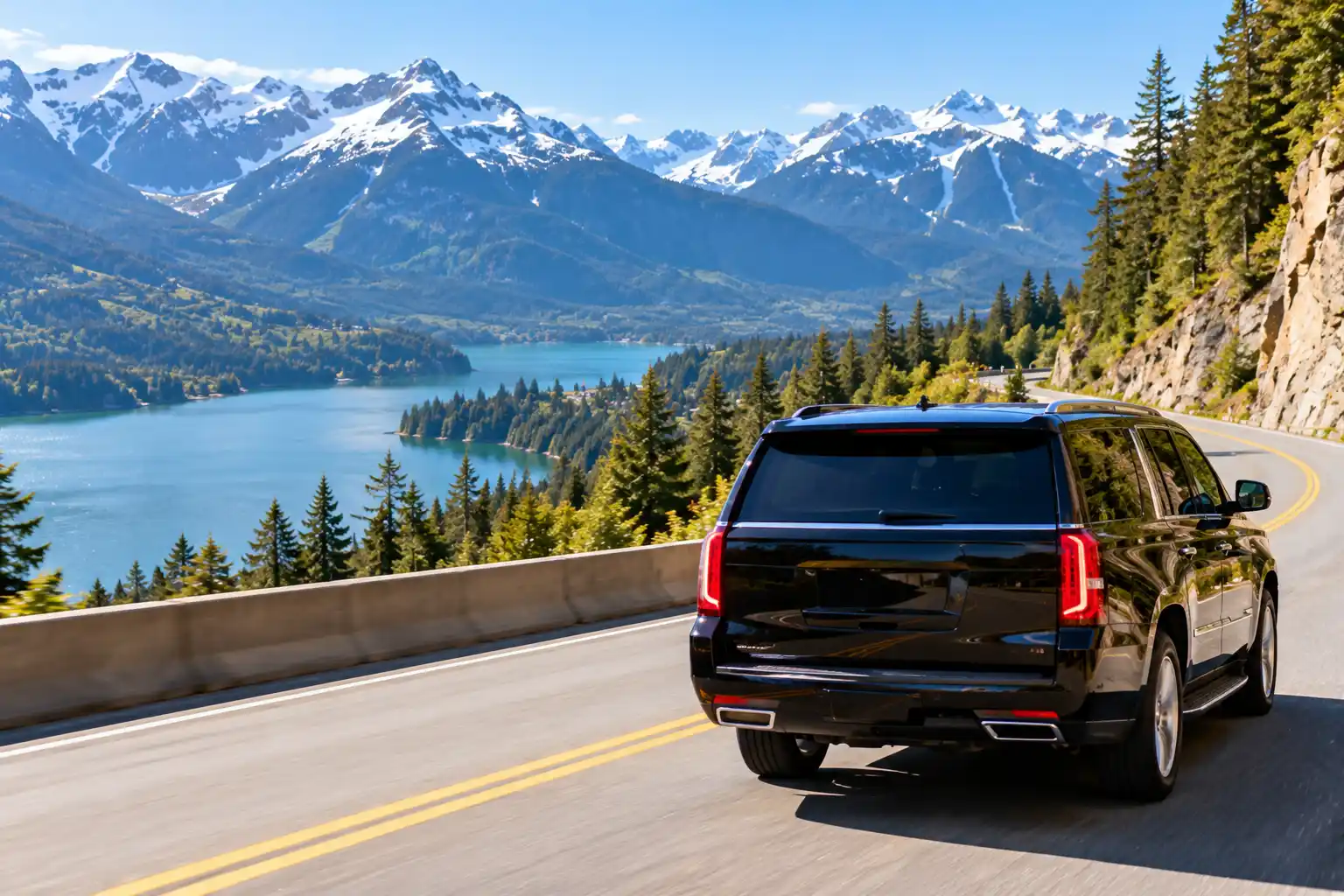
The largest factor is distance and time. The trip from Whistler to Seattle typically takes somewhere around five to six hours, depending on the border and traffic, and a chauffeured vehicle is committed for the full journey plus the return to base.
Other factors layer on top. Vehicle class matters, since a premium SUV or an executive van costs more to run than a sedan. The pickup and drop-off points matter too: a downtown Seattle hotel is a different trip from a home far north or south of the city. Extra stops, late-night hours and peak travel dates can also play a part. The live article on what you are really paying for in limousine pricing explains these pieces in general terms.
The published figures are on the rates page. The rest of this article is about how your own choices interact with them.
Right-Sizing the Vehicle
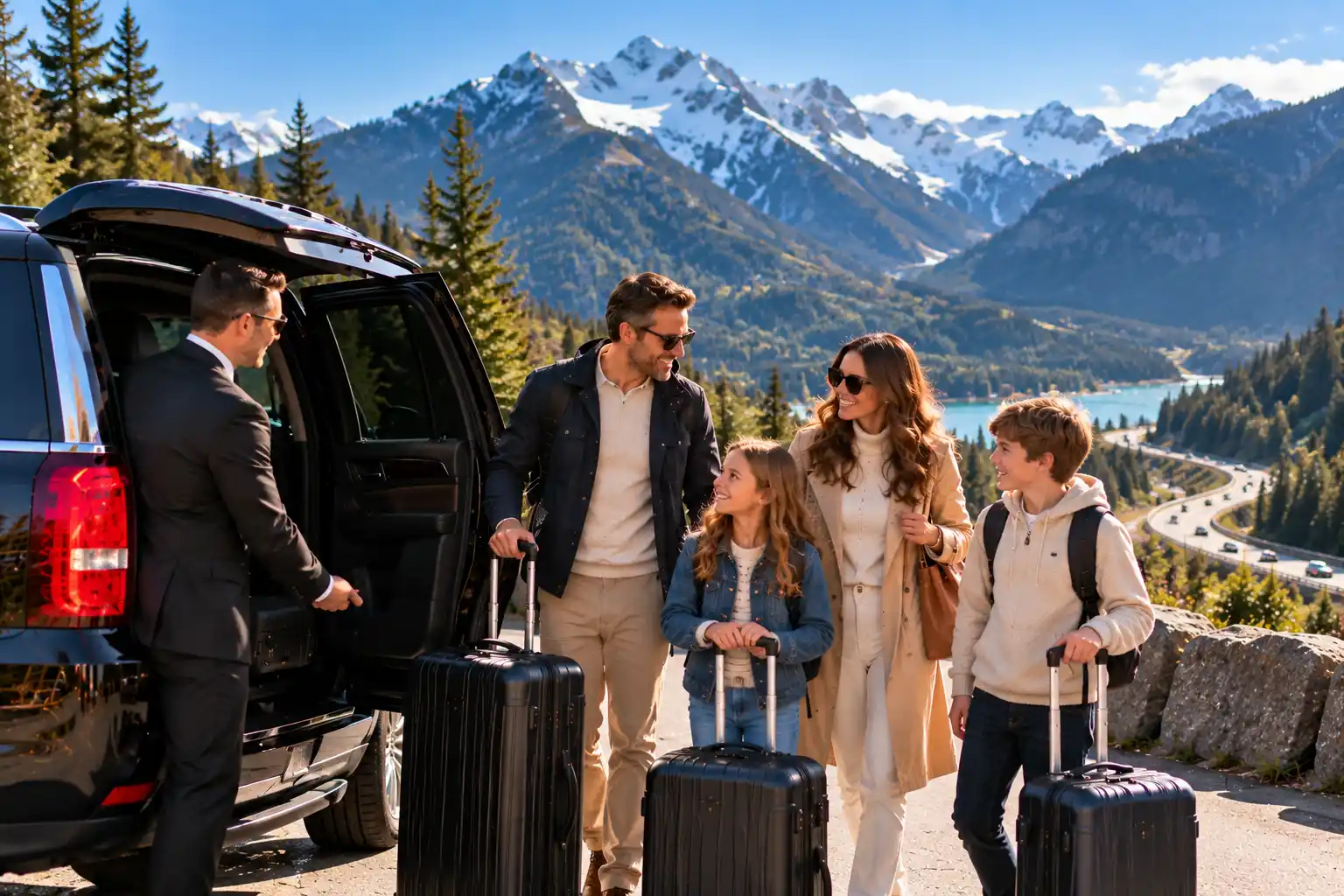
The most common source of overspending is booking more vehicle than the trip requires. A couple with two suitcases and no skis does not need an SUV for a summer return from Whistler; a luxury sedan holds one to three passengers with two or three bags, and the ride is just as comfortable.
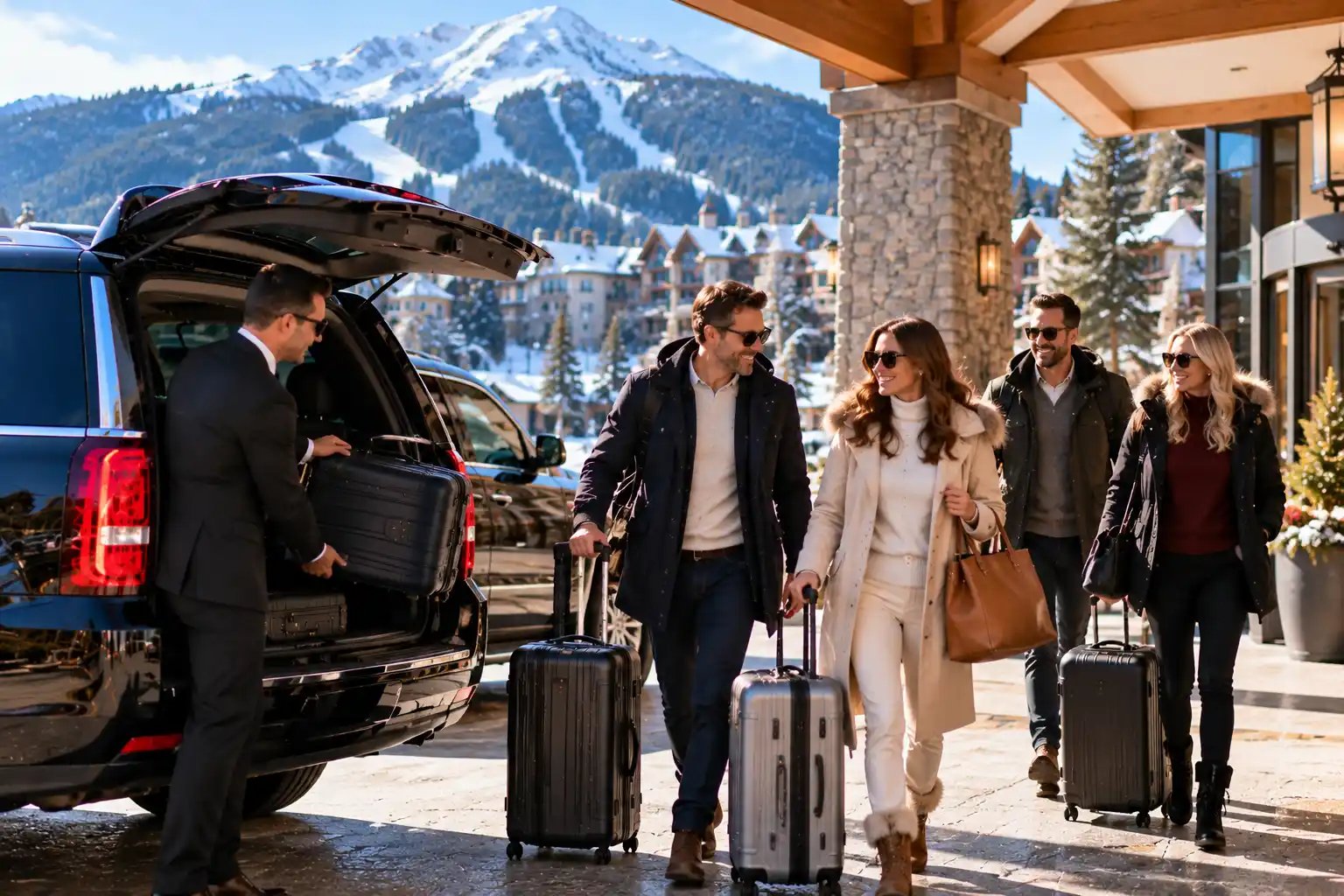
The opposite mistake is also expensive. Squeezing four adults and their ski bags into a sedan does not work, and discovering that at the curb in Whistler may mean a second vehicle at short notice. Count bags honestly, including boot bags and backpacks, and choose accordingly. Premium SUVs carry up to six passengers and four to six large bags, with room for skis. Bigger parties belong in an executive van, where luggage rides in its own compartment behind the seats.
If you are unsure, describe the luggage in detail when you ask for a quote and let the booking team recommend the class. The fleet page shows what each vehicle holds.
Splitting the Cost Across a Group
A private vehicle is priced per vehicle, not per seat. That simple fact is what makes it competitive for groups. The fare for one SUV is shared by everyone in it, so the more seats you fill, the lower the cost per person.
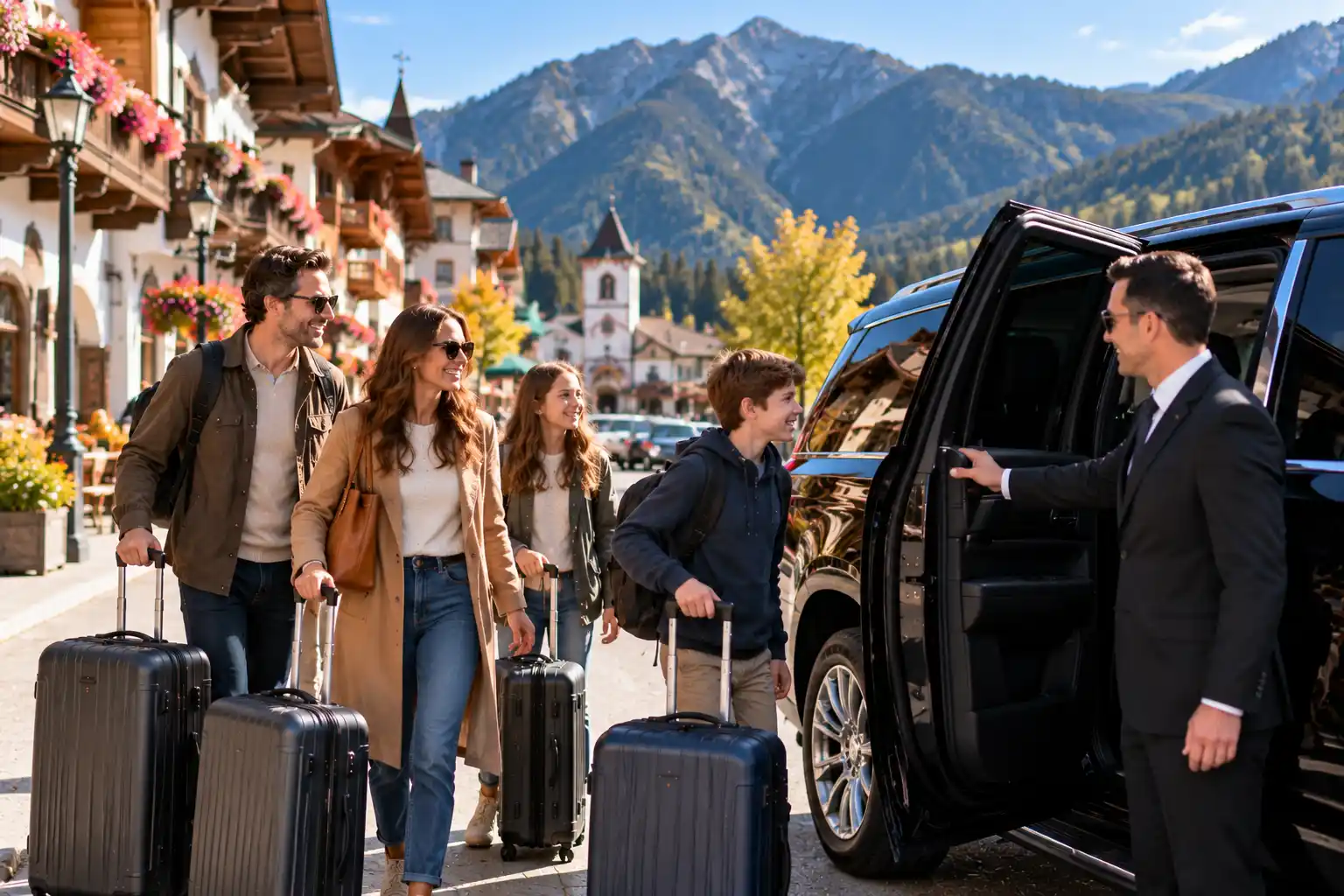
For a family of five or a group of friends who skied together, the per-person share can compare well with the combined cost of separate tickets on scheduled coaches, especially once you add the taxis needed at each end to get from a coach stop to a home or hotel. For a solo traveler, the arithmetic is very different, and a scheduled service may be the economical choice.
Groups of seven or more should look at a van rather than two SUVs. One larger vehicle usually costs less than two smaller ones covering the same route.
Booking Both Directions Together
If you are traveling Seattle to Whistler and back, ask for both legs in one request. Booking together lets the company plan the vehicle and chauffeur around both dates, and it makes the return pickup time certain before you leave home.
It also removes the risk of finding nothing available on a busy departure day. Checkout days at the end of holiday weeks and ski season weekends are popular, and a last-minute request may limit your options. For the arrival direction, the earlier review-focused article on the Seattle to Whistler private transfer covers what to check in a provider.
Timing That Avoids Wasted Hours
Time is part of the cost on a long route. A pickup that drives straight into a long border queue or a slow afternoon on Highway 99 lengthens the trip without adding anything for you.
When you are flexible, discuss departure times with the booking team. Leaving Whistler earlier in the day often helps. Weekday crossings are frequently less congested than the end of a holiday weekend. Wait times at the main crossings vary, and the published border wait times on the CBP website give a sense of patterns before you choose. Our earlier article on leaving Whistler for a flight explains how to work backwards from a departure time.
Combining stops is another efficient choice. If one person in the group needs to be dropped at SeaTac and the rest continue into the city, one vehicle with two stops is usually more economical than two separate rides.
Getting an Accurate Quote
A good quote depends on good information. Include the exact pickup address in Whistler, the drop-off address or flight in Seattle, the date and preferred time, the number of passengers, and a full count of luggage and sports equipment. Mention any stops along the way and whether you also want the Seattle to Whistler leg.
Send all of that through the quote request form, and you will receive a price for your actual trip rather than a general estimate.
FAQ
Is a private car ever cheaper than separate bus tickets?
For a single traveler, scheduled coaches are generally the lower-cost choice. For families and groups who fill a vehicle, the per-person share of a private car can come close, especially once you count the extra rides needed between coach stops and your actual addresses.
Does border waiting time affect the price?
That depends on how the fare is structured, so ask when you request a quote. Planning a departure time that avoids the busiest crossing hours is the simplest way to keep the trip efficient either way.
Can we share one vehicle with another family?
Yes, as long as everyone travels on the same day and the vehicle has room for all passengers and luggage. Give both pickup or drop-off addresses when booking so the route is planned in advance.
How do I get a firm price for this trip?
Submit a quote request with full trip details: addresses, date, time, passengers and luggage. The quote you receive is based on those specifics, so changes such as an added stop or more bags should be shared before travel.