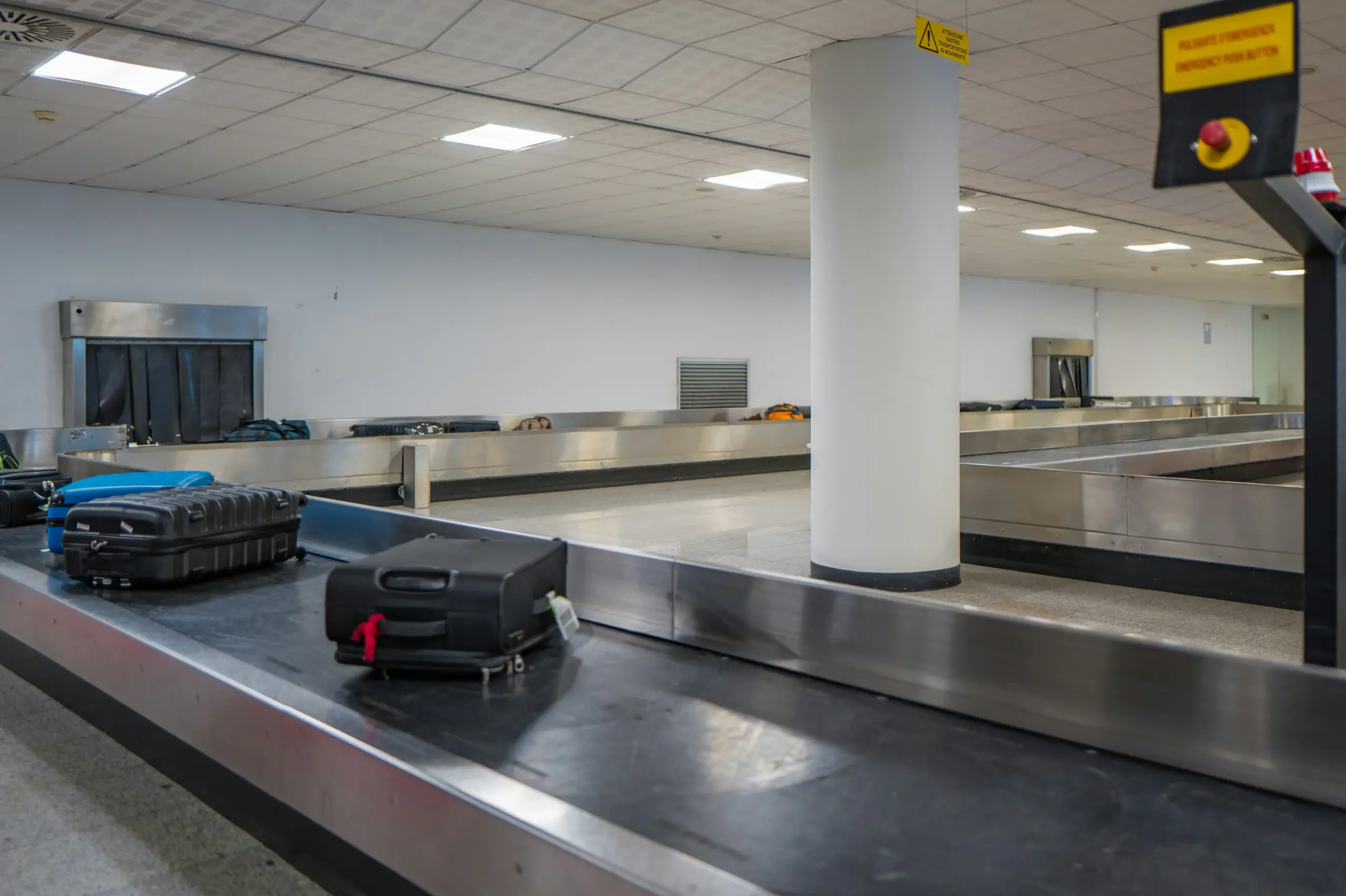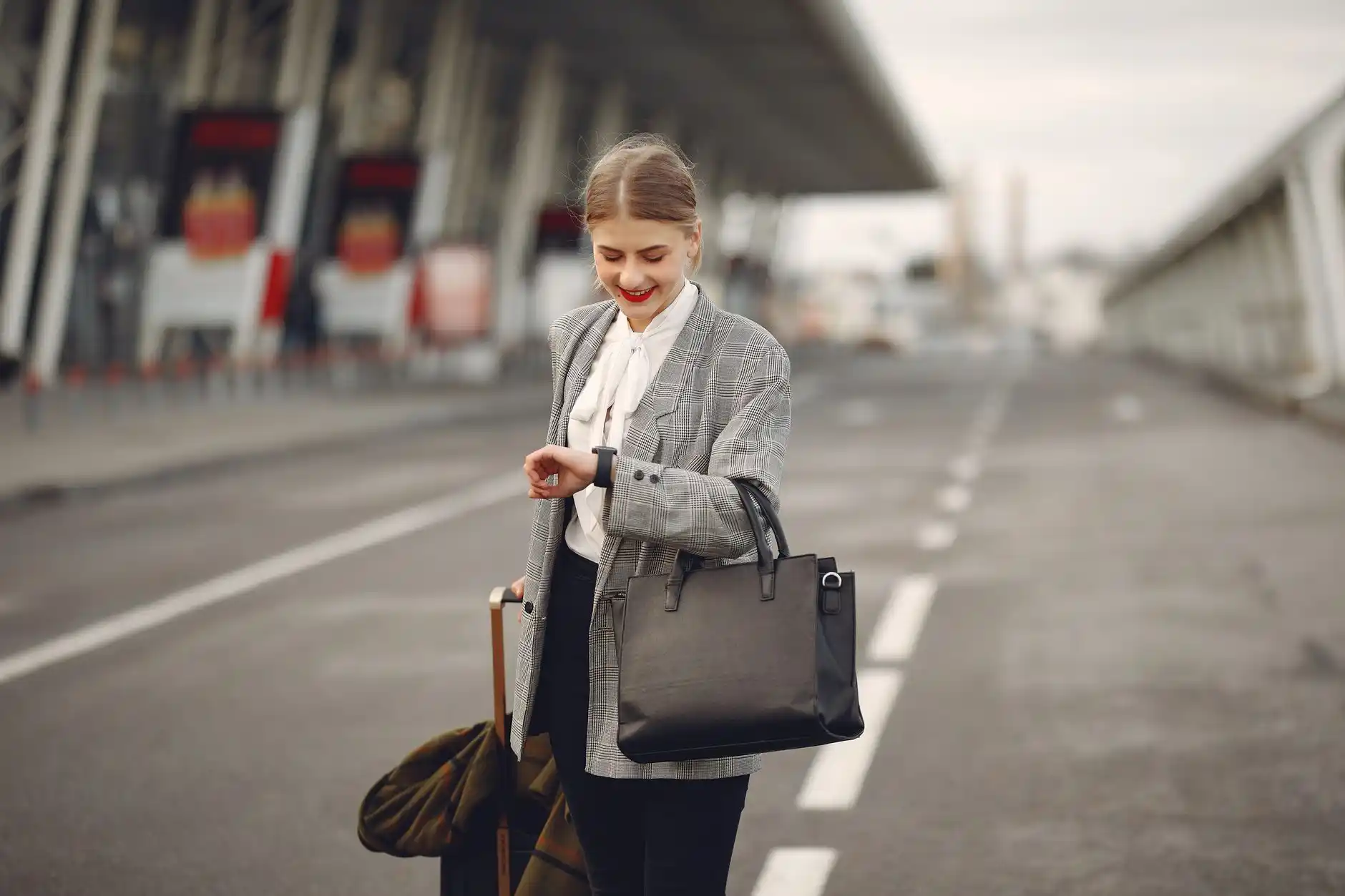









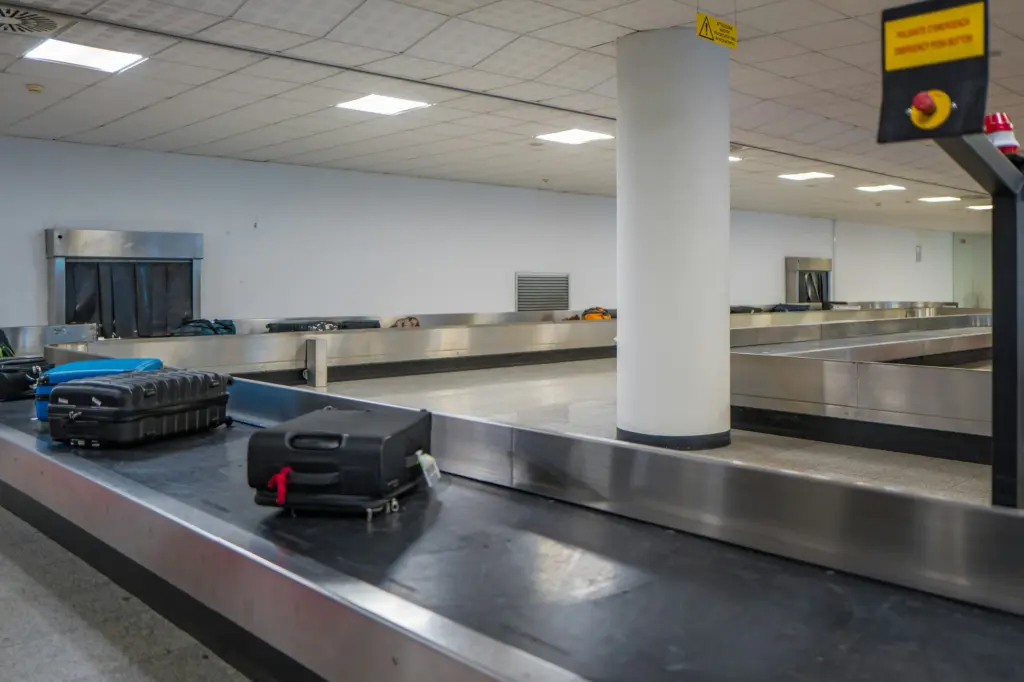
Seattle airport luggage assistance is available with a prearranged limo or car service, but the level of help depends on the pickup type. Confirm whether your driver will meet you at baggage claim, load bags at the curb, and provide a vehicle sized for every suitcase.
How luggage assistance works at SeaTac
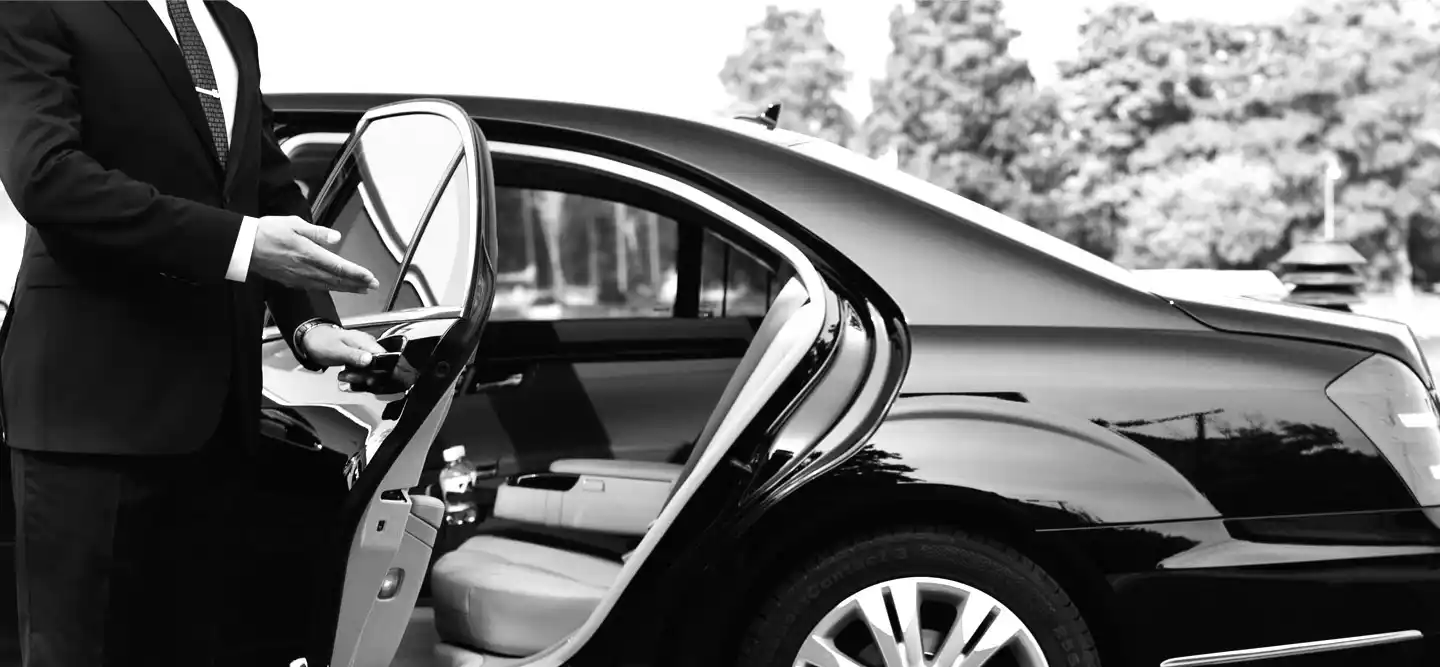
Most services include loading and unloading luggage between the meeting point and the vehicle. With curbside pickup, you collect your bags and bring them outside; with inside pickup, the chauffeur can meet you in the terminal and help after the bags arrive.
Drivers generally cannot retrieve checked luggage without you or act as airport porters. When booking Private Black Car Service Seattle, provide your flight number, passenger count, suitcase count, and any mobility needs. Confirm the meeting location by text after landing.
Which vehicle fits your bags and group size
Choose by luggage volume, not passenger capacity alone. A sedan may suit two travelers with two standard checked bags, while an SUV is typically safer for four travelers with several large suitcases.
- Sedan: Best for one or two passengers with light or standard luggage.
- SUV: Better for three to five passengers, large bags, or multiple carry-ons.
- Van or shuttle: Appropriate for larger parties, sports equipment, or six or more substantial bags.
For family, corporate, or cruise parties, request Seattle Group Transportation and list every bag. Do not assume an empty passenger seat creates usable luggage space.
Curbside vs inside pickup for heavy luggage
Inside pickup is the better choice when bags are too heavy to move comfortably from baggage claim to the curb. Curbside service is faster and often less expensive, but the driver must usually remain with the vehicle and cannot enter the terminal to assist.
Inside service may include parking or meet-and-greet charges, so ask whether those costs are included in the quote. Allow extra time after landing for baggage delivery, restroom stops, and walking from the carousel to the parked vehicle.

Special handling for oversized and fragile baggage
Disclose oversized or fragile items before the vehicle is assigned. Give the quantity and approximate dimensions of wheelchairs, skis, golf clubs, instruments, strollers, or boxed equipment so the operator can verify cargo space.
Request upright placement or separation from heavier bags when needed. A chauffeur can load carefully, but standard luggage assistance does not provide specialized packing or guarantee protection against damage. Keep medication, documents, electronics, and irreplaceable items with you.
When meet-and-greet is worth the upgrade
Meet-and-greet is worth paying for when a traveler has limited mobility, is unfamiliar with SeaTac, is managing children, or has four or more checked bags. The chauffeur waits at an agreed terminal location, helps coordinate the exit, and guides the party to the vehicle.
It is also useful for executives or guests who need a clear point of contact after arrival. Ask your Chauffeur Service Seattle about wait-time limits, flight-delay tracking, parking fees, and the exact name-sign location.
For reliable Seattle airport luggage assistance, book the vehicle around your total bag count and choose inside pickup whenever moving luggage through the terminal would be difficult.
FAQ
What qualifications and safety standards do chauffeurs meet?
Qualifications vary by operator, so confirm that chauffeurs are properly licensed, background-checked, trained in safe driving and luggage handling, and covered by commercial insurance.
What amenities are available in the vehicle?
Amenities depend on the vehicle and provider but may include bottled water, climate control, charging ports, Wi-Fi, and child seats by advance request. Confirm specific needs when booking.
What documents are required to cross the Canadian border?
Travelers generally need a valid passport, passport card, NEXUS card, or other document approved for the specific land-border crossing. Minors may need proof of citizenship and a consent letter when traveling without both parents; verify current requirements with Canadian and U.S. border authorities.