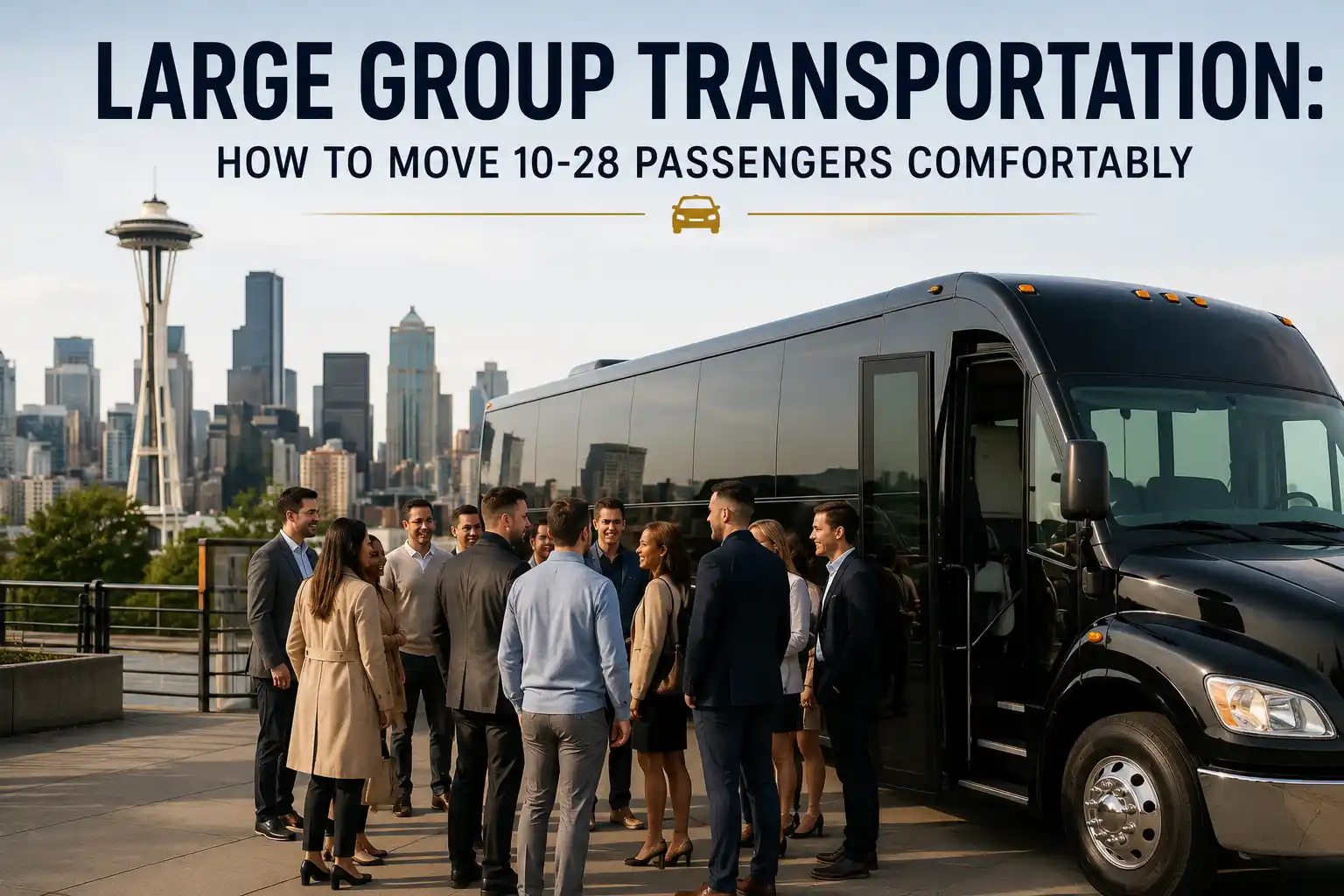











Planning transportation for a larger party can quickly become complicated, especially when timing, luggage, and multiple pickup locations are involved. Whether you are arranging airport transfers, event travel, or coordinated business movement, group transportation Seattle services make it much easier to move 10-28 passengers comfortably, on time, and without the stress of juggling several separate cars. The right vehicle strategy helps your group stay organized, reduces delays, and creates a smoother travel experience from start to finish.
If you are comparing options, start by understanding how vehicle size, passenger count, and trip type all work together. A well-planned Group Transportation Seattle solution is not just about fitting everyone inside one vehicle. It is about matching your group with the right transportation plan for comfort, baggage space, route efficiency, and schedule reliability.
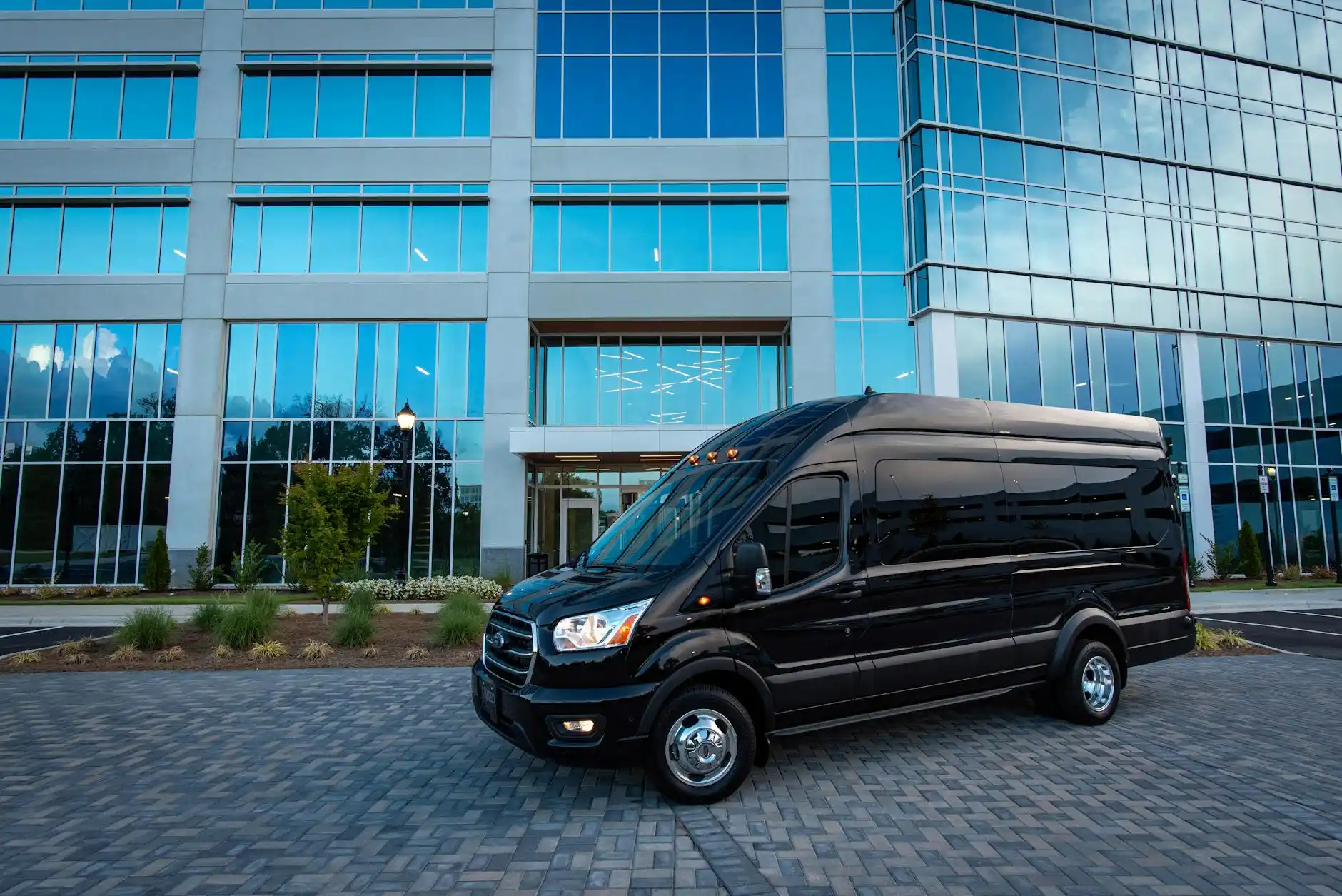
When a van is enough and when you need a larger group vehicle plan
For smaller groups, a van may be all you need. If you are transporting 10-14 passengers with light luggage and a single pickup point, a premium shuttle van or similar vehicle can often provide enough room while keeping the trip simple and cost-effective. This is especially practical for local dinners, short conference transfers, or direct hotel-to-venue rides.
However, once your group gets closer to 15-28 passengers, the planning changes. Comfort becomes a bigger factor, and so does luggage capacity. A group headed to the airport or cruise terminal may technically fit into a smaller vehicle count on paper, but if everyone has large suitcases, carry-ons, and personal bags, you may need a larger shuttle or a multi-vehicle plan that is carefully coordinated.
For group transportation Seattle, it is smart to consider:
- Total passenger count, including children and coordinators
- How much luggage each person is bringing
- Whether the route includes hills, downtown traffic, or long-distance travel
- If everyone is traveling together or in staggered arrivals
- How important onboard comfort is for the occasion
A wedding party, for example, may need extra room for dresses, garment bags, floral items, or photography gear. A corporate team may prioritize a cleaner executive feel with fewer passengers per vehicle. A cruise group often needs more luggage space than expected. In each case, the best plan is not always the maximum passenger capacity. It is the configuration that keeps the ride comfortable and efficient.
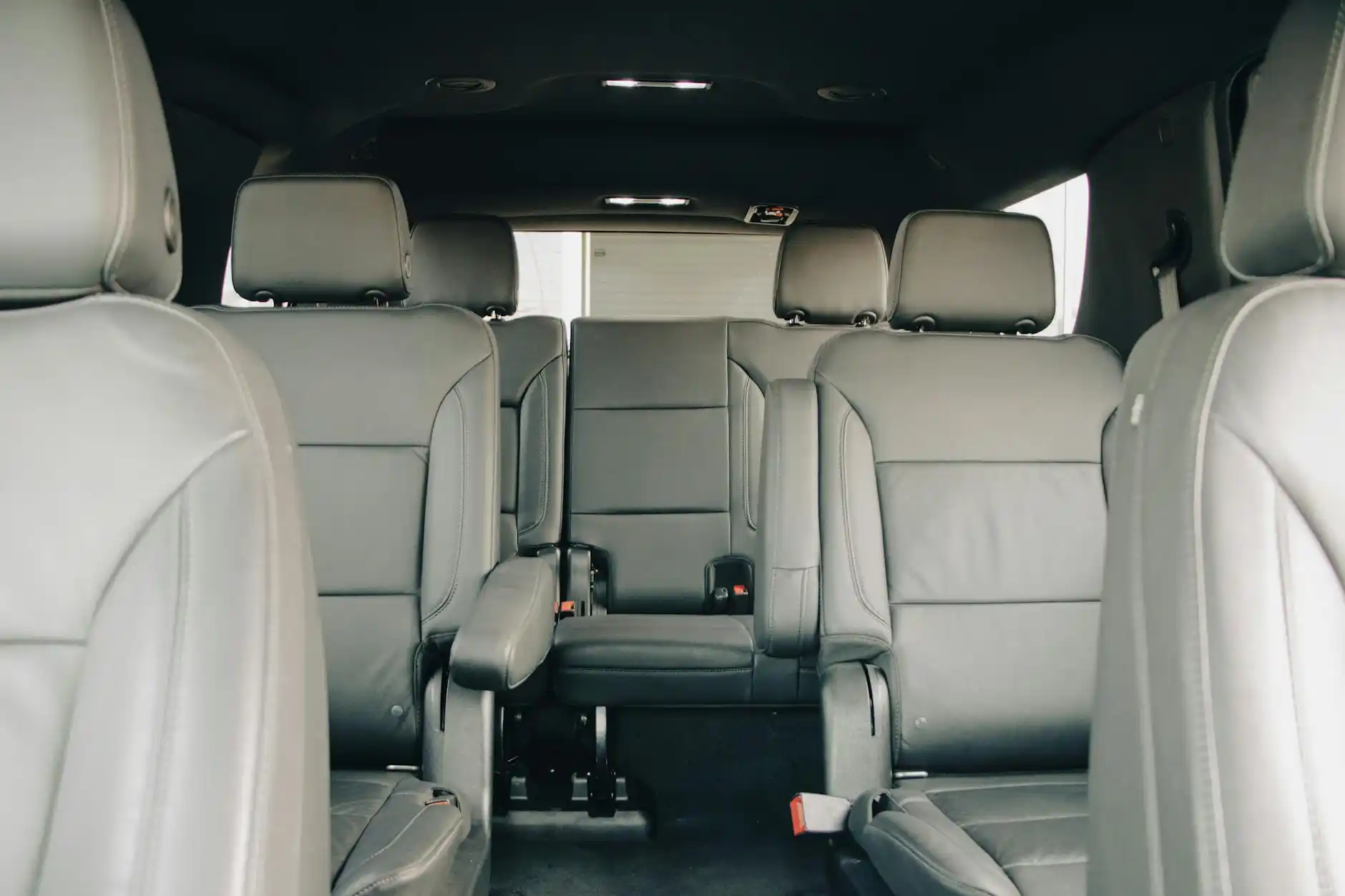
How to divide luggage, passengers, and pickup points efficiently
One of the biggest mistakes in large-group travel is focusing only on headcount. A successful transportation plan also accounts for what people are carrying and where they need to be picked up. Efficient trip planning starts by organizing the group into practical categories rather than assuming everyone can be handled the same way.
Start with a passenger and luggage list
Create a simple list with names, number of bags, special items, and pickup details. This helps identify whether your party can travel in one vehicle or whether a split arrangement is better. It also prevents last-minute confusion when there are oversized items like golf clubs, strollers, presentation equipment, or wedding attire.
Group passengers by destination and schedule
If everyone is going to the same place at the same time, a single coordinated shuttle is usually the best option. If your group includes different flights, hotel locations, or event start times, divide passengers into smaller travel blocks. This reduces waiting, keeps routes cleaner, and avoids putting pressure on one overloaded itinerary.
For more flexible point-to-point arrangements, a Seattle Private Shuttle Service can be a strong choice for keeping multiple pickups organized without sacrificing reliability.
Minimize pickup stops when possible
Every added stop increases the chance of delays. If you can, choose one central hotel, office, or meeting point for the entire group. If multiple pickups are necessary, place them in a logical route order and build in extra time for loading. This is especially important in Seattle, where traffic patterns, one-way streets, weather, and loading zones can all affect timing.
Smart group transportation Seattle planning means balancing convenience with efficiency. A few well-chosen pickup locations are far better than trying to collect every individual from a different address.
Airport, cruise, wedding, and corporate use cases for larger groups
Larger group transportation is not one-size-fits-all. The right plan depends heavily on the purpose of the trip.
Airport transfers
Airport group travel requires precision. Flight schedules, baggage claim timing, and terminal access all matter. For groups of 10-28, a shared airport shuttle arrangement can reduce confusion, ensure everyone arrives together, and avoid the cost and complexity of booking several rideshares or rental vehicles.
Cruise transfers
Cruise passengers often carry more luggage than airline travelers. That means vehicle selection needs extra attention. A coordinated cruise transfer from airport to hotel or port helps reduce stress before embarkation day and keeps the group together.
Weddings
Wedding transportation is about timing and guest experience. Moving family members, bridal party participants, or out-of-town guests in a shared vehicle helps the day run on schedule and prevents parking issues at ceremony and reception venues. It also gives guests a more polished, organized experience.
Corporate events
Business travel demands reliability and professionalism. Coordinated shuttles are ideal for conferences, executive meetings, team dinners, and multi-day events. If your organization is transporting attendees between hotels, meeting venues, and dinner locations, Meeting and Event Transportation services can streamline scheduling and reduce logistical problems.
Across all of these scenarios, group transportation Seattle works best when the transportation plan reflects the purpose of the trip, not just the number of seats required.

Why one coordinated transport plan beats multiple separate vehicles
Booking several separate vehicles may seem flexible at first, but it often creates more problems than it solves. Different drivers, different arrival times, and different route choices can split the group, increase late arrivals, and create communication issues. With one coordinated plan, everyone works from the same timeline.
Key advantages include:
- Clearer scheduling and fewer moving parts
- Better control over arrivals and departures
- Less risk of guests getting lost or delayed
- More predictable budgeting
- A more professional and organized impression
This matters even more for events with fixed timelines. If guests are arriving for a cruise check-in, airport departure, ceremony start, or conference session, keeping the group aligned can make a major difference. A coordinated transportation plan also reduces the burden on hosts, event planners, or office staff who would otherwise spend time tracking several vehicles and fielding status calls.
In many cases, a professionally managed group transportation Seattle service delivers better value because it reduces mistakes, keeps travel smoother, and improves the overall experience for everyone involved.
How to avoid delays when traveling with 10-28 passengers
Large-group transportation works best when details are confirmed in advance. Small mistakes become bigger when 10-28 people are involved, so preparation is essential.
- Confirm the final headcount early. Last-minute passenger changes can affect seating, luggage space, and timing.
- Share a master itinerary. Make sure all passengers know the pickup time, exact location, and who to contact.
- Build in buffer time. Allow extra time for loading bags, gathering passengers, and navigating traffic.
- Choose one group coordinator. A single point of contact helps the driver and passengers stay aligned.
- Be realistic about luggage. Oversized bags and special equipment should always be disclosed in advance.
- Use centralized pickup points. Fewer stops usually mean fewer delays.
- Confirm venue and terminal details. Exact entrances, loading zones, and timing instructions prevent last-minute confusion.
Seattle travel can involve weather shifts, downtown congestion, port traffic, and airport timing issues, so advanced planning matters. The more organized your itinerary is, the more likely your group transportation Seattle experience will be comfortable, punctual, and easy to manage.
FAQ
What size vehicle is best for 10-28 passengers?
It depends on headcount, luggage, and trip type. For about 10-14 passengers with light luggage and one pickup point, a premium shuttle van may work well. For 15-28 passengers, or any group carrying significant baggage, a larger shuttle or a coordinated multi-vehicle plan is usually more comfortable and efficient.
How should luggage and passengers be organized for a large group trip?
Start with a passenger and luggage list that includes names, bag counts, special items, and pickup details. Then group people by destination and schedule, and use as few pickup stops as possible to keep loading faster, routes cleaner, and timing more reliable.
When is one coordinated group transportation plan better than multiple separate vehicles?
One coordinated plan is usually better when the group is traveling to the same place on a shared schedule, such as an airport, cruise terminal, wedding, or conference. It helps keep everyone on the same timeline, reduces communication problems, and lowers the risk of late arrivals or guests getting separated.
How can large groups avoid pickup delays and timing issues?
Confirm the final headcount early, share a master itinerary, choose one group coordinator, disclose all luggage in advance, and build in extra time for loading and traffic. Using centralized pickup points and confirming exact venue, terminal, or loading-zone details also helps prevent delays.
What types of trips are best suited for large group transportation in Seattle?
Large group transportation in Seattle is especially useful for airport transfers, cruise departures, weddings, corporate events, conferences, hotel-to-venue shuttles, team dinners, and other private events where keeping 10-28 passengers together improves timing, comfort, and coordination.