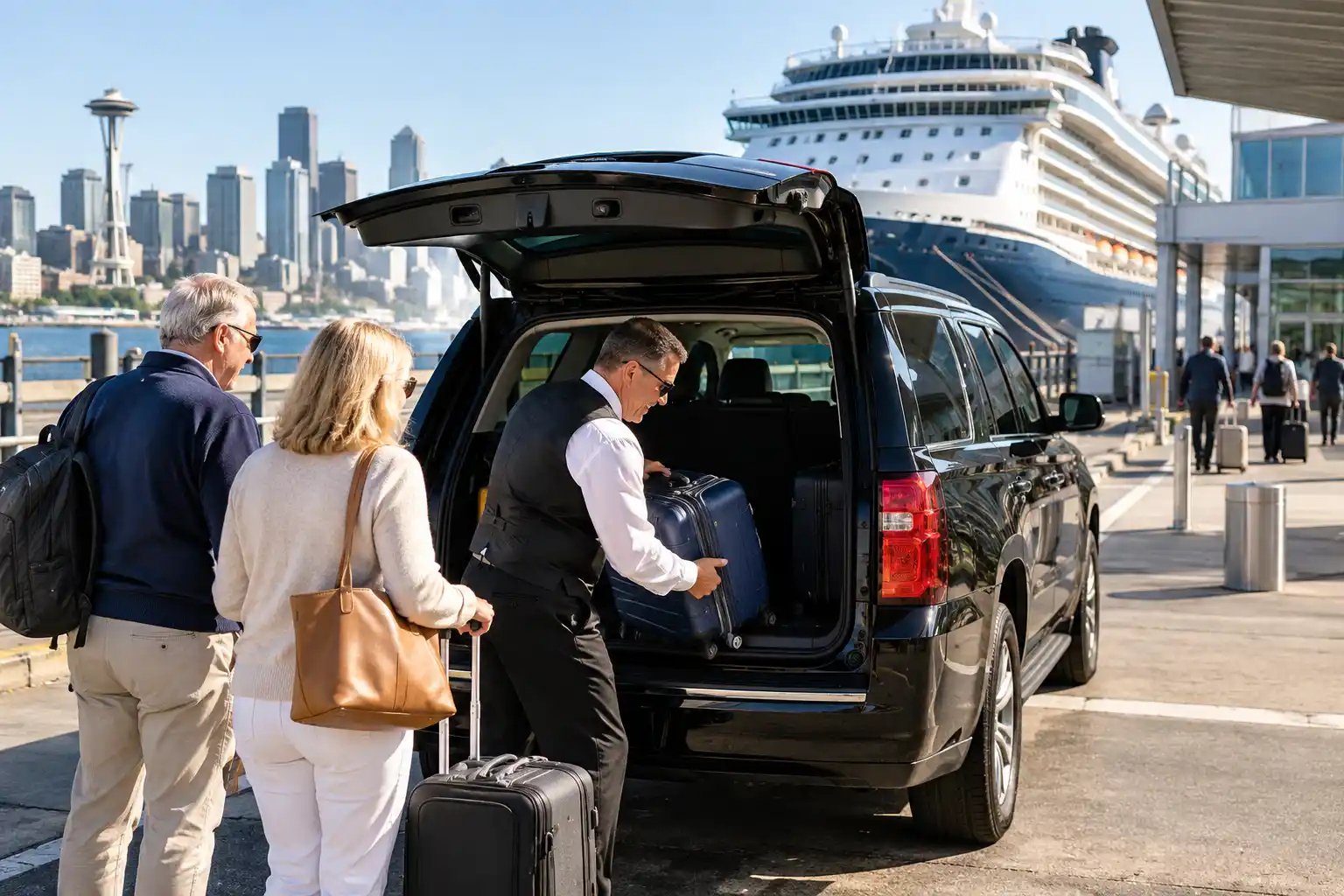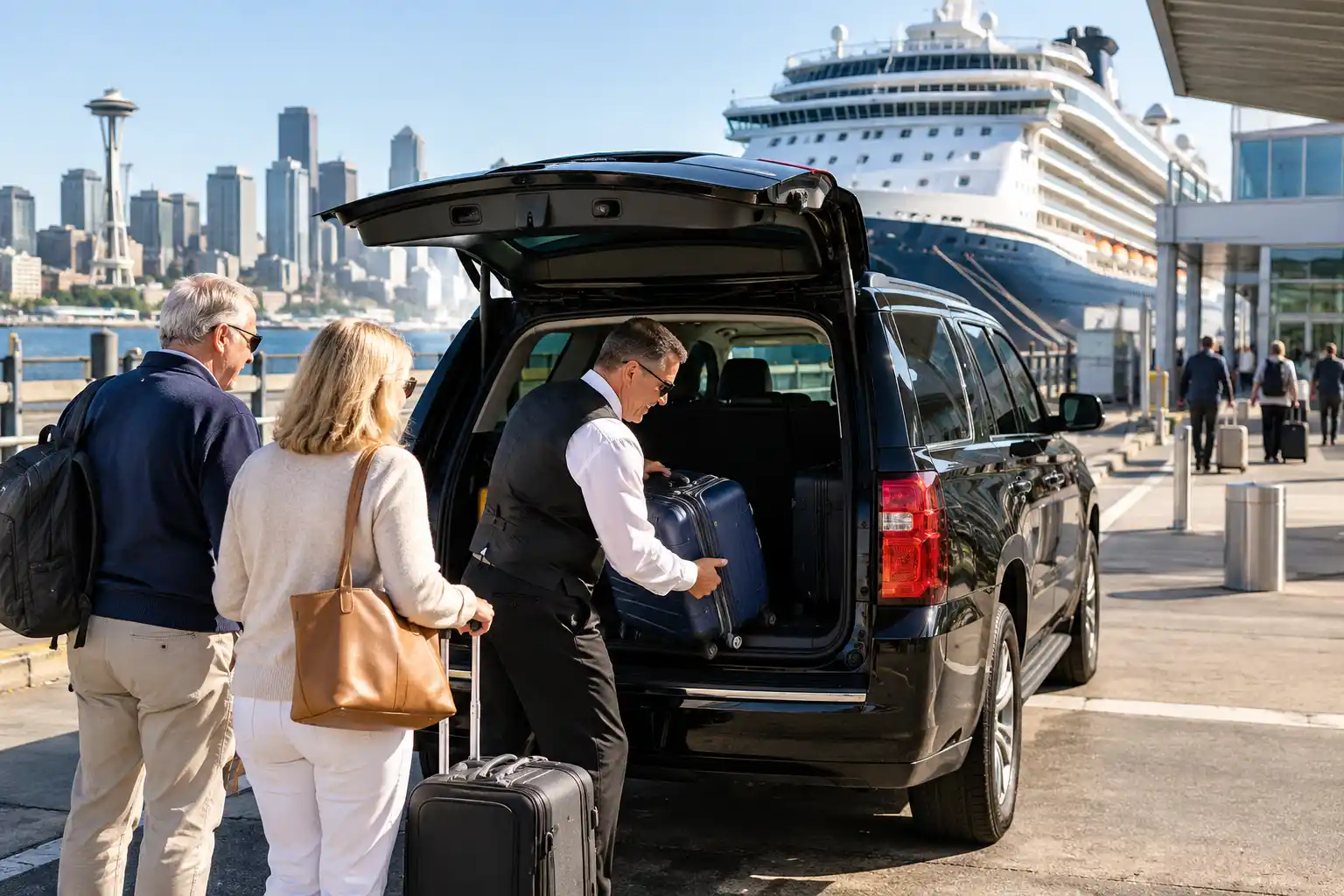












A cruise vacation in Seattle rarely needs just one ride. There is the trip in from the airport, perhaps a hotel night, the run to the pier, and a week or more later the reverse journey home. Booked one at a time, each of those rides is a separate reservation to confirm, adjust and remember.
A transfer package pulls those pieces into one plan built around your trip rather than a fixed menu. This article shows how packages are usually put together, a few combinations that work well in Seattle, and how pricing differs depending on whether the package is built from individual legs or blocks of hourly time.
Why a Package Can Beat Separate Rides
The main advantage is coherence. When every leg sits in one booking, the people planning your rides can see the whole trip at once. They know that the pickup on disembarkation morning connects to a flight later that day, or that the drive to the pier follows a hotel night in a particular neighborhood. Timing decisions are made with that context in mind.
A single booking also means fewer messages and confirmations. Change a flight, and one update adjusts the related legs. Add a passenger, and the vehicle choice is reviewed for the entire trip rather than for one ride. For families and small groups, it is reassuring to know that the same company, and often the same vehicle class, handles every step.
Finally, a package can include things a simple transfer cannot: sightseeing stops, a lunch break, or a few hours in wine country before a late flight. Our live article on customizable transfer options shows the range of adjustments available on any trip.

Popular Package Combinations
Every package is built from your dates and flights, but a few combinations come up again and again in Seattle.
Airport, City Highlights, Then the Pier
This combination suits travelers who land on the morning of embarkation with a few hours to spare, or who arrive the day before and want to fill the morning before boarding. The chauffeur meets you at the airport, keeps your luggage secure in the vehicle, and stops at a couple of city viewpoints or neighborhoods before delivering you to the terminal within your check-in window.
The key to making it work is a conservative plan. The stops are short, the route is chosen with the terminal in mind, and the final leg to the pier always has room for traffic. Our earlier article on excursions before and after a cruise has ideas for what to include.
Pier, Wine Country, Then the Airport
Disembarkation happens in the morning, but many flights home leave in the evening. Rather than spending the gap in an airport lounge, some travelers head northeast to Woodinville for a relaxed afternoon of tastings before the drive south to SeaTac. Luggage stays in the vehicle throughout.
This package works best with a late flight and a realistic number of stops. Two tasting rooms and a meal usually leave enough margin for traffic on I-405 and I-5. For more on the area, see the Woodinville wine tour page.
Round Trip With an Open Return
Some travelers know their embarkation details but not their onward plans. They may stay on in Seattle for a few days, wait for a business meeting to be scheduled, or have a flight that is not yet booked. A round-trip package with an open return confirms the first leg and holds the return in principle, so it can be confirmed once the time is known.
It is the option for anyone who wants the return taken care of without committing to a time too early.
Point-to-Point Legs or an Hourly Block
Packages are priced in one of two ways, and sometimes in a mix of both.
Point-to-point legs work like individual transfers joined together: airport to hotel, hotel to pier, pier to airport. Each leg has its own fare based on distance, vehicle class and pickup point, and the package total is the sum of the legs. This structure suits trips where the car drops you off and leaves between each step.
An hourly block keeps the vehicle and chauffeur with you for a set period. It suits combinations where the car stays with you, such as a sightseeing morning before the pier or a wine country afternoon after disembarkation. Waiting time during stops is part of the booking rather than an extra.
Many packages combine the two: a point-to-point airport arrival on day one, an hourly block for embarkation morning with a city stop, and a point-to-point return. Our rates page explains how both structures are calculated, and the live article on what goes into a limousine quote is useful background.
Changing a Package After It Is Booked
Cruise plans shift: flights are rescheduled, a relative decides to join, or the ship returns at a different hour than planned. A flexible package is designed to absorb that.
The rule of thumb is simple. Send the change as soon as you know it, and send it as a full picture rather than a single detail. If a flight moves, include the new flight number and arrival time, and note whether it affects any later leg. If the group grows, give the new passenger and bag count so the vehicle can be reviewed. Changes made with notice are easy to accommodate; changes made at the curb are harder.
When you have your sailing dates and at least a rough idea of your flights, ask for a custom cruise package quote listing each leg and any stops you would like to add.
FAQ
Can I book a package before I know my flight times?
Yes. You can confirm the legs that are fixed, such as the hotel-to-pier transfer, and add flight details for the airport legs once they are booked. Just update the reservation as soon as your flights are set.
Is a package always cheaper than separate transfers?
Not necessarily. A package is mainly about planning and convenience; the cost depends on which legs and stops are included. A quote that lists each leg lets you compare it with booking rides separately.
Can different family members join at different stops?
Yes. A package can include pickups at more than one address, for example relatives staying at separate hotels. List every pickup point and the number of people at each so the right vehicle is assigned.
What happens if the ship returns late?
Chauffeurs follow the ship’s arrival and adjust the pickup. If the delay affects a flight or a later stop in the package, the plan is reviewed with you so the remaining legs still work.