









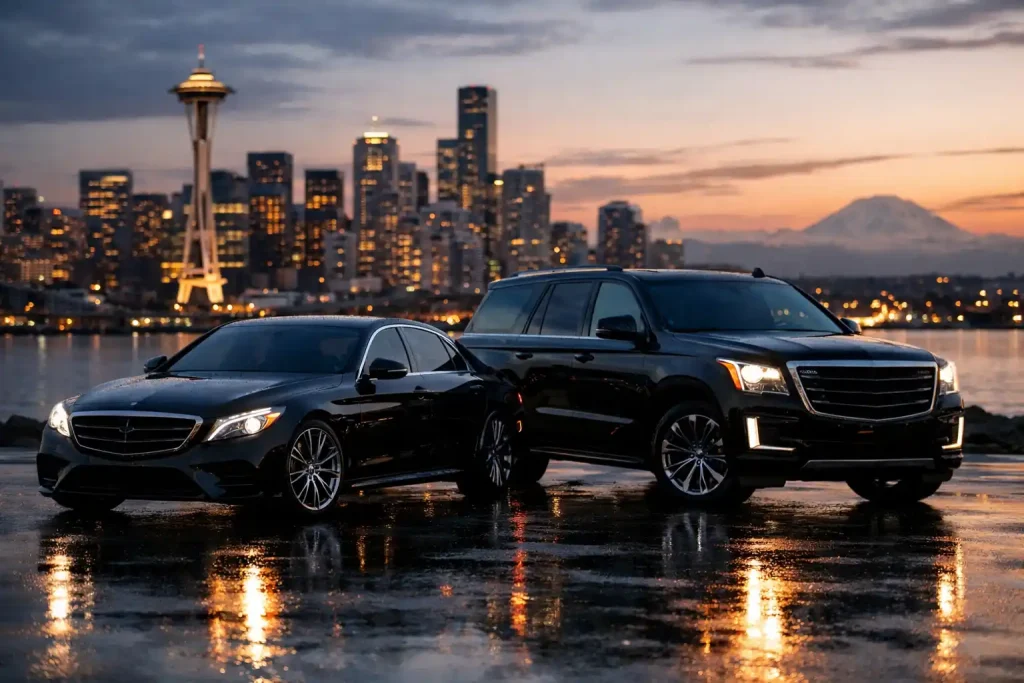
Seattle trips look simple on a map—until you add luggage, weather, bridge timing, and a pickup spot that’s “technically here” but not actually usable. That’s why people end up comparing sedans, SUVs, and rideshare in the same breath. If you’re searching town car vs Uber Seattle, you’re usually not only asking about price—you’re asking how to avoid delays, cancellations, and vehicle mismatch surprises.
This guide breaks down what changes in real-world Seattle transportation: the cost details people forget, what reliability really looks like in traffic, and a quick decision tree so you can book the right option the first time.
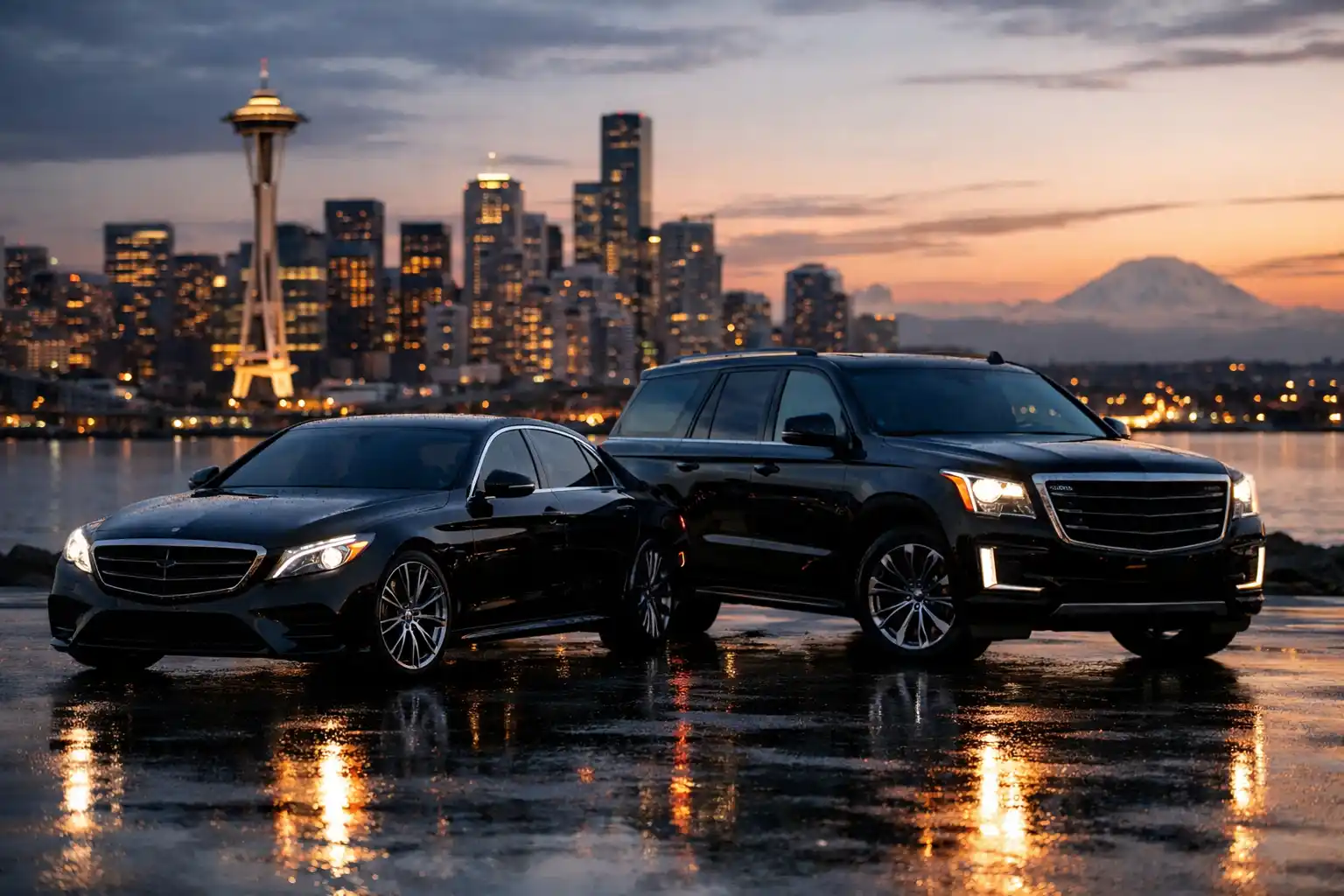
Sedan vs SUV: quick comparison
Sedan (Town Car / Luxury Sedan)
- Best for: 1–2 passengers, business travel, date nights, light-to-medium luggage
- What you’ll like: quieter ride, easier curb access, smooth “in-and-out” pickups
- Watch-outs: limited trunk space for oversized bags; 3 adults can feel tight on longer rides
SUV (Luxury SUV)
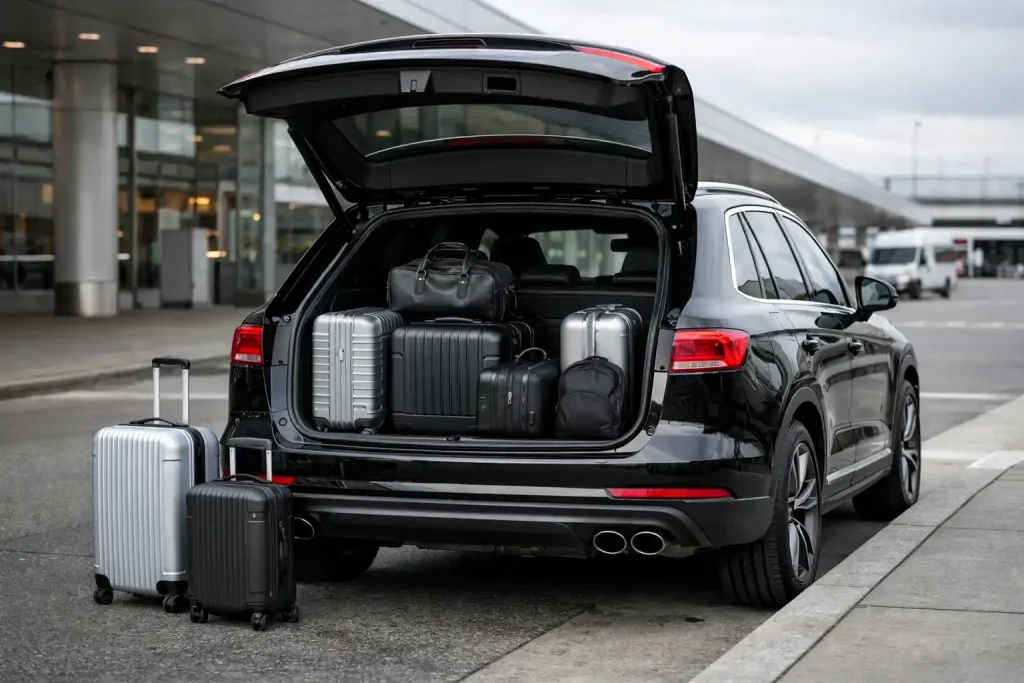
- Best for: 3–6 passengers, families, group pickups, bulky luggage, winter weather
- What you’ll like: room for bags and gear, easier loading, more flexibility for uncertain pickups
- Watch-outs: typically costs more; some tight downtown curbs can slow positioning
Where Uber fits
- Best for: flexible timing, simple point-to-point rides, minimal luggage
- Upside: quick ordering, lots of drivers at many hours
- Downside: surge pricing, cancellations, and inconsistent vehicle size/condition
If your trip has a hard deadline—flight check-in, meeting start, event doors—scheduled transportation (sedan or SUV) is usually the safer choice than “request and hope.”
Cost breakdown (what people forget)
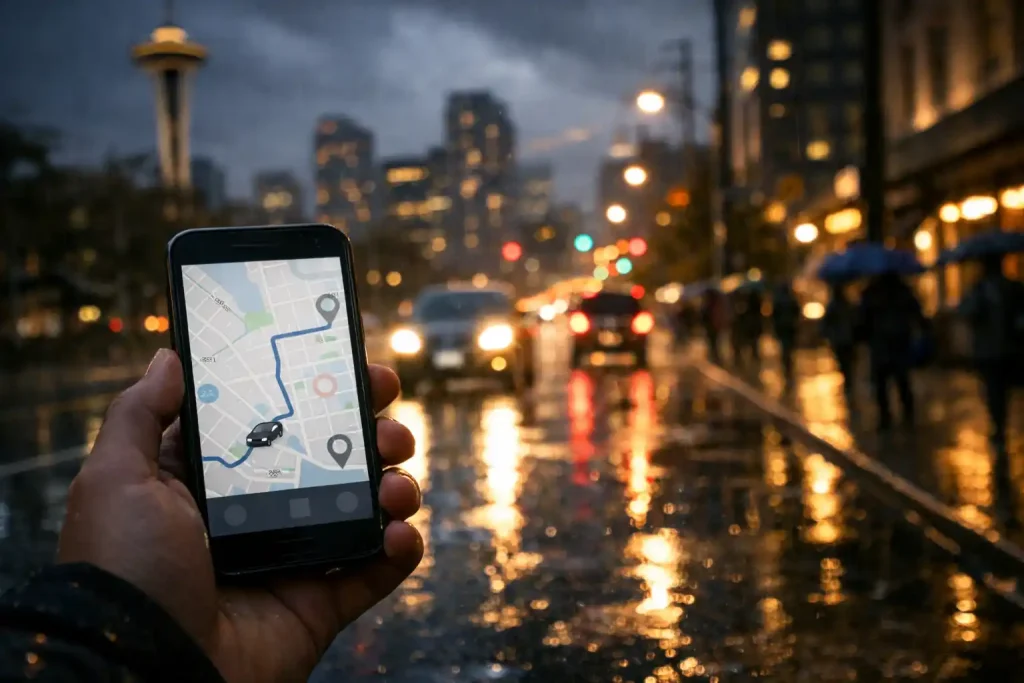
When comparing town car vs Uber Seattle, the first price you see rarely tells the full story. Here are the hidden cost drivers that matter most:
1) Surge vs predictable pricing
Rideshare pricing can spike quickly during rush windows, heavy rain, and big event releases. A pre-booked town car often stays more stable because it’s planned transportation, not spot availability.
2) The “wrong car” penalty
If the car that arrives is too small for your luggage, you either squeeze in uncomfortably or cancel and reorder. That costs time, adds stress, and can trigger fees or a more expensive rebook.
3) Paid minutes from pickup confusion
A lot of cost creep comes from avoidable waiting: circling blocks, missed meet points, curb restrictions, and “I’m here” messages that aren’t helpful. Coordinated pickup plans reduce those paid minutes.
4) Time in traffic (and how it’s billed)
Seattle congestion can be inconsistent by the mile. If your fare model is sensitive to time spent creeping, your final total can surprise you.
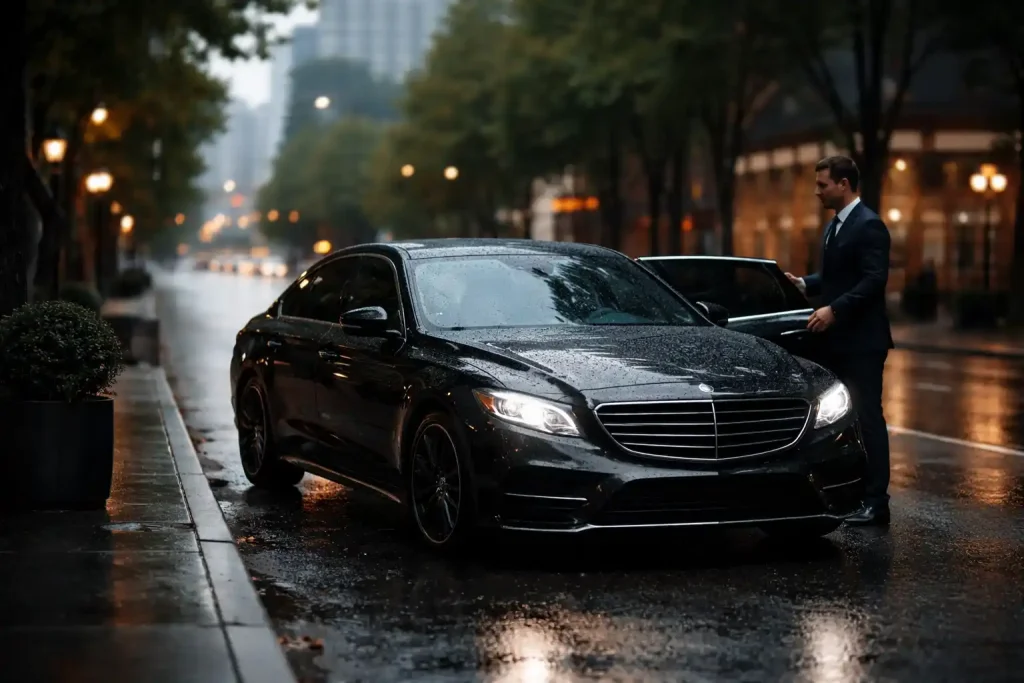
If airport trips are a common use case, start here and build your plan from it: SeaTac Airport Transportation.
Time + reliability: what changes with traffic
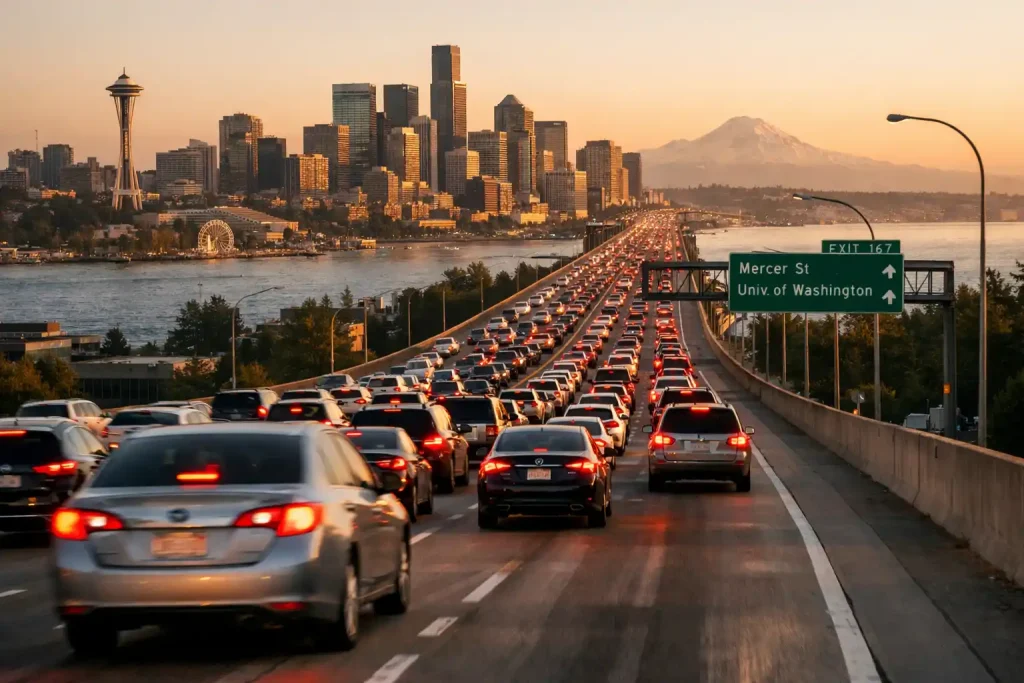
Seattle traffic isn’t only “rush hour.” It’s also bridge timing, downtown release waves, and short bursts of congestion that show up exactly when you least want them.
When a sedan is genuinely the smoother choice
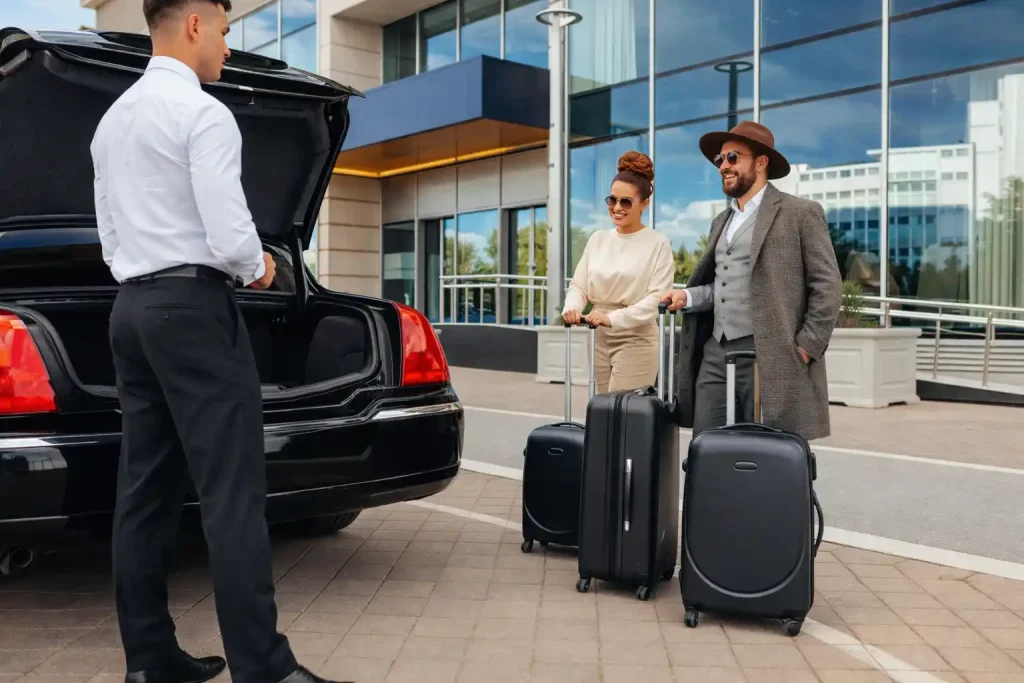
- Easier to position at tight curbs and narrow driveways
- Faster load/unload when you’re traveling light
- Ideal for quiet business rides where the ride experience matters
When an SUV is genuinely the smoother choice
- Faster overall for groups because boarding is simple
- Less trunk “Tetris,” fewer delays repacking bags
- More forgiving with strollers, skis, multiple full-size suitcases, and messy weather
The real reliability difference (town car vs Uber in Seattle)
- A scheduled town car is a planned dispatch with timing buffers—less “who’s available right now?” and more “this pickup is handled.”
- Uber is near-instant availability most of the time, but the risk shows up during high-demand windows: surge, cancellations, and vehicle mismatch.
If you’re coordinating north-end pickups, this page can help align expectations and options: Kenmore Town Car Service
Who should choose which option (decision tree)
Use this quick decision tree and you’ll usually get the right answer in under a minute:
A) Do you have a hard deadline? (flight, meeting, tickets, time-sensitive pickup)
- Yes → Schedule a town car (sedan or SUV)
- No → Uber can be fine if you’re flexible
B) How many passengers?
- 1–2 → Sedan is usually the clean choice
- 3+ → SUV is usually the safer choice
C) How much luggage is involved?
- Light luggage → Sedan works well for 1–2 riders
- Multiple large bags / bulky gear (stroller, golf clubs, skis) → SUV is the smarter call
D) What’s the trip’s “risk tolerance”?
- Low tolerance (can’t be late, client ride, airport) → Scheduled sedan/SUV
- High tolerance (casual plans, flexible timing) → Uber is acceptable
E) What’s the pickup environment like?
- Tight curb / narrow driveway / quick curbside pickup → Sedan often wins
- Crowded group pickup / uncertain access / bad weather → SUV often wins
Booking tips + checklist
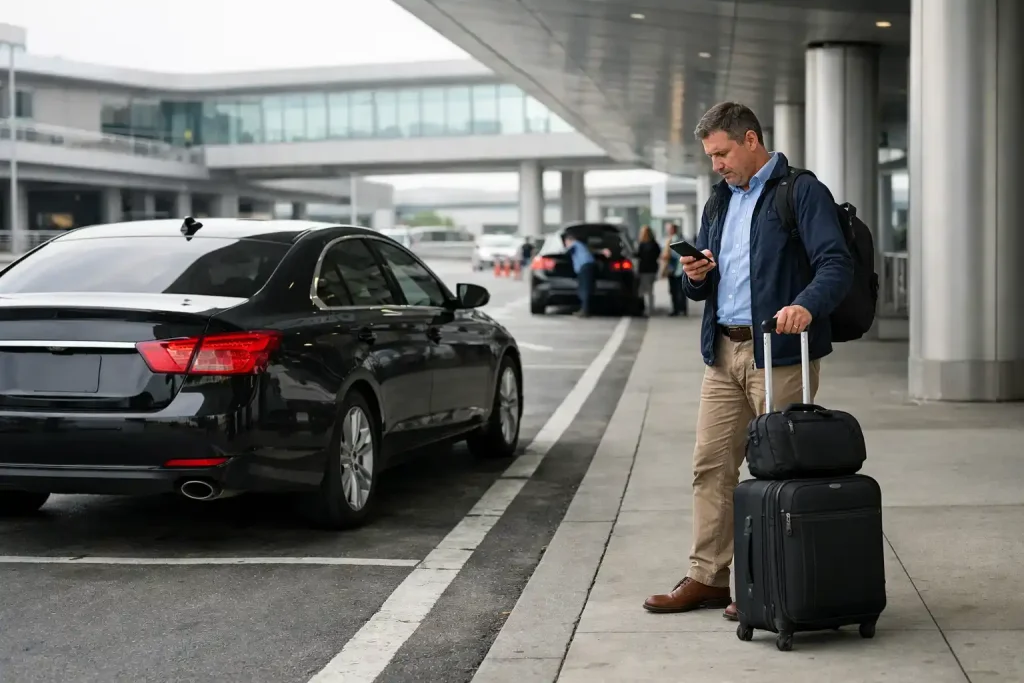
If you want Seattle transportation to feel effortless, the goal is to send the right details before the car arrives—so nobody is guessing.
Booking checklist (send this once and you’re set)
- Exact pickup address + specific meet point (front door, lobby, side entrance, etc.)
- Passenger count
- Luggage count + any oversized items (stroller, golf clubs, skis)
- Desired arrival time (especially for airport or meetings)
- Best contact number + who’s the point person
- Any special notes: extra stop, quiet ride, temperature preference, child seat request
Simple rule that prevents most bad experiences: if you’re undecided between sedan and SUV, decide based on luggage first—comfort second.
FAQ
Is a sedan enough for airport transportation?
For 1–2 travelers with standard luggage, yes. If you have multiple large suitcases or bulky gear, an SUV prevents last-minute repacking and delays.
Is Uber always cheaper in Seattle?
Not always. It can be lower at off-peak times, but surge pricing and cancellations can erase the savings quickly—especially when timing matters.
What should groups choose?
If you have 3+ passengers or everyone has bags, an SUV is usually the practical choice. It reduces loading delays and avoids the “we’ll hold it on our laps” problem.
Does an SUV beat traffic better than a sedan?
Not by speed, but by reducing delays related to loading/unloading, vehicle mismatch, and comfort trade-offs—especially for airport runs or group pickups.
How far ahead should I book?
Earlier is better for early-morning airport runs, weekends, and event-heavy days. Booking ahead improves vehicle availability and reduces uncertainty.