






Table of Contents
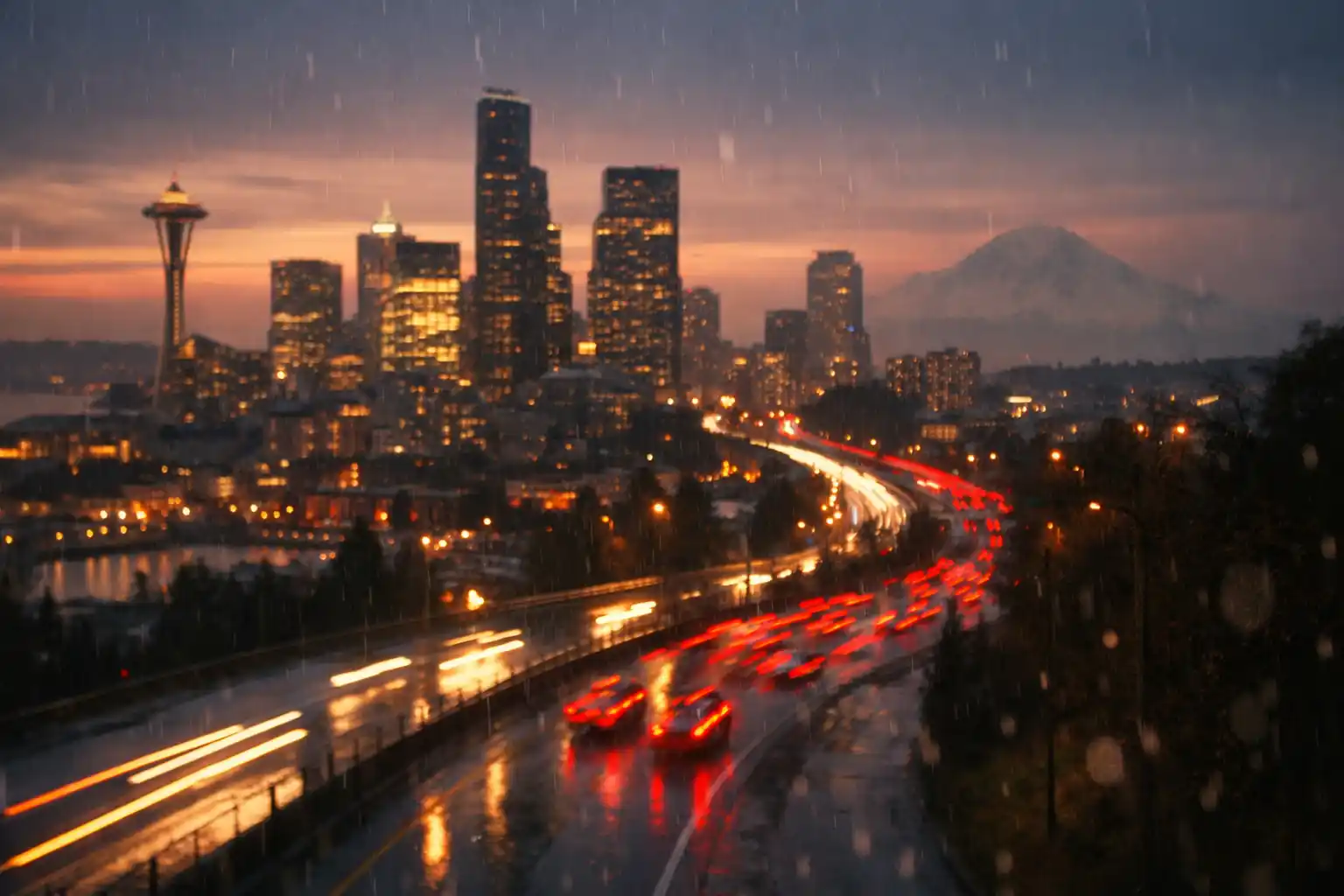
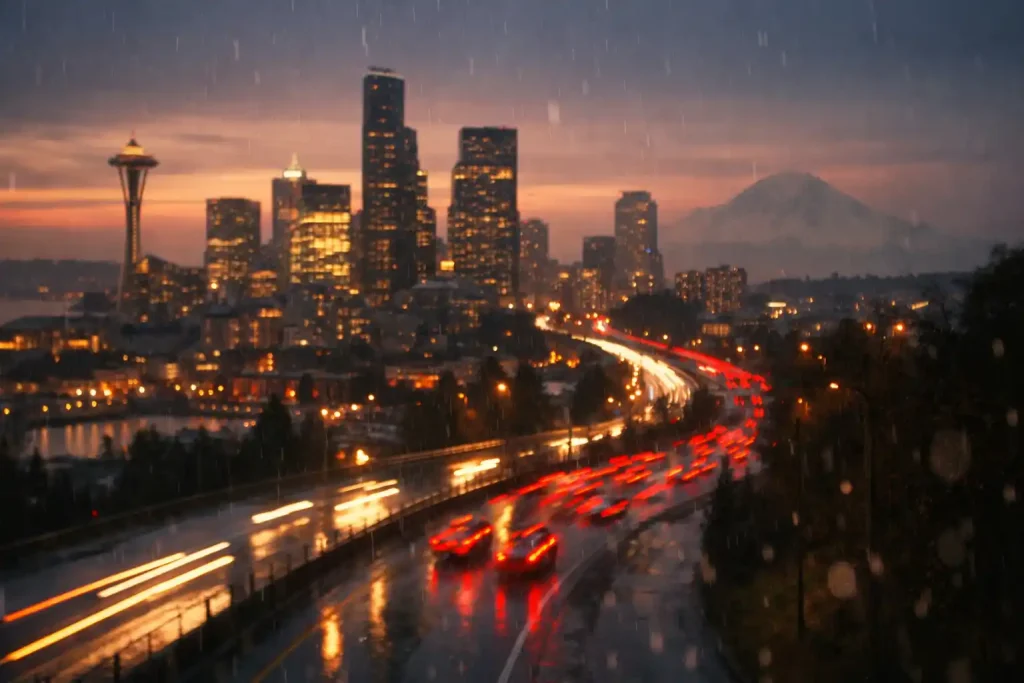
Seattle has done big event weekends before. But summer 2026 is different: the city hosts six FIFA World Cup matches (June 15, 19, 24, 26, plus knockout rounds on July 1 and July 6). That means a steady rotation of arrivals, hotel check-ins, match-day crowds, late-night exits, and “everyone needs a ride right now” moments—stacked for weeks, not just one weekend.
If you’re local, you’ll notice it in little ways first: curb lanes that feel tighter, pickup zones that shift, downtown corridors that suddenly move like syrup. If you’re visiting, it’ll feel like the city is changing rules mid-game.
Here’s what’s actually going to happen to transportation—and how to get around without donating hours to the chaos.
What “Seattle 2026” does to traffic (the real pattern)
The biggest misconception is thinking the match is the main problem. The match is just the loudest moment. The real pressure comes from three repeating waves:
- Arrival wave
People land, grab bags, and leave the airport at roughly the same time—especially the day before and the morning of a match. - Pre-match wave
Two to three hours before kickoff, everyone moves at once: hotels → downtown → stadium district. “We’ll leave later” is what everyone else says too. - Exit wave
After the final whistle, ride demand compresses into a narrow window. Phones die. Groups fragment. Pickups get rerouted. The last mile becomes the slowest mile.
If you plan around these waves, you win. If you ignore them, you end up standing on the wrong curb, watching your ETA jump like a slot machine.
The predictable choke points on high-demand days
You don’t need to memorize a map of every closure to understand why you’ll feel delayed.
SEA-TAC becomes the first bottleneck
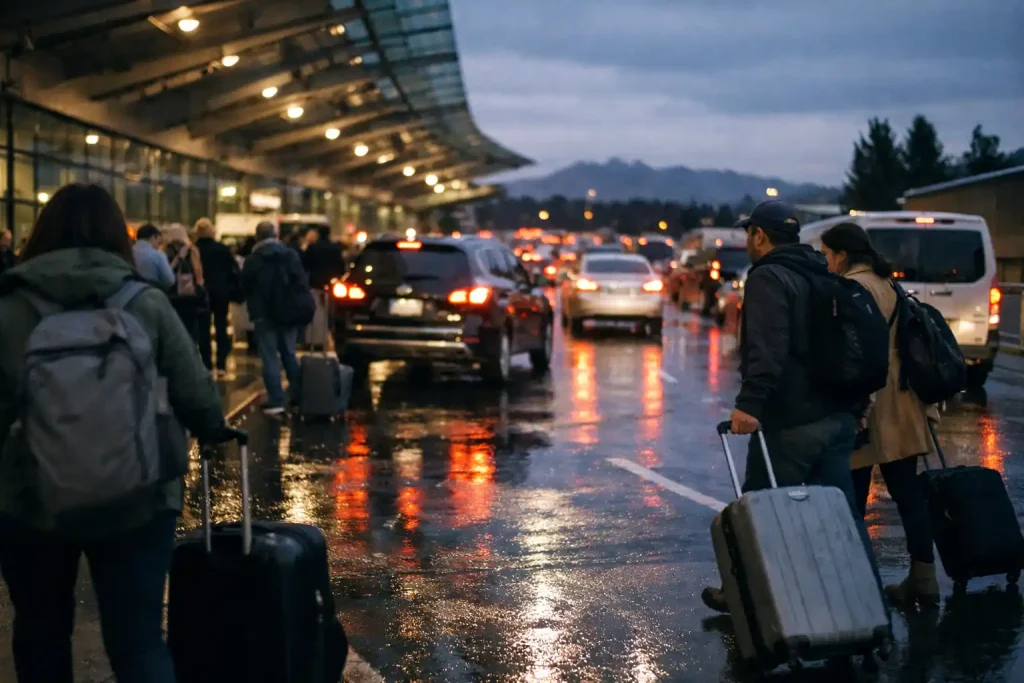
Airport curbs are simple on normal days: walk out, spot your ride, go. On peak days, that logic breaks—because curb access isn’t just “busy,” it’s managed. That means vehicles can be forced to keep moving, pickup lanes can tighten, and “I’m right outside” becomes meaningless if you’re not at the same outside.
Downtown and the stadium district compress the final approach
Even if the highway is fine, the final approach becomes unpredictable: crowd control, one-way routing, short-term restrictions, and a constant flow of pedestrians that slows everything down.
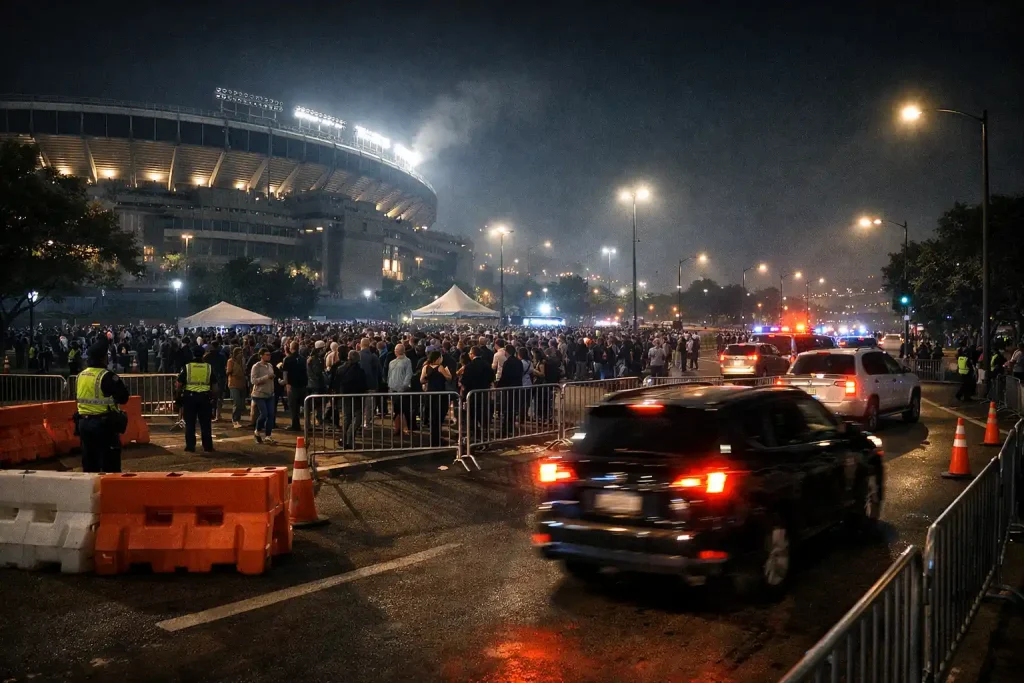
Late-night pickup is the sneaky danger zone
After a match or fan event, you’ll see the same scene over and over:
- One person says “I’m at the corner.”
- Another says “Which corner?”
- Someone is “by the entrance” (there are five).
- The driver can’t stop where the crowd is thick.
- The group starts drifting—exactly when it should be regrouping.
You don’t need more apps. You need a plan that prevents drifting.
Seven scenarios you’ll actually run into (and the fixes that work)
1) “We’ll just grab something when we land.”
Fix: Decide who is the group lead before the plane lands. One contact. One set of instructions. No ten-person text storm.
2) “We’re 8–12 people. Let’s split into rideshares.”
Fix: Splitting multiplies failure points: different wait times, different pickup rules, cancellations, and lost people. The bigger the crowd, the more group travel becomes logistics, not convenience.
3) “We’ll leave 45 minutes before kickoff.”
Fix: On match days, treat your departure like a flight: a hard time, not a vibe. Add a buffer that can survive reroutes, not a buffer that assumes perfect traffic.
4) “We’ll do photos after the match and then go.”
Fix: If photos matter, do them before the exit wave peaks—or pick a meetup plan that doesn’t require standing in the densest crowd flow.
5) “We’re traveling with kids / older family.”
Fix: Comfort beats improvisation. Build a predictable sequence: restroom → regroup → stage point → pickup. The “we’ll figure it out” approach turns into stress fast.
6) “We have a multi-stop day.”
Fix: Define wait windows up front. “We’ll be quick” is not a plan. “We have a 10-minute window and then we roll” is a plan.
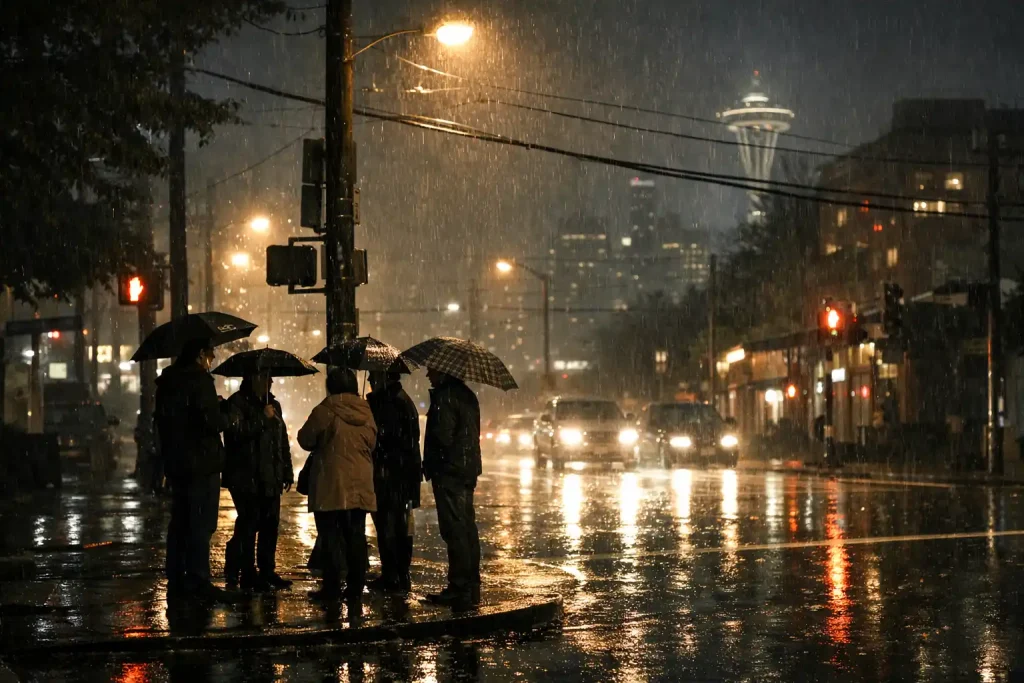
7) “Weather changes—no big deal.”
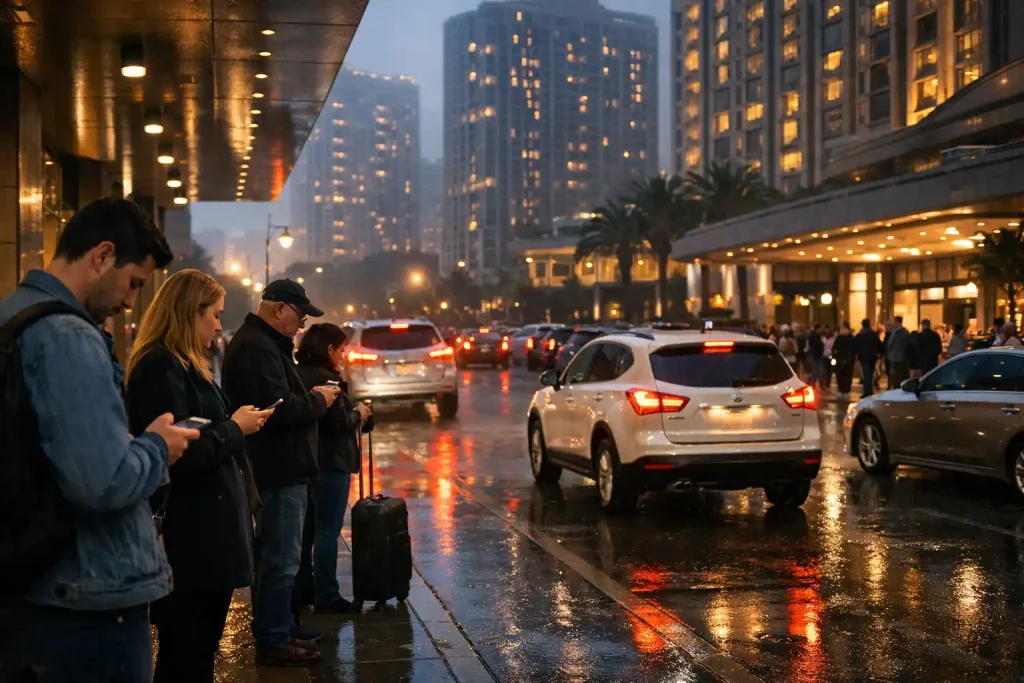
Fix: Rain increases car demand and slows everything. Your plan should include a backup meetup point that stays viable when people stop walking.
Group transportation: the fastest way to prevent chaos
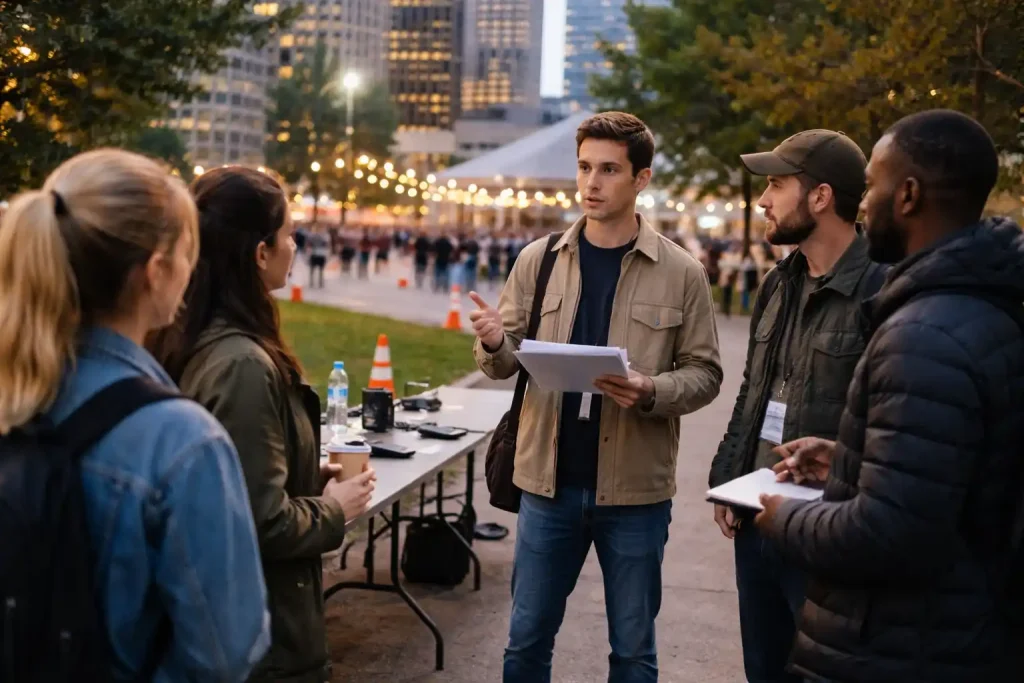
When crowds spike, the winning strategy is reducing decision points. You don’t want five mini-plans. You want one plan everyone follows.
That’s exactly what Seattle group transportation is for: one pickup strategy, for one group, without the “where are you?” spiral.
A meet-point pattern that avoids the busiest curb (no venues needed)
Use a two-step meetup:
Step 1: Stage point
A calm spot 3–5 minutes on foot from the most congested curb—well-lit, easy to describe, and hard to confuse.
Step 2: Pickup edge
A vehicle-friendly edge where a driver can briefly stop without getting trapped in the thickest traffic.
This does two things: it keeps the group together, and it gives the driver a realistic place to operate.
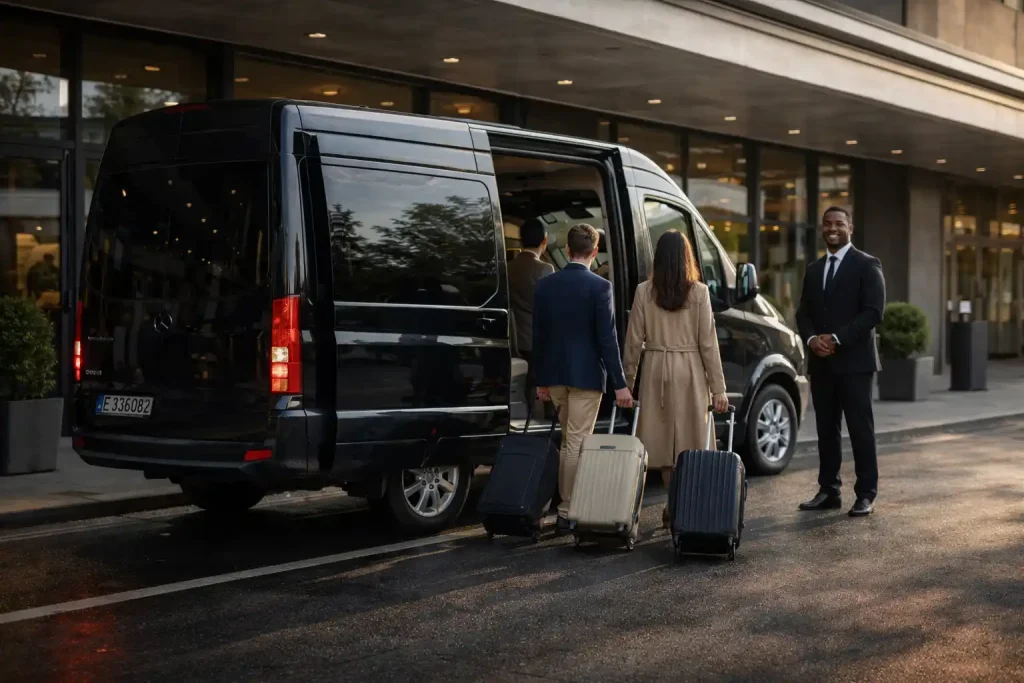
One-text meetup script (copy/paste)
“Meet at our stage point: the well-lit entrance by the public transit access on the uphill side. I’ll be wearing a red beanie. Once everyone is here, we move together to the pickup edge when I text ‘GO.’”
Short. Specific. No guessing.
Fallback plan if access is blocked
Assume access will change. Your Plan B should be automatic, not debated in real time:
- Plan B pickup: 6–8 minutes away on foot
- Trigger rule: “If we can’t reach the pickup in 5 minutes, switch to Plan B.”
- Shared phrase: “Switch to B.”
If you don’t set the trigger, you’ll waste 15 minutes negotiating while traffic gets worse.
SEA-TAC in 2026: how to land and leave without losing an hour
SEA-TAC is where most visitors meet Seattle for the first time—and in 2026, it’s where a lot of people will lose time for avoidable reasons. If your trip includes flights, Seattle to SeaTac airport transportation is the cleanest way to keep the airport leg from becoming the weak link in your day.
Arrivals: what to decide before you land
- Who is the single point of contact for the driver
- Where the group will regroup before stepping into curb confusion
- A visual identifier that actually works (jacket color, hat, backpack)
Avoid promising “two minutes.” Promise “I’ll text when I’m at the stage point.”
Pickup logic that holds up on crowded days
The simple rule: don’t wait in the most congested curb zone.
Regroup at a stage point first. Move together when the vehicle is close. Otherwise you end up with passengers in one place and a driver routed to another.
Departures: your buffer is not optional
On event days, the city doesn’t move like it normally does. If you’re flying out, build a buffer that can survive a slowdown—not a buffer that assumes your ride will arrive instantly and the road will behave.
What to expect from transit and street operations (and why it still affects you)
Even if you’re using private transportation, transit changes the shape of crowds. More event service means different concentrations of people, different crossing patterns, and different pickup bottlenecks. Translation: your ride plan should assume crowd movement, not just vehicle availability.
The “save this” booking checklist for Seattle 2026
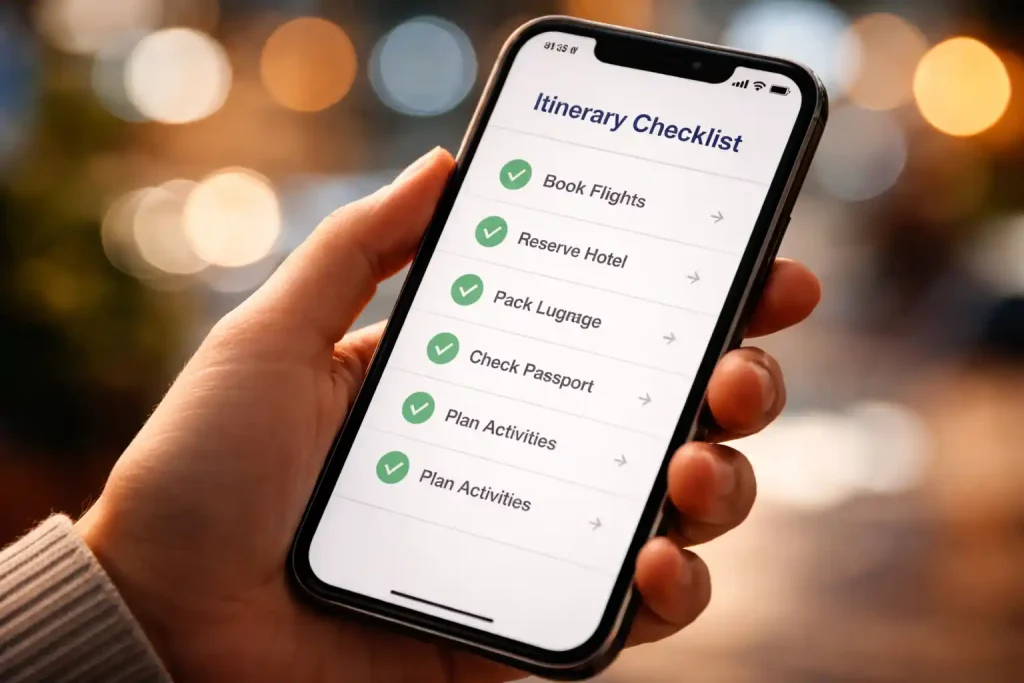
- Exact pickup address + a stage point 3–5 minutes away
- A hard departure time (not “around”)
- Your buffer rule (airport + match days = bigger than normal)
- Luggage count (this changes the vehicle math fast)
- One contact person for the driver
- Visual identifier (color/hat/jacket)
- Plan B pickup edge + the trigger to switch
- Payment/receipt plan (especially for business travel)
FAQ
How early should we schedule pickups on match days?
Earlier than feels reasonable. Match-day traffic spikes in waves, and the last mile can change without warning.
Is it better to split into multiple rides or keep the group together?
If timing matters (kickoff, reservations, airport), keeping the group together usually wins. Splitting multiplies wait times and failure points.
What’s the biggest SEA-TAC mistake people make during busy periods?
Trying to coordinate pickup in the busiest curb zone while everyone texts different instructions. Use a stage point and one point of contact.
What if the pickup area is blocked or rerouted?
That’s why Plan B matters. If you don’t define a switch trigger, you’ll burn time debating while conditions get worse.
How do we do a multi-stop day without drifting late?
Set stop rules up front: exact windows, who signals “go,” and what happens if a stop runs long.
What’s the safest way to reunite after a big event?
Pick a stage point outside the densest crowd flow, use a visual identifier, and move together only when the driver is close—not “whenever we find each other.”
Final thought
Seattle 2026 is going to be fun—and it’s going to be busy. The people who have the best experience won’t be the ones who “wing it.” They’ll be the ones who plan the meetup, protect the buffer, and keep the group moving as one unit when the city starts to surge.