






The glassblower pulled a molten orange blob from the 2,000-degree furnace, and within twelve minutes I watched it transform into a translucent jellyfish, complete with flowing tentacles. No photograph could capture the waves of heat rolling across the amphitheater or the collective intake of breath when the piece nearly slipped from his tools.
This is Tacoma’s advantage—you’re close enough to witness moments like this without planning a major expedition. Within two hours of leaving your door, you can stand in alpine meadows carpeted with wildflowers, watch master craftsmen shape fire into art, or find yourself on a harbor pier where sailboats rock gently against weathered docks. Whether you’re a Tacoma local or flying into the region for business, these destinations offer remarkable escapes from the everyday. Many visitors arrange SeaTac airport transportation directly to Tacoma as a base for exploring the Puget Sound, discovering that this city’s central location opens doors to experiences you won’t find anywhere else.
Here’s where to go when you need to escape the everyday, along with the insider knowledge that makes each trip exceptional.
Point Defiance Zoo & Aquarium: Worth the Morning Rush
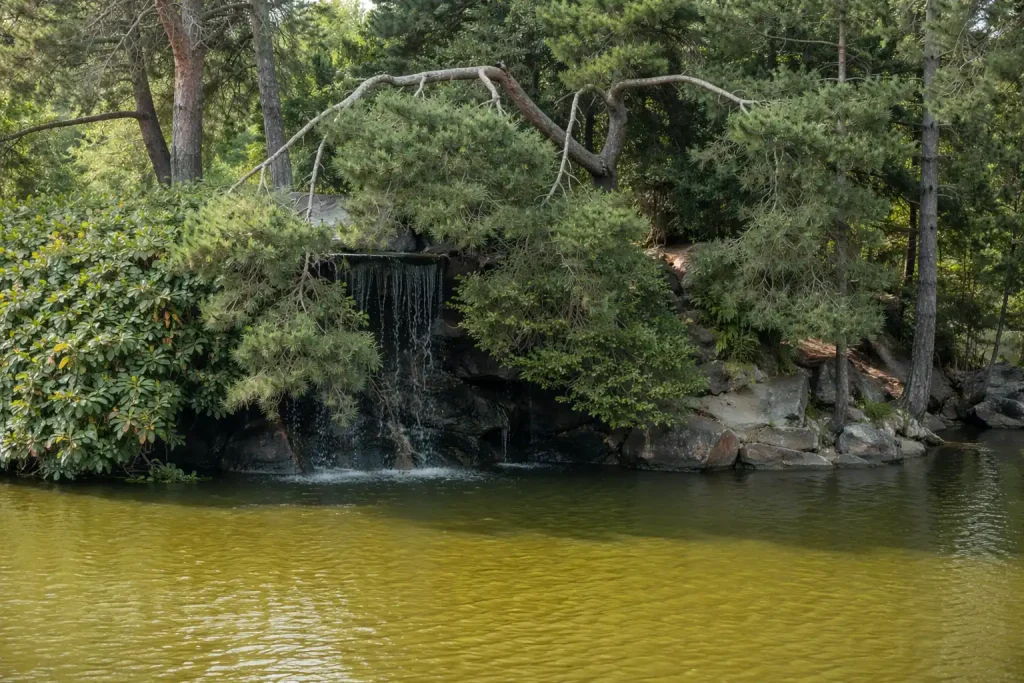
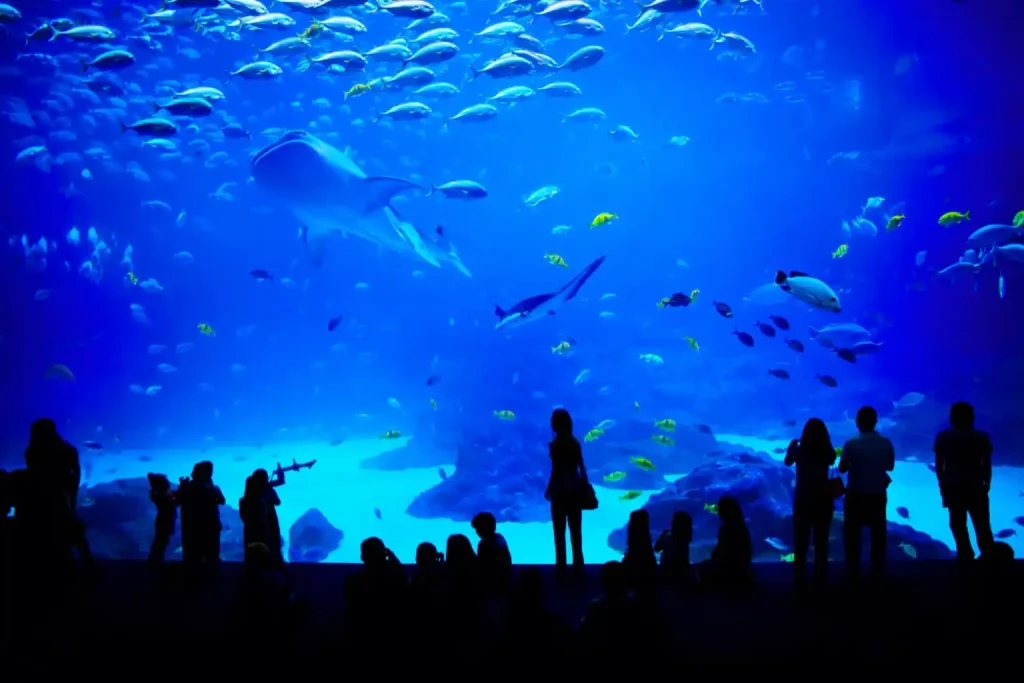
Forget everything you think you know about “just another zoo.” Point Defiance’s 29-acre grounds wind through old-growth forest, and the exhibits feel less like cages and more like you’ve stumbled into different ecosystems. The Pacific Seas Aquarium puts you face-to-face with a giant Pacific octopus—watch long enough and you’ll see it solve puzzles with unsettling intelligence.
The red wolf exhibit is the real showstopper. These critically endangered animals once roamed throughout the Southeast, and fewer than 20 remain in the wild. Point Defiance participates in the breeding program, and if you time your visit right (weekday mornings around 11 AM during feeding), you’ll see behaviors that bring textbooks to life.
The insider move: Skip the main parking lot entirely. Everyone heads there first, creating a bottleneck by 9:30 AM on weekends. Instead, arrive when the gates open at 9 AM, or better yet, plan your visit for a Tuesday or Wednesday when the crowds thin to almost nothing. The animals are more active in cooler morning temperatures anyway.
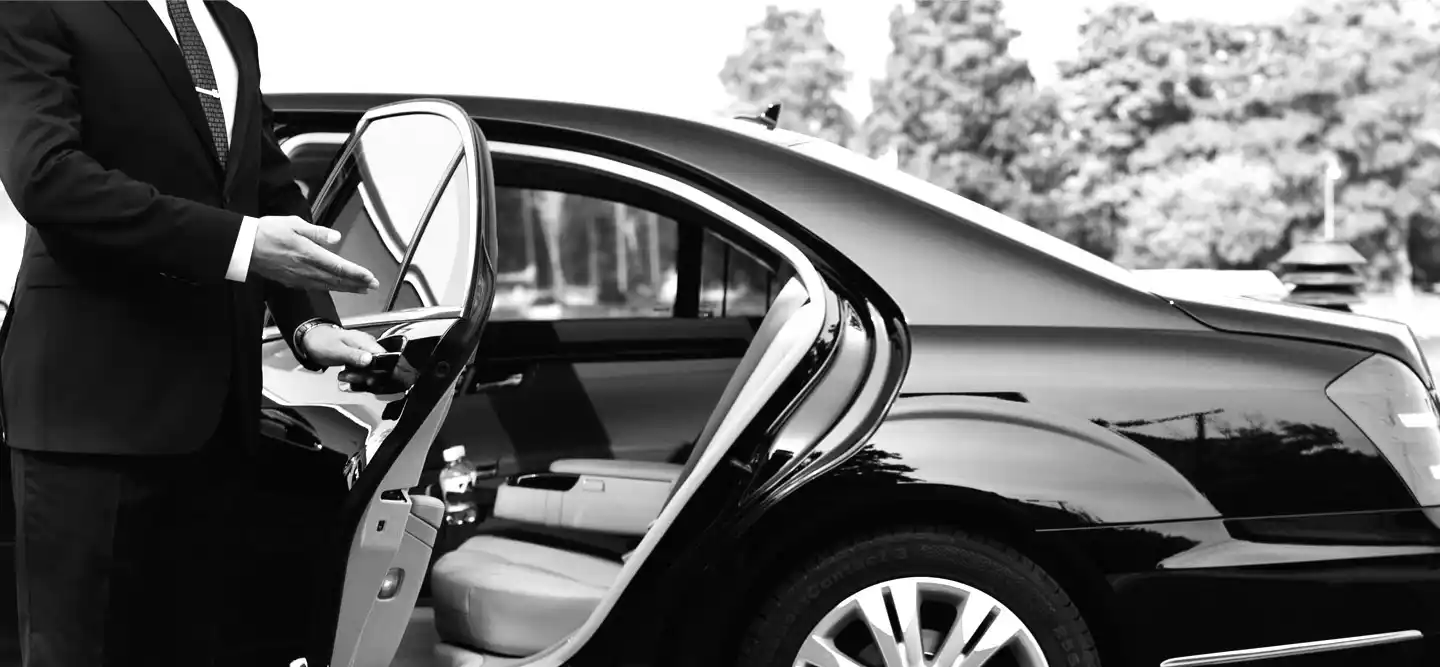
Families with young children quickly discover that navigating parking lots with strollers, diaper bags, and everything else required for a day out becomes its own expedition. Some visitors simply arrange drop-off and pickup—let someone else circle for spots while you head straight to the entry plaza.
Don’t leave without: Checking out the jellyfish in the Pacific Seas building. The lighting creates an almost hypnotic effect as they pulse through the water.
Museum of Glass: Where You Feel the Heat
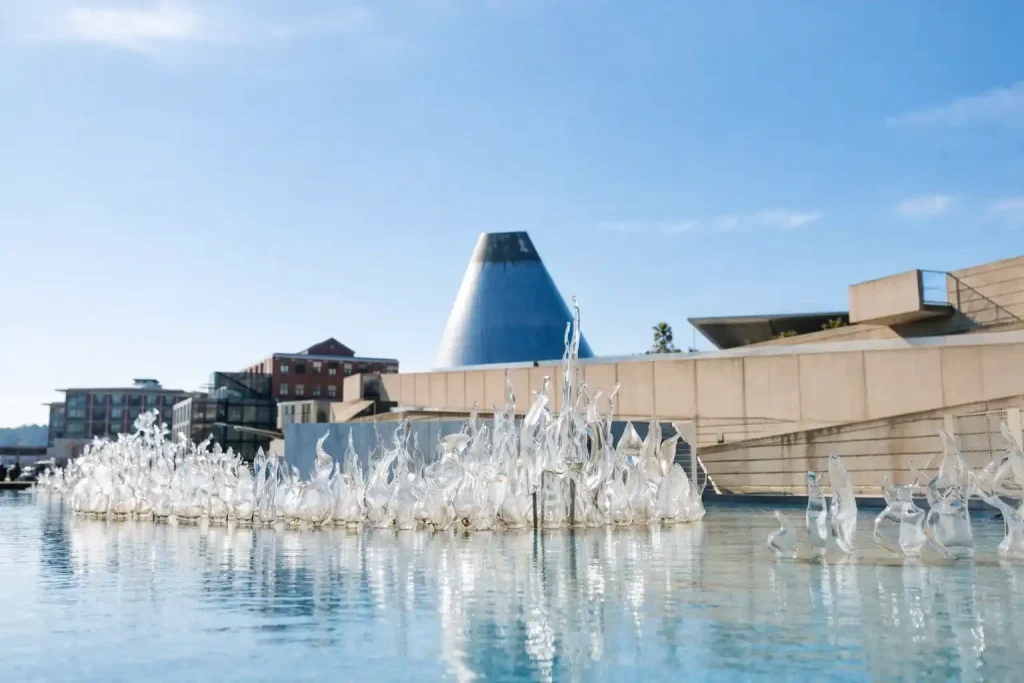
Downtown Tacoma’s Museum of Glass makes you reconsider what qualifies as art. The Hot Shop Amphitheater forms the building’s heart—a 90-foot cone where artists work with material that begins as sand and transforms into sculpture through skill, timing, and controlled violence.
Here’s what surprised me: the heat. Even sitting in the amphitheater’s back rows, you feel waves of warmth rolling from the glory hole (the reheating furnace). The artists move in choreographed patterns, spinning pipes, shaping glass with wet newspaper, making split-second decisions because once glass cools below working temperature, that’s it. Start over.
The demonstration pieces change constantly. One morning’s delicate bird becomes afternoon’s abstract bowl. Artists work without nets—occasionally pieces shatter, returning immediately to raw material. That risk, that immediacy, makes this feel alive in ways traditional museums rarely achieve.
Timing matters: The Hot Shop runs demonstrations most days, but schedules vary. Wednesday through Sunday typically sees the most activity. Call ahead or check their website—watching the process beats viewing finished pieces by a mile.
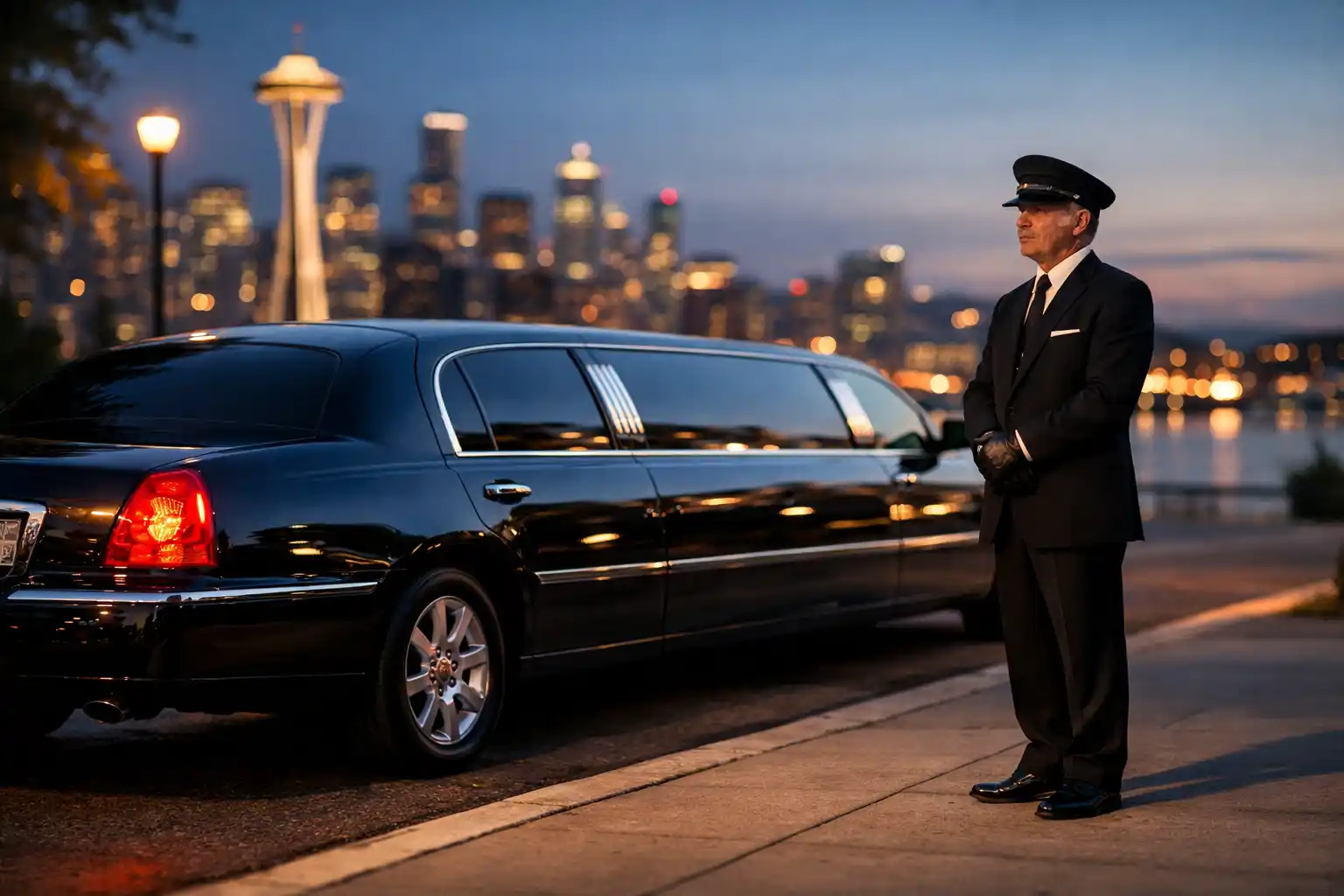
The museum sits downtown where parking runs $12-15 for the day, and the waterfront restaurants within walking distance (Asado for steak, Indochine for Vietnamese) mean you’ll want flexibility moving between venues. A chauffeur service in Seattle and Tacoma makes downtown navigation seamless—your driver knows exactly where to drop off and pick up while you debate whether to try that new cocktail spot on Pacific Avenue.
Pro tip: The Museum Store sells work by Pacific Northwest glass artists at prices well below gallery rates. If something catches your eye, buy it—pieces sell out quickly.
Gig Harbor: When You Need Salt Air
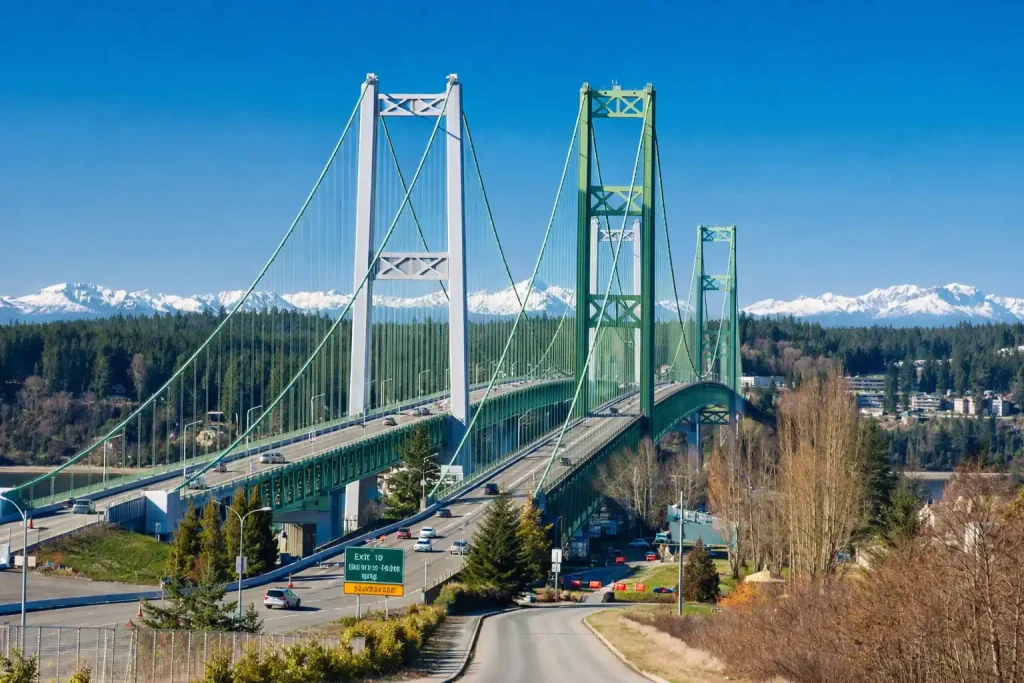
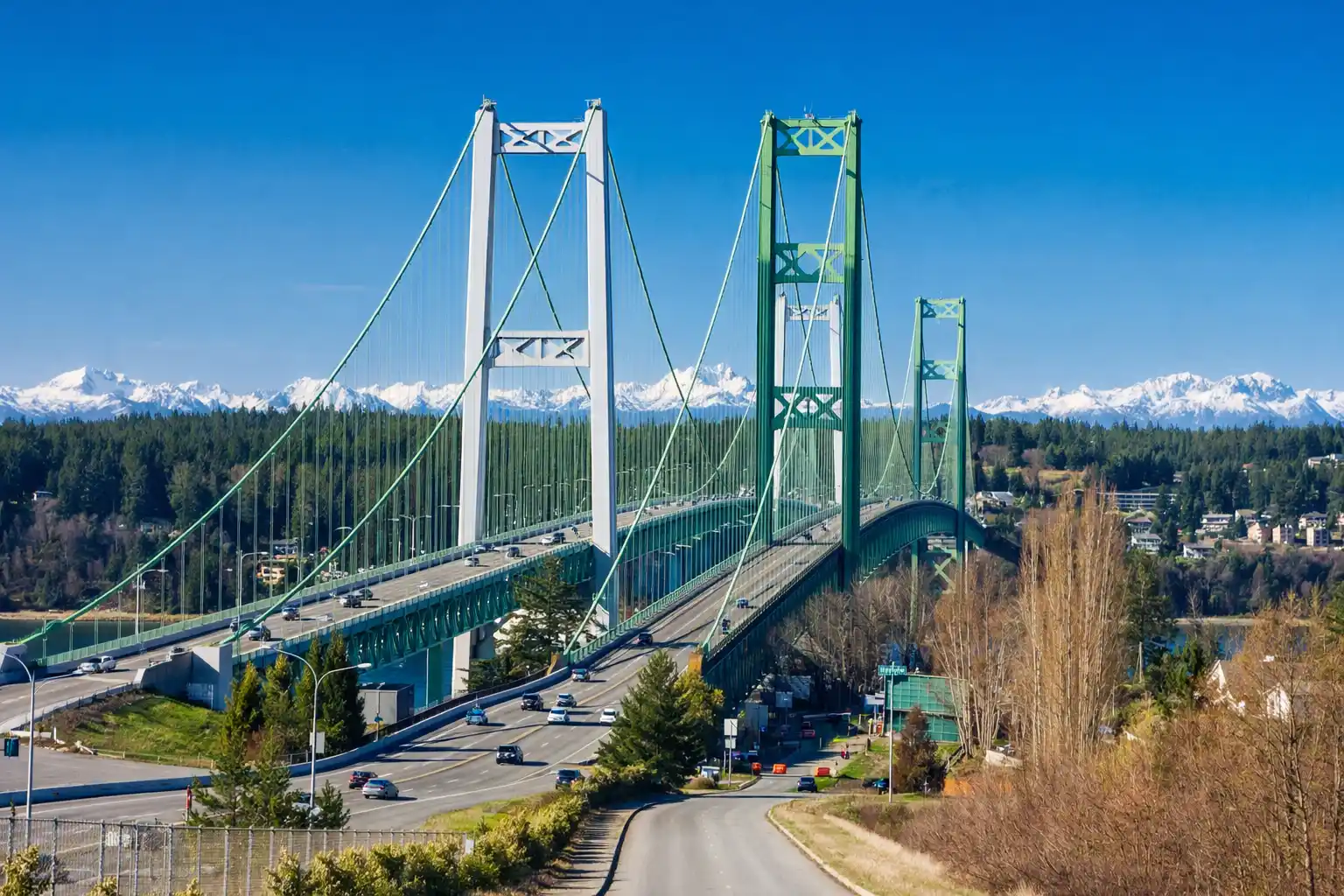
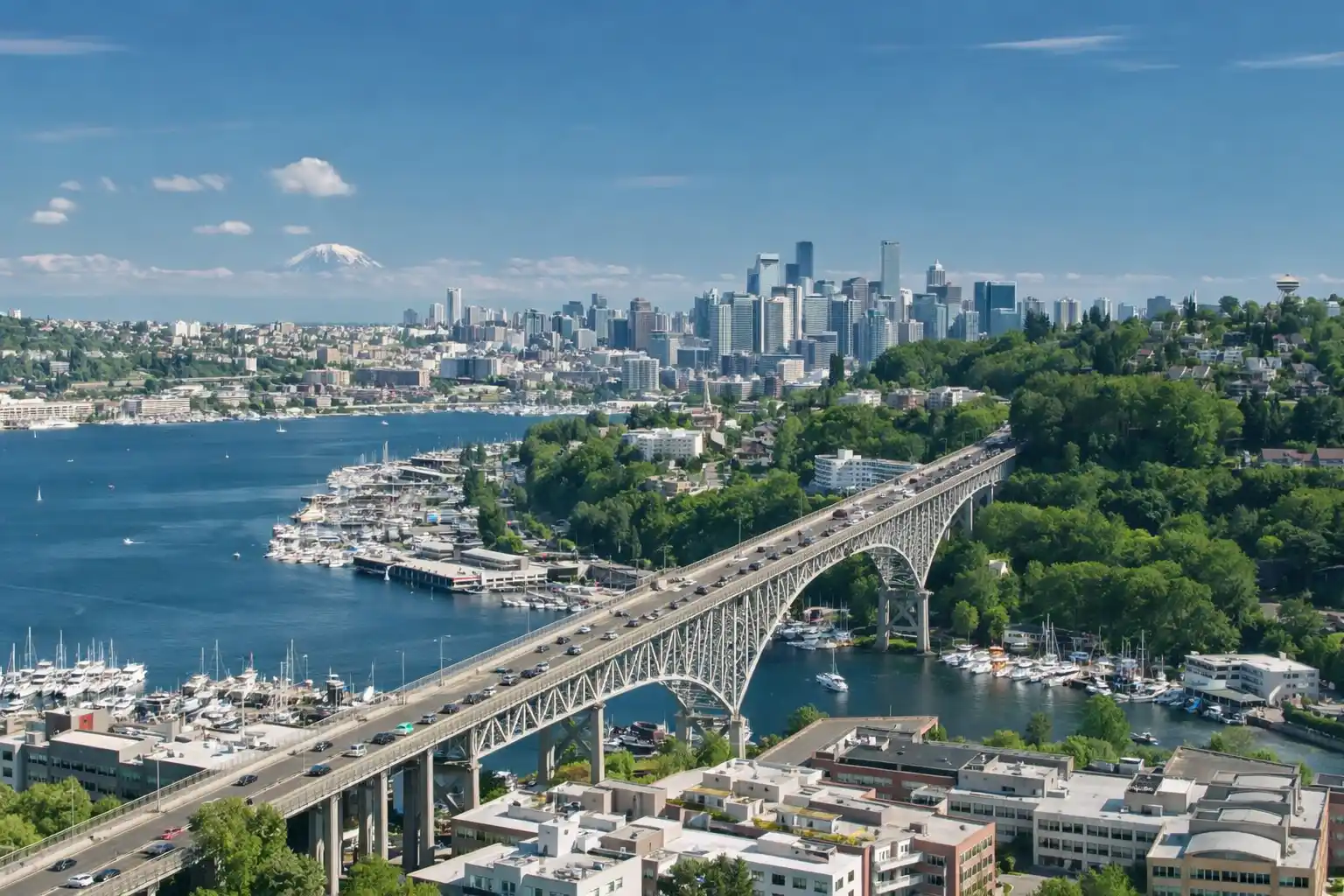
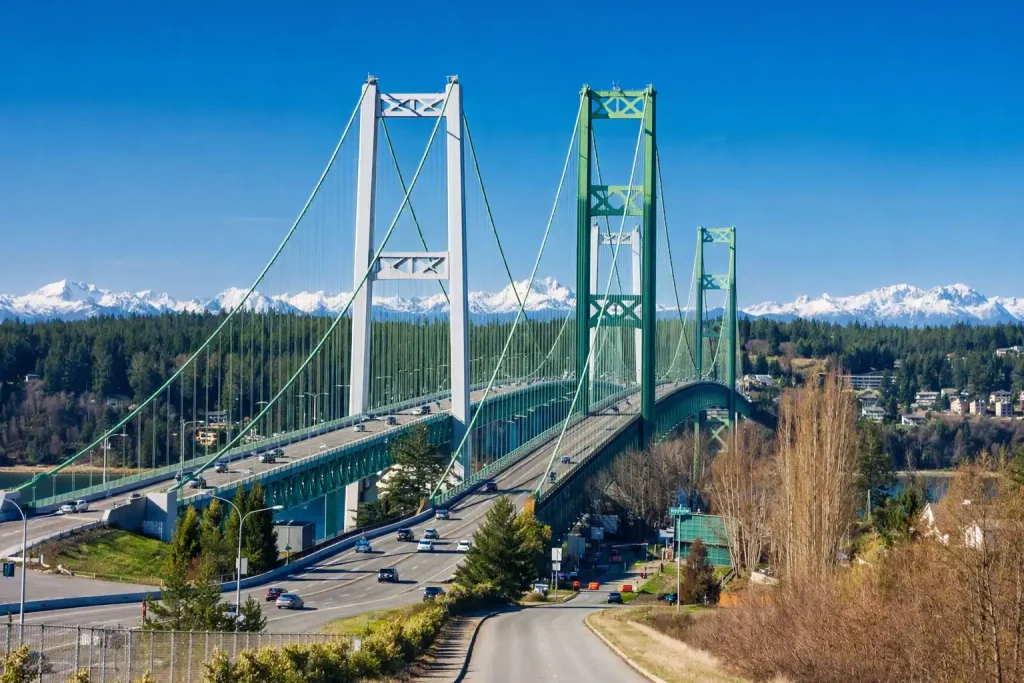
Cross the Tacoma Narrows Bridge on a clear day and you understand why people fight traffic to live in Gig Harbor. The water shifts from steel gray to brilliant blue depending on cloud cover, and the bridge towers rise like modern monuments above the strait where strong currents carved the channel.
The harbor itself remains working water—sailboats, fishing vessels, and pleasure craft share the bay while the downtown waterfront crowds with shops and galleries. This isn’t artificially quaint; Gig Harbor earned its character through decades as an actual fishing village, and enough of that practical spirit survives beneath the boutique veneer.
Eat here: The Green House (locals call it “the GH”) doesn’t look like much from outside, but they’ve been serving Dungeness crab and blackened salmon since before farm-to-table became trendy. Sit on the deck if weather permits. If the wait exceeds 30 minutes, walk over to Devoted Kiss Café for surprisingly excellent espresso and watch boats navigate the narrow harbor entrance.
The walking route: Start at Skansie Brothers Park, follow the waterfront path along Harborview Drive, then loop back through downtown on Judson Street. Total distance: about two miles. You’ll pass working docks where commercial fishermen still tie up alongside recreational boats.
Street parking downtown maxes out at two hours, which feels restrictive when you’re browsing galleries and considering a waterfront lunch. Many visitors find that hourly town car service solves this elegantly—your driver waits while you explore, or returns at a set time, eliminating the parking meter countdown entirely. The bridge toll ($6.25 westbound) adds another layer of logistics that simply disappears when someone else handles the details.
Hidden find: Gig Harbor Brewing Company operates a taproom downtown with a rotation of beers you won’t find in Seattle. The Riptide Red remains their flagship for good reason.
Mount Rainier: When You Need Perspective
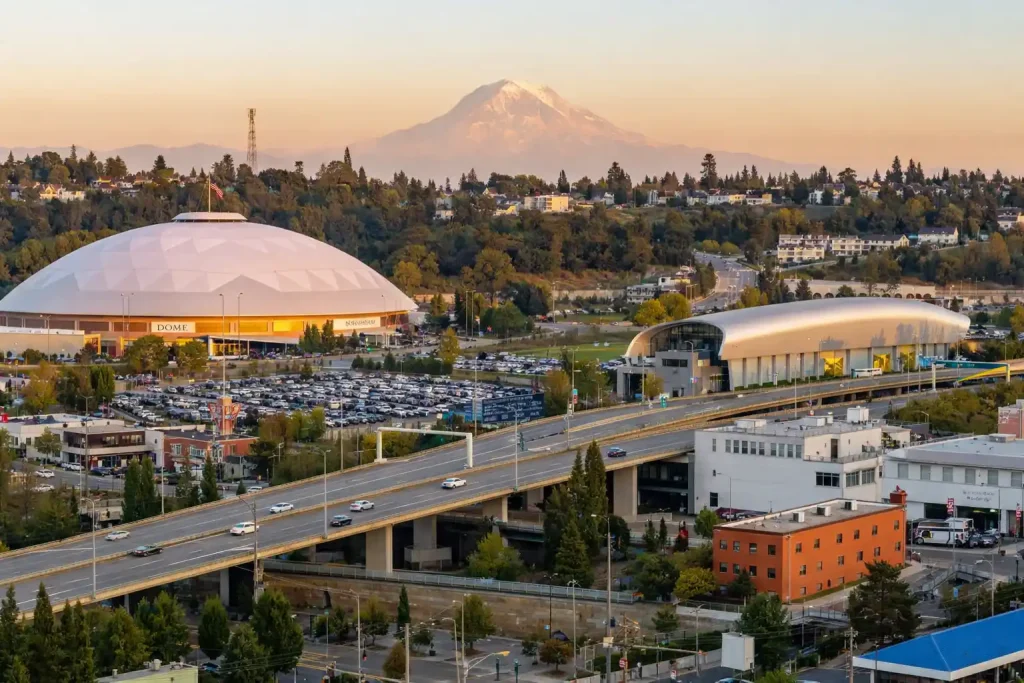
There’s something about driving toward Mount Rainier that reframes your sense of scale. The mountain dominates your windshield for the last 30 miles, and yet you’re still nowhere close. Indigenous peoples called it Tahoma—”the mountain that was God”—and after you stand at Paradise and look up at that snow-covered mass rising another 9,000 feet above you, the name makes perfect sense.
Paradise sits at 5,400 feet, meaning you’ve already climbed higher than most peaks in the Cascades just by driving there. In late July and August, the subalpine meadows explode with wildflowers—lupine, paintbrass, avalanche lilies creating color combinations that seem too vivid to be real. The Skyline Trail gains another 1,700 feet over 5.5 miles, putting you high enough to look down on clouds.
What they don’t tell you: The temperature drops roughly 3 degrees for every 1,000 feet you climb. Tacoma might hit 75 degrees while Paradise struggles to reach 50. Bring layers—seriously. I’ve watched tourists in shorts and t-shirts shivering at the visitor center while locals in fleece smile knowingly.
The drive demands attention. Highway 706 winds through old-growth forest before switchbacking up the mountain, with RVs crawling along and limited passing zones. Winter requires chains November through May. Even in summer, weather changes without warning—clear skies can disappear into fog within minutes.
After a day hiking at elevation, those same winding mountain roads back to Tacoma appeal to exactly no one. Your legs are tired, altitude has given you a mild headache, and the thought of navigating switchbacks sounds exhausting. This is when letting someone else handle the drive transforms the experience entirely. Relax, process the day, review photos while someone else manages the mountain descent.
The move: Pack more water than seems reasonable and start hiking before 10 AM. The main parking area fills by mid-morning on sunny summer weekends, forcing late arrivals to park at Narada Falls (two miles below) and hike up to Paradise or wait for shuttle buses.
Don’t miss: If you only do one hike, make it the Skyline Trail to Panorama Point. Yes, it’s steep. Yes, it’s worth it.
Crystal Mountain: The View Everyone Forgets About
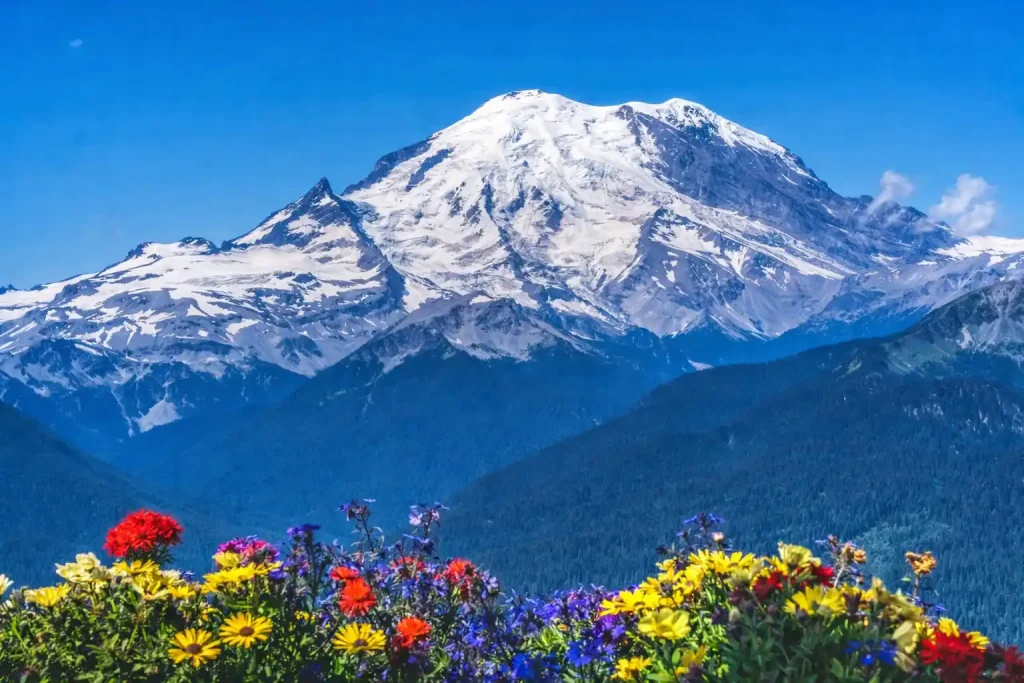
Most people know Crystal Mountain as Washington’s largest ski resort, but the summer gondola ride deserves equal attention. The Summit House restaurant sits at 6,872 feet—higher than Paradise—with floor-to-ceiling windows facing Mount Rainier’s north face just 13 miles away.
The gondola climb takes 10 minutes, rising 2,500 vertical feet through forest that transitions from fir to subalpine parkland. Mountain biking trails crisscross the slopes, and hikers can access several high-country routes directly from the summit.
Reality check: The drive takes two hours from Tacoma via Highway 410 through Enumclaw. Cell service disappears about 30 minutes before arrival. The final approach climbs steadily on narrow mountain roads shared with logging trucks. It’s beautiful, but it’s also remote.
For groups planning a full day—morning gondola, Summit House lunch, afternoon hiking—the logistics get simpler when someone else handles navigation and timing. You set departure and return times, they manage the details, and you focus on enjoying alpine air and ridiculous views.
Summer schedule: The Mt. Rainier Gondola operates weekends and holidays from late June through early September. Bring a jacket—summit temperatures run 15-20 degrees cooler than the base even in August.
The Transport Reality
Here’s the pattern: every destination involves either parking challenges, mountain driving, or both. Point Defiance’s lots fill early on weekends. Downtown Tacoma charges $12-15 for museum parking. Gig Harbor has metered two-hour limits. Mount Rainier requires navigating mountain switchbacks for 90 minutes each way. Crystal Mountain sits two hours out with spotty cell coverage.
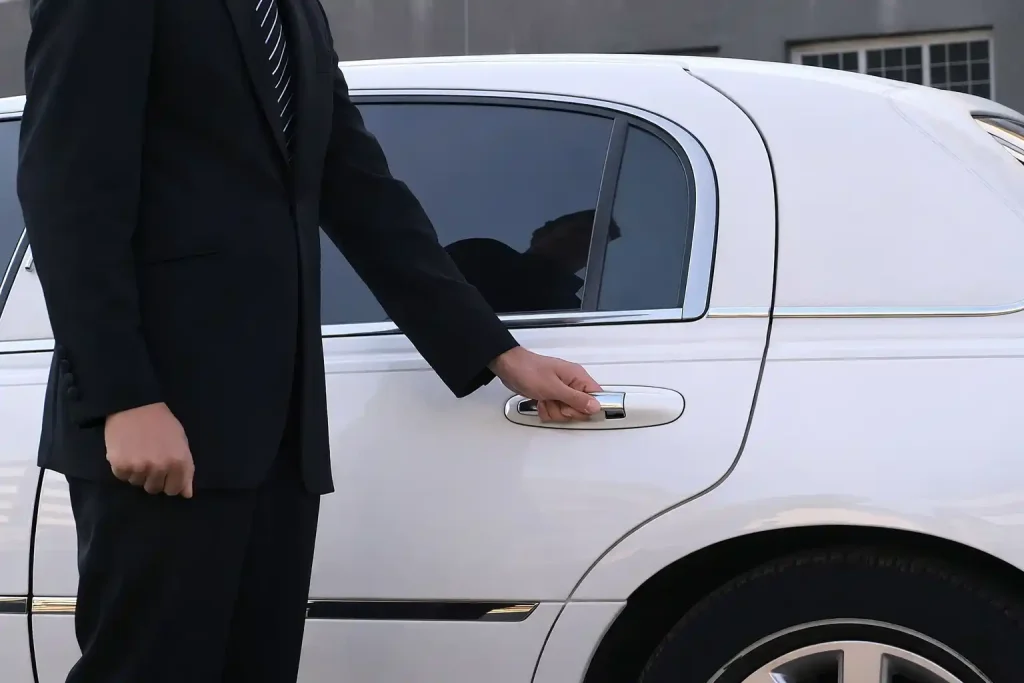
You can absolutely drive yourself to all these places—thousands do daily. But if you’re planning a special day, or you’ve got elderly relatives, or your group includes young kids, or frankly no one wants driving duty, a Tacoma town car service shifts the entire experience. You set times, they handle logistics, and parking stress or mountain navigation simply disappears from your day.
The cost often runs comparable to parking fees, bridge tolls, and fuel combined, especially for Mount Rainier or Crystal Mountain where gas for a larger vehicle adds up. Factor in comfort and convenience—reviewing photos or sipping coffee while someone else manages traffic—and the math tips further.
Your Next Saturday Starts Here
Tacoma’s location creates an embarrassment of riches. Urban culture, coastal charm, alpine wilderness—you’ll find compelling destinations in every direction, all within reasonable driving distance. The hardest part is choosing which adventure to tackle first.
Check your destination’s seasonal considerations before committing. Mount Rainier and Crystal Mountain have variable access depending on weather. Museums often see lighter crowds Tuesday through Wednesday but may have reduced hours.
For multiple stops (perhaps Gig Harbor lunch followed by Point Defiance), coordinate timing carefully to maximize each experience without feeling rushed.
The destinations are waiting. The only question is which one pulls strongest.