





The waterfall appears first as sound—a low rumble that builds as you approach the viewing platform. Then you see it: 268 feet of water dropping in a single plunge, sending mist into the air that catches afternoon light and creates rainbows against the rock face. People go quiet when they first see Snoqualmie Falls. The scale demands it.
This is Renton’s quiet advantage. You’re not in the geographic center of anything, but you’re close to everything that matters. Forty minutes puts you in front of that waterfall. Twenty minutes lands you in wine country with over a hundred tasting rooms. Fifteen minutes gets you to the airport for early morning flights. Renton doesn’t demand attention the way Seattle or Bellevue do, but residents know the truth—this location unlocks the entire region without the traffic chaos or downtown parking fees.
Here’s where to go when you need to leave the everyday behind, plus the details that separate good trips from exceptional ones.
Snoqualmie Falls & North Bend: Where Mountains Meet Mythology
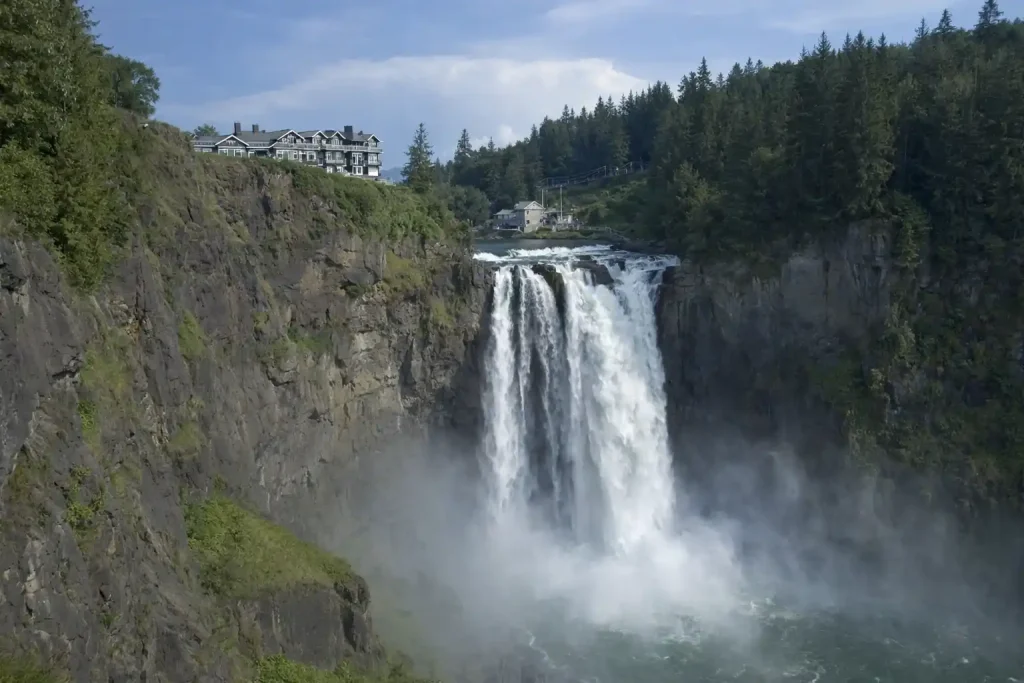
Snoqualmie Falls sits sacred to the Snoqualmie people, and standing at the overlook you understand why. The Snoqualmie River gathers force through miles of mountain terrain, then launches itself off a cliff face in one continuous sheet. The observation deck gives you the overview, but the lower trail—steep, slippery when wet, worth every careful step—brings you to the base where spray soaks your jacket and the roar drowns out conversation.
Twin Peaks fans make pilgrimages here. The show filmed extensively around Snoqualmie and North Bend, and local businesses lean into the connection without making it cheesy. Twede’s Cafe in North Bend still serves “damn fine coffee” and cherry pie, though the coffee is honestly just okay and the pie runs inconsistent depending on who’s baking that day.
North Bend itself feels like it’s still deciding what it wants to be—outdoor recreation hub or quiet mountain town with Seattle money flowing in. The downtown stretches maybe four blocks, but you’ll find solid pizza at North Bend Bar & Grill, surprisingly good Thai at Boxley’s, and the Premium Outlets if shopping appeals more than hiking.
The real draw: Rattlesnake Ledge Trail starts just past the falls. Four miles round trip, 1,160 feet of elevation gain, and views at the top that span from Seattle to the Cascade peaks. Start early on weekends—the tiny parking lot fills by 8 AM and overflow parking means walking an extra mile before you even start climbing.
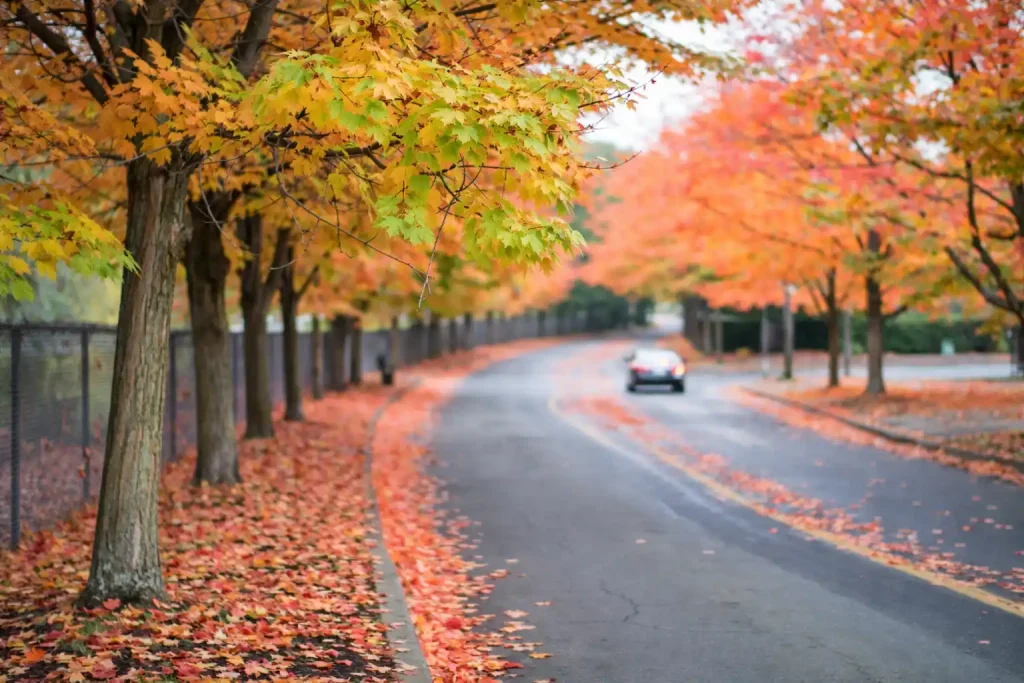
The drive out follows I-90 through increasingly dramatic scenery. Mountains press closer, trees grow taller, and you watch the landscape shift from suburban to alpine in less than an hour. Coming back in late afternoon, especially in autumn when maple leaves turn orange against evergreen backdrop, the light hits different.
Don’t miss: Stop at the Snoqualmie Falls Lodge on the way back. The viewing deck faces west, making sunset the ideal time. Order something from the restaurant if you want to linger—the food is overpriced but competent, and the deck access feels worth it.
Woodinville Wine Country: Napa North
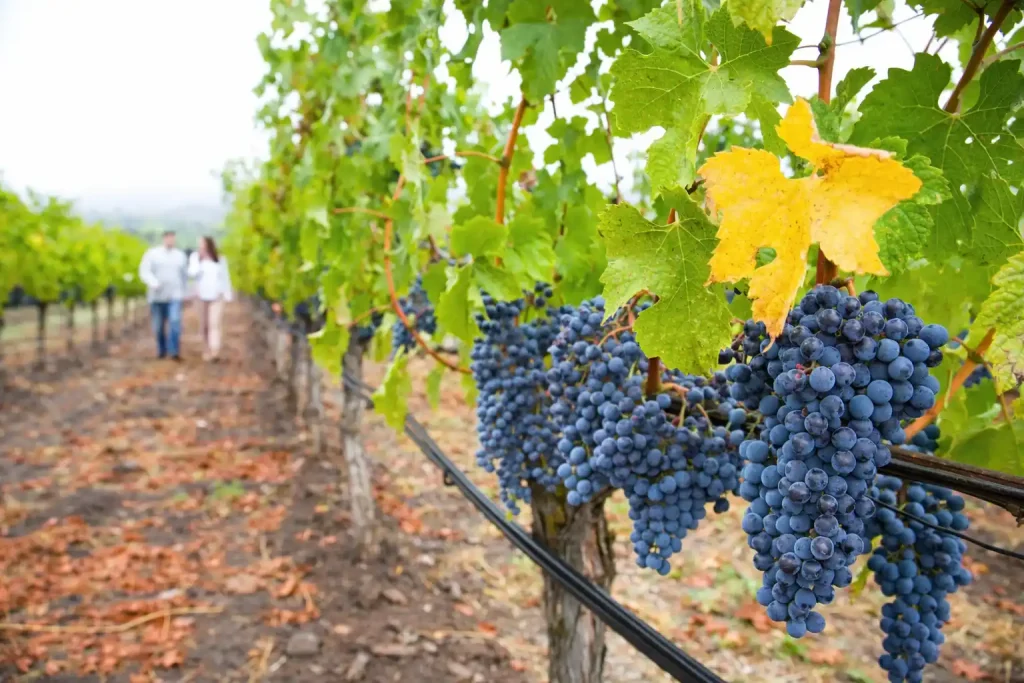
Over a hundred wineries and tasting rooms cluster within a few square miles of Woodinville, which seems improbable until you taste what Washington’s Columbia Valley grapes become in skilled hands. This isn’t Napa—the vibe runs more accessible, less pretentious, though quality matches or exceeds what you’d find in California at twice the price.
Chateau Ste Michelle anchors the area with 87 acres of estate grounds. The property feels more like a French chateau than a Washington winery, complete with formal gardens and an amphitheater that hosts summer concerts. Their tours run efficiently and the tasting room pours generous samples, but the real discoveries happen at smaller operations.
DeLille Cellars makes Bordeaux-style blends that win international competitions. Their Chaleur Estate Blanc—a white blend of Sauvignon Blanc and Semillon—tastes like summer in a glass, with stone fruit and citrus notes that justify the $45 price tag. Matthews Winery focuses exclusively on red blends, and their Columbia Valley Merlot challenges every preconception about what Merlot can achieve.
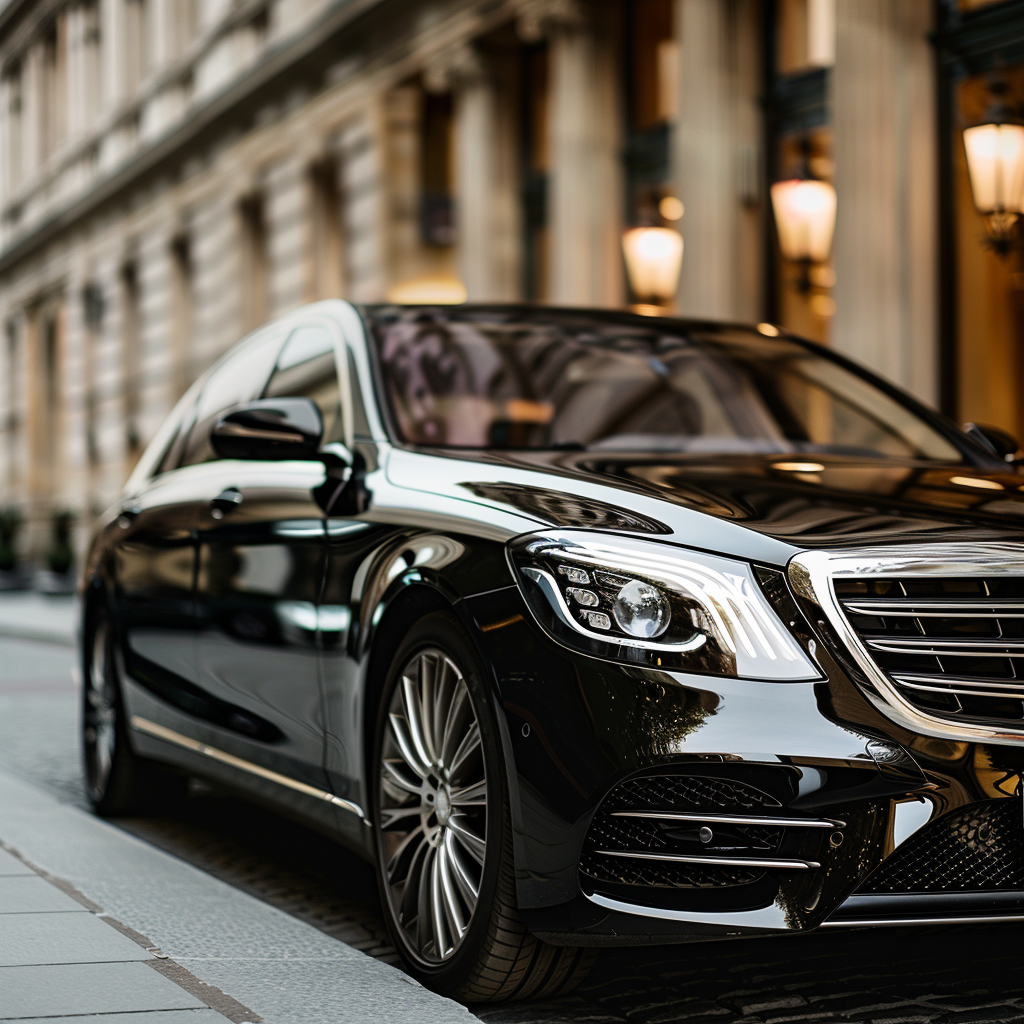
Here’s what nobody tells you: the tasting rooms are concentrated but not walkable. You’ll drive between stops, which creates the obvious problem. This is where wine tour transportation stops being luxury and becomes necessity. Your driver navigates between wineries while your group actually enjoys the tastings without calculating blood alcohol levels or arguing about who drives home.
Insider strategy: Book reservations at 2-3 wineries maximum. Rushing through six tasting rooms in four hours means you remember nothing except feeling vaguely tipsy. Two thoughtful visits with time to talk to pourers, learn about wine, and actually taste rather than gulp beats six rushed stops every time.
Food pairing: Purple Cafe and Wine Bar sits in the Warehouse District with 80 wines by the glass and a menu built around what pairs well with wine. The duck confit flatbread and charcuterie boards hit perfectly between tasting appointments.
Bellevue: When You Need Urban Polish
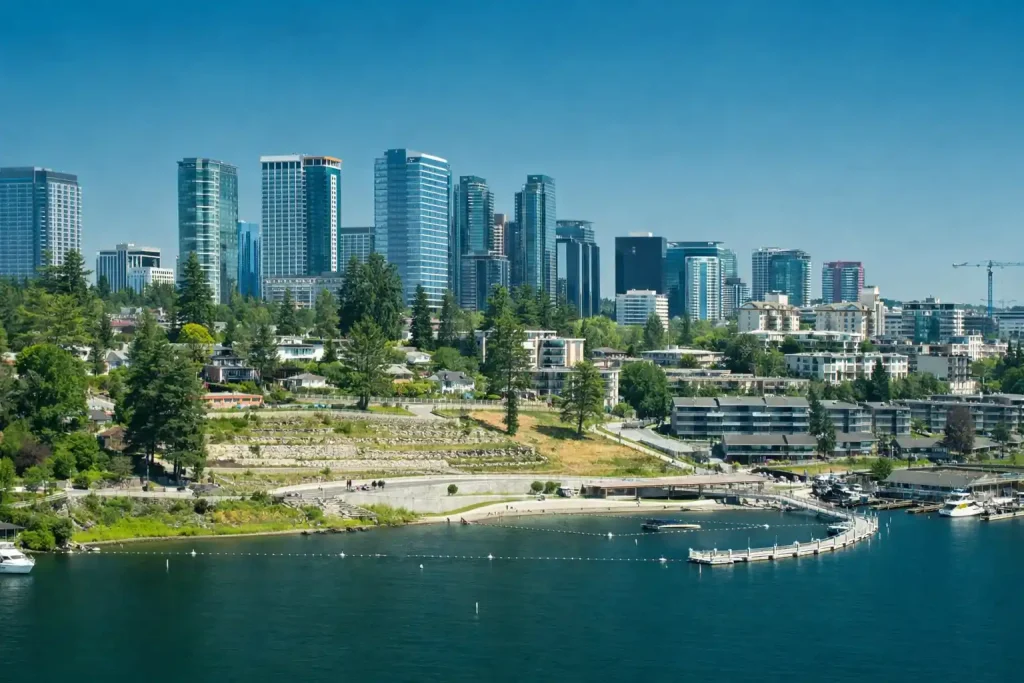
Bellevue gets dismissed as sterile, a city of tech money and glass towers without soul. There’s truth there, but also unfairness. Downtown Bellevue delivers when you want clean streets, reliable restaurants, and shopping that doesn’t involve navigating Seattle’s chaos.
Bellevue Square and Lincoln Square house every major retailer you’d expect, plus some you wouldn’t. The Apple Store here consistently wins awards for design. Nordstrom’s flagship location offers the full department store experience increasingly rare elsewhere. But more interesting finds hide in the surrounding blocks—Paper Hammer for stationery that makes you want to write actual letters, Fireside for home goods that look expensive but price reasonably.
Downtown Park provides unexpected tranquility amid the urban density. The park’s centerpiece is a waterfall and reflecting pond surrounded by perfectly maintained gardens. Japanese design influence shows in the careful placement of every element—nothing accidental, everything intentional. Early mornings see tai chi practitioners moving through forms while downtown workers grab coffee before office hours begin.
Eat here: Din Tai Fung in Lincoln Square serves xiao long bao (soup dumplings) worth the inevitable wait. Watch through the glass as dumpling makers fold each one with mechanical precision—exactly 18 pleats per dumpling, filled with pork and hot broth that burns your tongue if you’re impatient. Seastar Restaurant & Raw Bar does Pacific Northwest seafood at the level you’d expect from a John Howie restaurant, meaning impeccable.
Meydenbauer Bay Park offers waterfront access on Lake Washington’s eastern shore. The small beach gets crowded summer weekends, but the walking path extends for miles in both directions, connecting to the regional trail system that eventually reaches Seattle.
Reality check: Parking downtown runs $3-5 per hour in garages, and street parking vanishes quickly. The restaurants clustered around Bellevue Way make it tempting to move between venues for drinks, dinner, dessert—exactly when having someone else handle logistics eliminates the parking shuffle entirely.
Seattle Center & Pike Place: The Tourist Classics
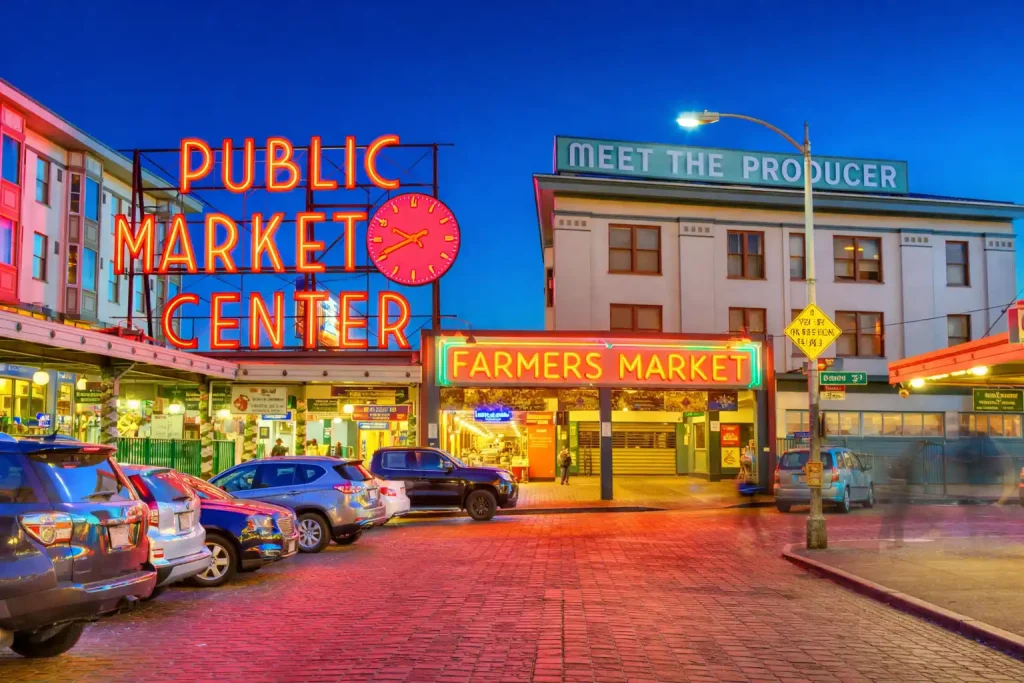
Everyone knows Space Needle, Pike Place Market, and the waterfront. These places make every Seattle guidebook for good reason—they deliver what they promise, even if crowds and prices test patience.
Pike Place Market opens at 9 AM, and arriving then means you actually see fishmongers throwing salmon without pushing through tourist bottlenecks. The original Starbucks location three blocks south of the main arcade is genuinely the first one, though the current location moved slightly from the 1971 original. The line stays long because people want photos, not because the coffee surpasses other Starbucks locations.
Better finds exist deeper in the market: Beecher’s Handmade Cheese makes their flagship cheese in windows facing the main corridor—watching curds transform into wheels of sharp cheddar beats another salmon toss. Piroshky Piroshky bakes Russian pastries that sell out by noon. Get the beef and cheese or the smoked salmon—both justify waiting in line.
The waterfront underwent major reconstruction recently, replacing the old seawall and viaduct with a more walkable park system. The Seattle Aquarium remains worth visiting despite being smaller than major facilities elsewhere. The giant Pacific octopus tank never gets old, and the touch pools let you feel sea anemones closing around your fingers.
Space Needle tickets cost $35-40 per person now, and honestly, Columbia Center’s observation deck offers better views for $25. But the Needle’s rotating glass floor and outdoor deck create experiences Columbia Center can’t match. If you’re doing it, book sunset tickets and watch the city lights emerge as daylight fades.
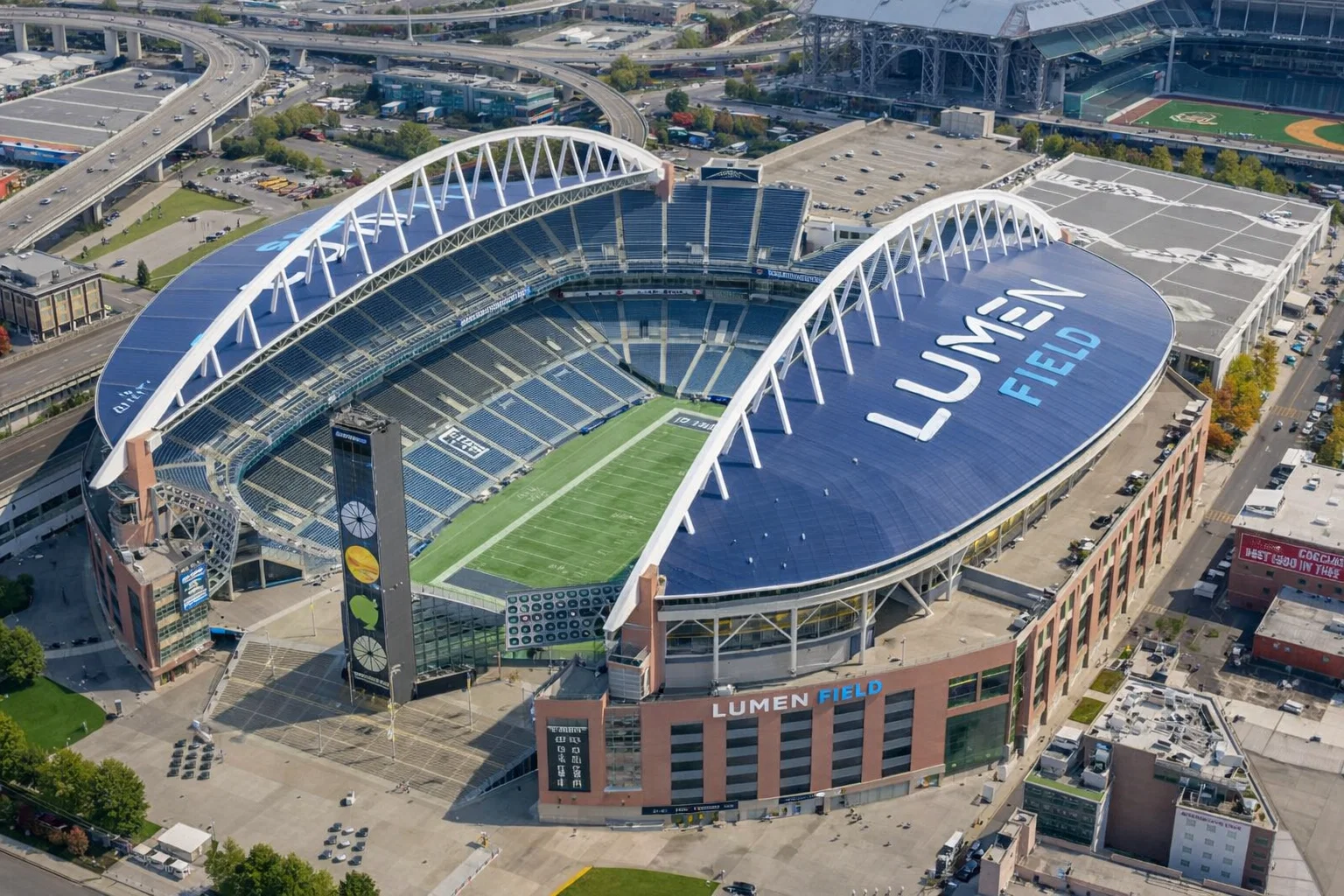
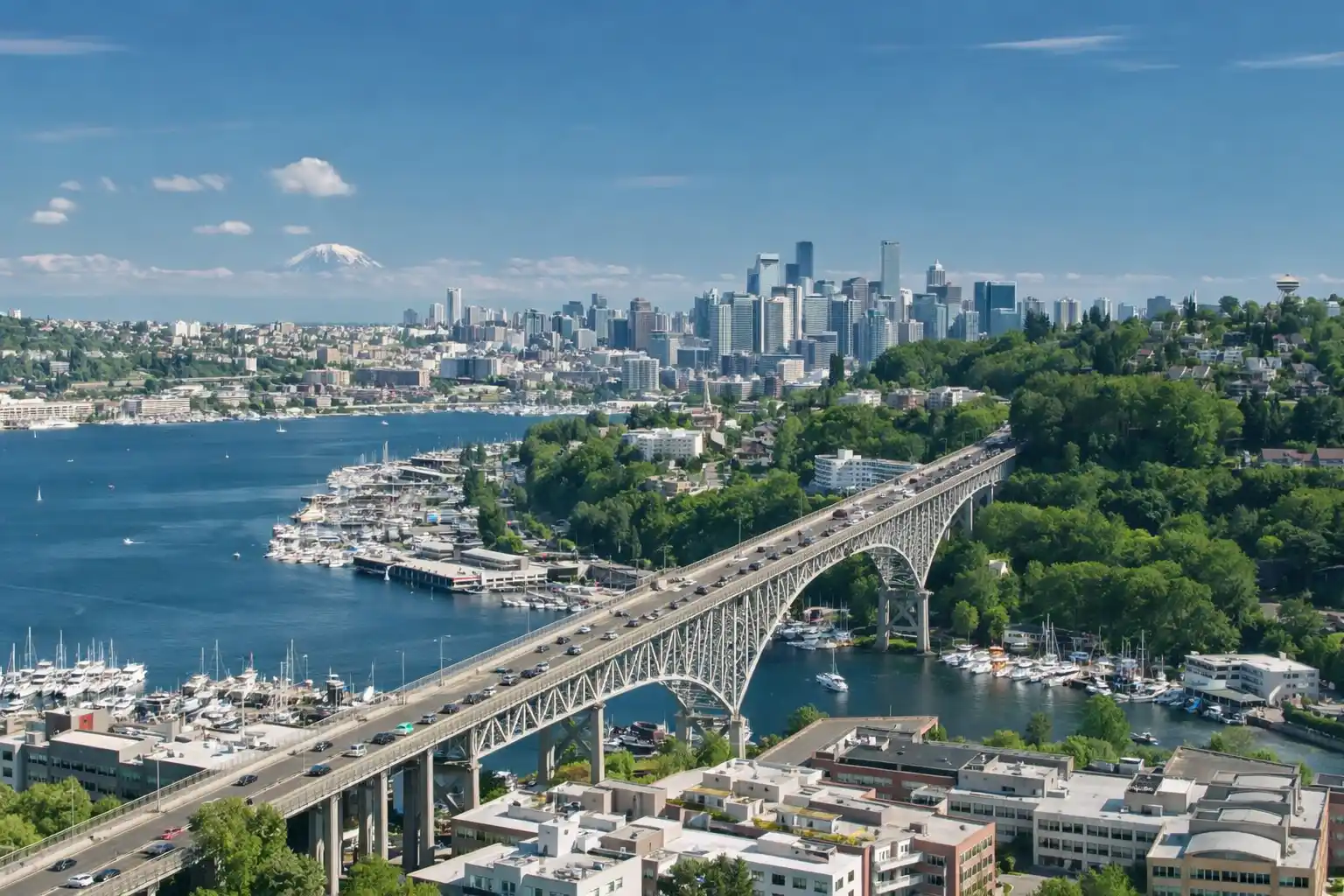
The parking situation: Downtown Seattle parking averages $8-12 per hour, garages fill during peak times, and street parking requires understanding zone signs that confuse locals. Many Renton visitors heading to Seattle for concerts, sports events, or full-day tourism simply avoid the hassle entirely—let someone else navigate while you enjoy the drive across I-90 with Lake Washington views on both sides.
Don’t leave without: Walking the Gum Wall in Post Alley, as disgusting as that sounds. It’s weirdly compelling—thousands of pieces of chewed gum stuck to brick walls creating accidental art.
Cougar Mountain & Local Trails: Nature Without the Drive
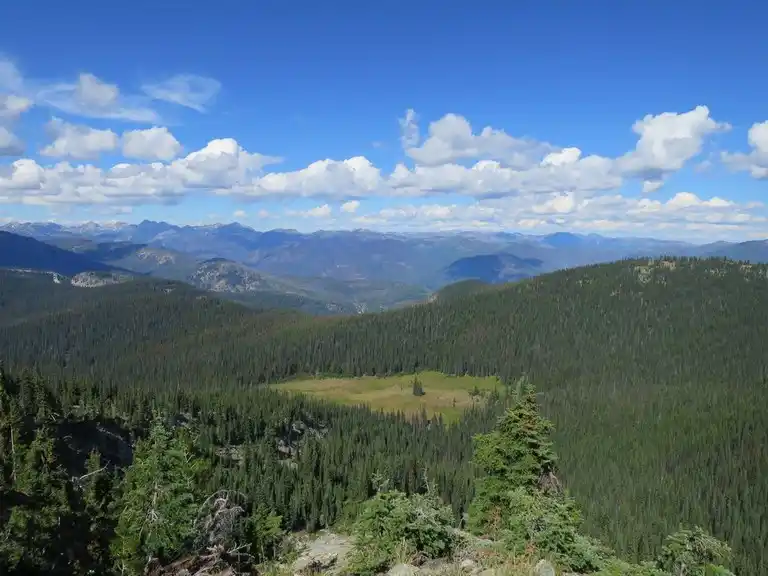
Sometimes you don’t want to drive an hour for nature. Cougar Mountain Regional Wildland Park sits 15 minutes from downtown Renton with over 3,000 acres and 36 miles of trails threading through forest that feels remote despite being surrounded by suburbs.
Coal Creek Falls Trail runs just under three miles round trip, mostly flat, ending at a 30-foot waterfall that impresses more than its modest height suggests. The trail follows an old mining road—this area produced coal in the late 1800s, and you’ll spot remnants of that history along the way. Interpretive signs explain what you’re seeing without being overly educational.
Anti-Aircraft Peak Trail demands more effort—steep switchbacks gaining 500 feet in less than a mile—but rewards with views spanning from downtown Seattle to Mount Rainier on clear days. The “peak” name comes from a Cold War-era Nike missile site that once defended Seattle from Soviet bombers. The missiles are long gone, but concrete foundations remain as Cold War artifacts slowly being reclaimed by moss and ferns.
These trails see heavy local use, especially weekend mornings when families and dog walkers hit the popular routes. Weekday afternoons offer more solitude, and autumn transforms the forest into something magical when maple leaves turn orange against evergreen backdrop and trail surfaces crunch underfoot.
Trail etiquette: Yield to uphill hikers, keep dogs leashed (even if others don’t), and if you’re playing music from phone speakers, know that everyone hates you.
The SeaTac Advantage
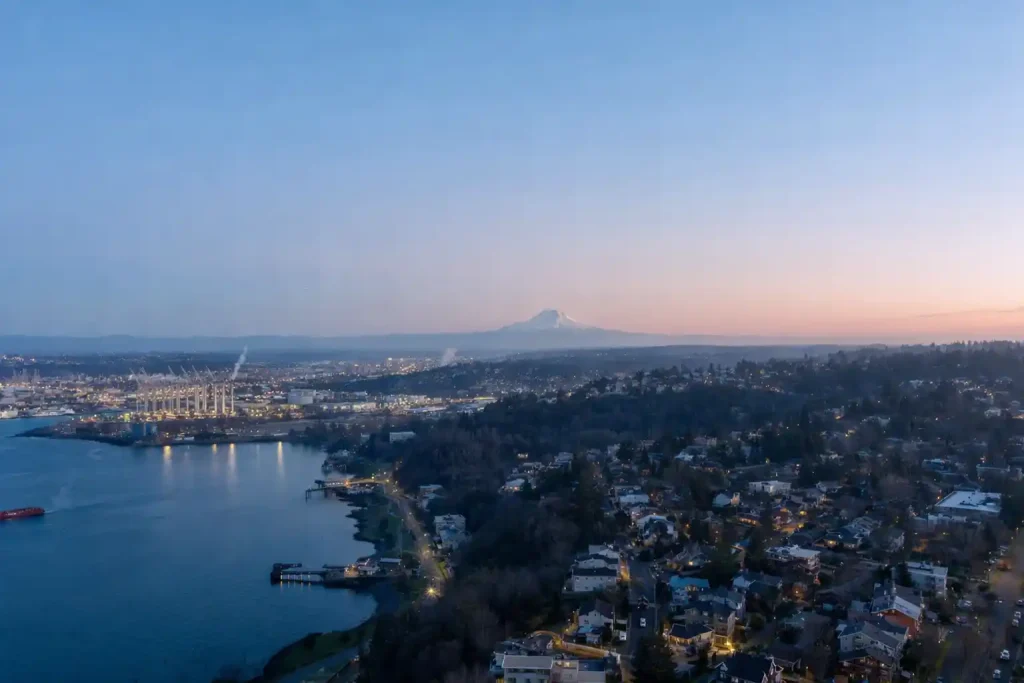
Renton sits 15 minutes from SeaTac International Airport, close enough that early morning flights don’t require hotel stays or 4 AM wake-up calls. This proximity makes Renton particularly attractive for business travelers and corporate teams needing reliable airport access without downtown Seattle’s congestion.
Many companies with Renton offices arrange corporate transportation in Renton for airport runs, client meetings, and business travel precisely because the location offers easy freeway access in multiple directions. Boeing’s presence here for decades established patterns that continue—efficient transportation matters when schedules stay tight.
For leisure travelers, proximity to SeaTac airport transportation means you can actually enjoy your last day rather than spending it worried about missing flights. Grab brunch at The Parlor in Renton, check out of your hotel at a reasonable hour, and still make afternoon departures with time to spare.
Local knowledge: The cell phone lot at SeaTac fills quickly during peak hours. If you’re picking someone up, the official waiting area at 3150 S 160th St works better—free parking, restrooms, and flight tracking screens showing real-time arrivals.
Making the Most of Renton’s Location
The common thread: Renton’s position between Seattle, mountains, airport, and wine country creates options most cities can’t match. You’re not paying downtown Seattle prices or dealing with downtown traffic, but you’re close enough that anything Seattle offers stays accessible.
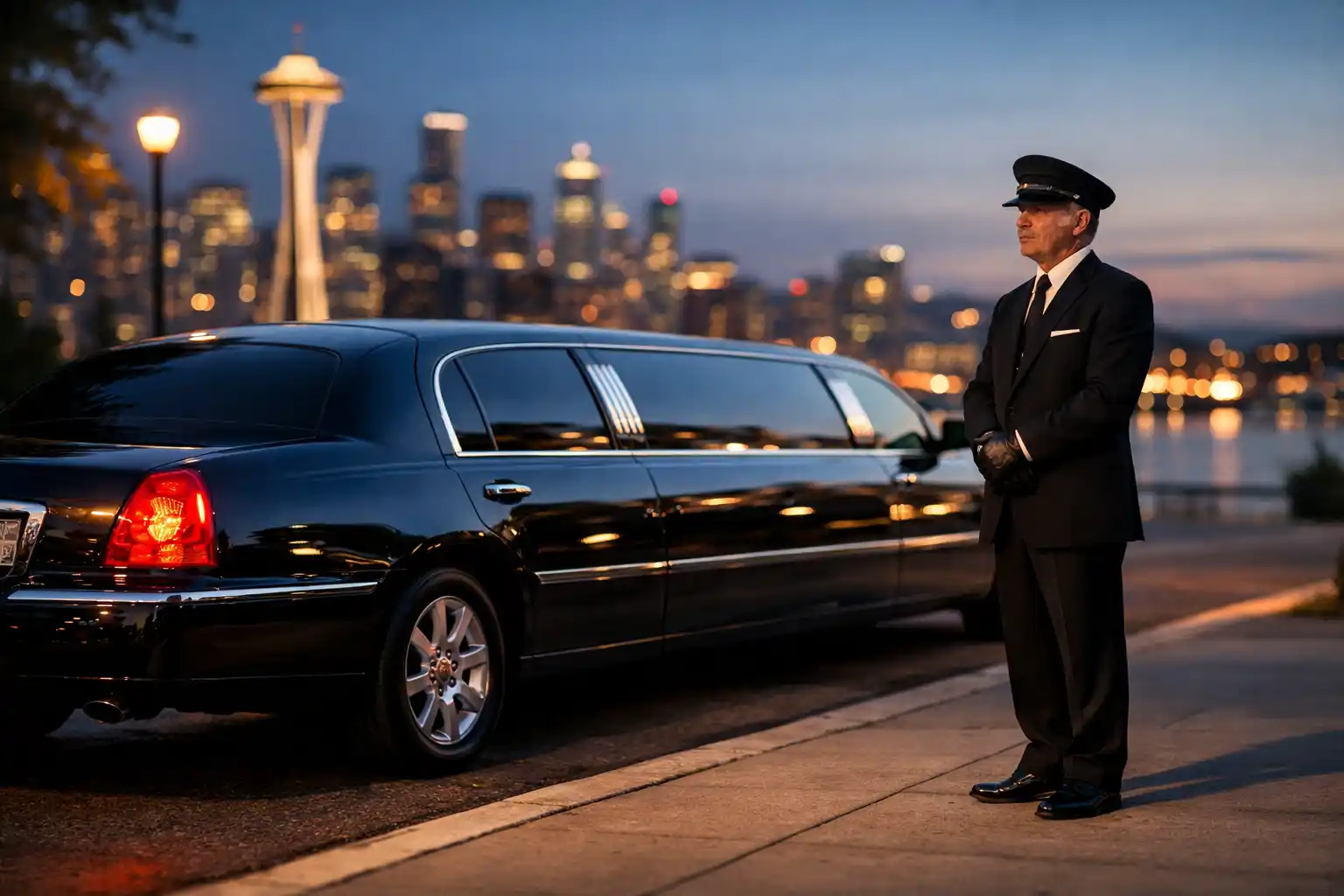
For day trips involving wine tasting, mountain driving, or navigating Seattle parking, having a Renton town car service handle logistics transforms the experience. You set your schedule, they manage the details, and you actually enjoy the destinations rather than stressing about navigation or parking.
The math often favors professional transportation anyway—Seattle parking fees, wine tasting expenses with a designated driver drinking water instead of wine, mountain driving fatigue. Factor in comfort and convenience, and the value becomes obvious.
Your Next Adventure Starts Here
Renton doesn’t chase attention. The city works quietly, offering proximity to mountains, wine country, urban culture, and wilderness without demanding you choose just one. Tech workers move here for easier airport access. Families choose it for good schools and nearby trails. Outdoor enthusiasts appreciate being close to Snoqualmie Pass and alpine recreation.
Check weather before committing to mountain trips—Snoqualmie can see rain when Renton stays sunny, and vice versa. Wine country operates year-round, though harvest season (September-October) brings special energy. Seattle’s attractions don’t change much seasonally except for summer concert series at various venues.
The destinations are waiting. Some days you need waterfall mist in your face. Other days call for wine tasting with friends or wandering Pike Place Market. Renton puts it all within reach.
The only question is which direction you’re heading first.