










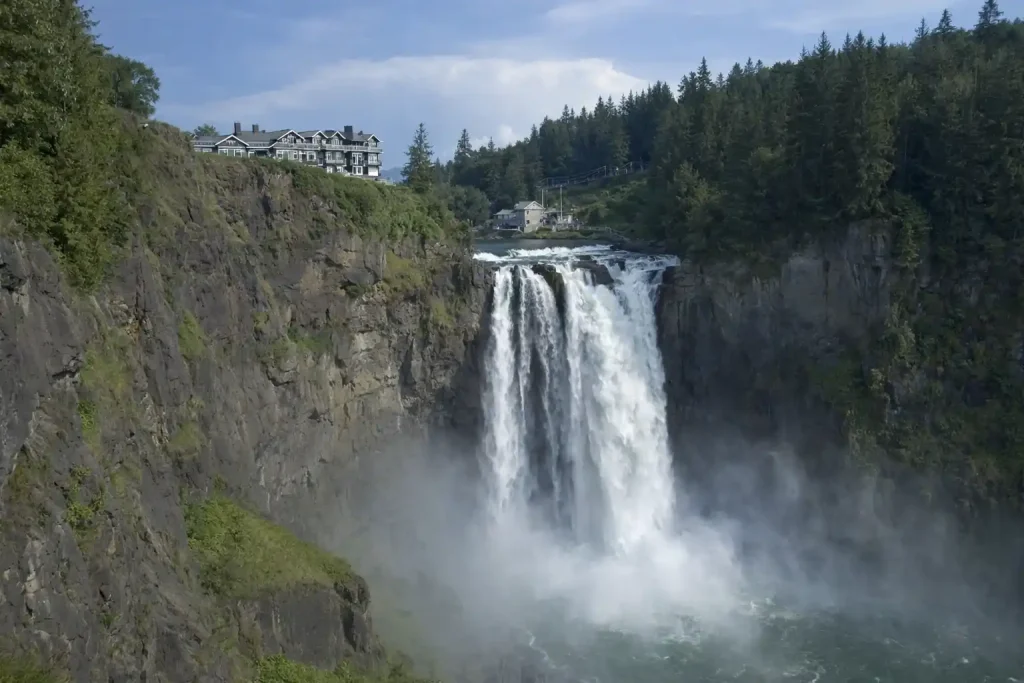
Snoqualmie Falls sits about 35 miles east of Shoreline, which makes it one of the easier day trips from Shoreline if you don’t feel like fighting I-5 traffic heading south. The 268-foot waterfall pulls in plenty of visitors year-round, but most people from the north end underestimate how much time they actually need—or they show up at the wrong hour and end up stuck in a parking lot with tour buses.
Why Snoqualmie Falls is Worth a Day Trip
The falls themselves take maybe 20 minutes to see if you just walk to the overlook and snap a photo. That’s not really enough to justify the drive. What makes this trip work is pairing the falls with a couple other stops: the Salish Lodge for lunch or drinks, maybe a quick detour through North Bend for coffee or pie, and if you’ve got extra time, a walk on one of the easier trails nearby.
It’s not Mount Rainier—you’re not committing to a full day of hiking. But it’s more substantial than just driving out to take a picture. The falls run heavy in spring and early summer when snowmelt kicks in, so there’s definitely a best season for this if you want that dramatic water volume.
Best Departure Time (and When to Return)
Leave Shoreline by 9:00 or 9:30 AM if you want to beat the weekend crowds. You’ll hit the falls mid-morning when parking’s still manageable and the light’s decent for photos. Tour buses tend to roll in closer to 11, so earlier is better.
Plan to head back by 3:00 or 4:00 PM. That gets you home before dinner and avoids the worst of I-90 eastbound backups if there’s an event or accident. On summer weekends, that highway can turn into a parking lot after 4:30, especially near Issaquah.
If you’re doing this on a weekday, you’ve got more flexibility. Traffic’s lighter and you won’t be competing with as many tourists for parking or tables at the lodge.
Suggested Itinerary (3-Stop + Flexible)
Stop 1: Snoqualmie Falls (45-60 minutes)
Park at the upper lot and walk to the main overlook. If you’re up for it, take the half-mile trail down to the base—it’s steep but not terrible, and the view from below is better. Just remember you’ve got to climb back up. Budget an hour total if you’re doing both viewpoints.
Stop 2: Salish Lodge or North Bend (1-2 hours)
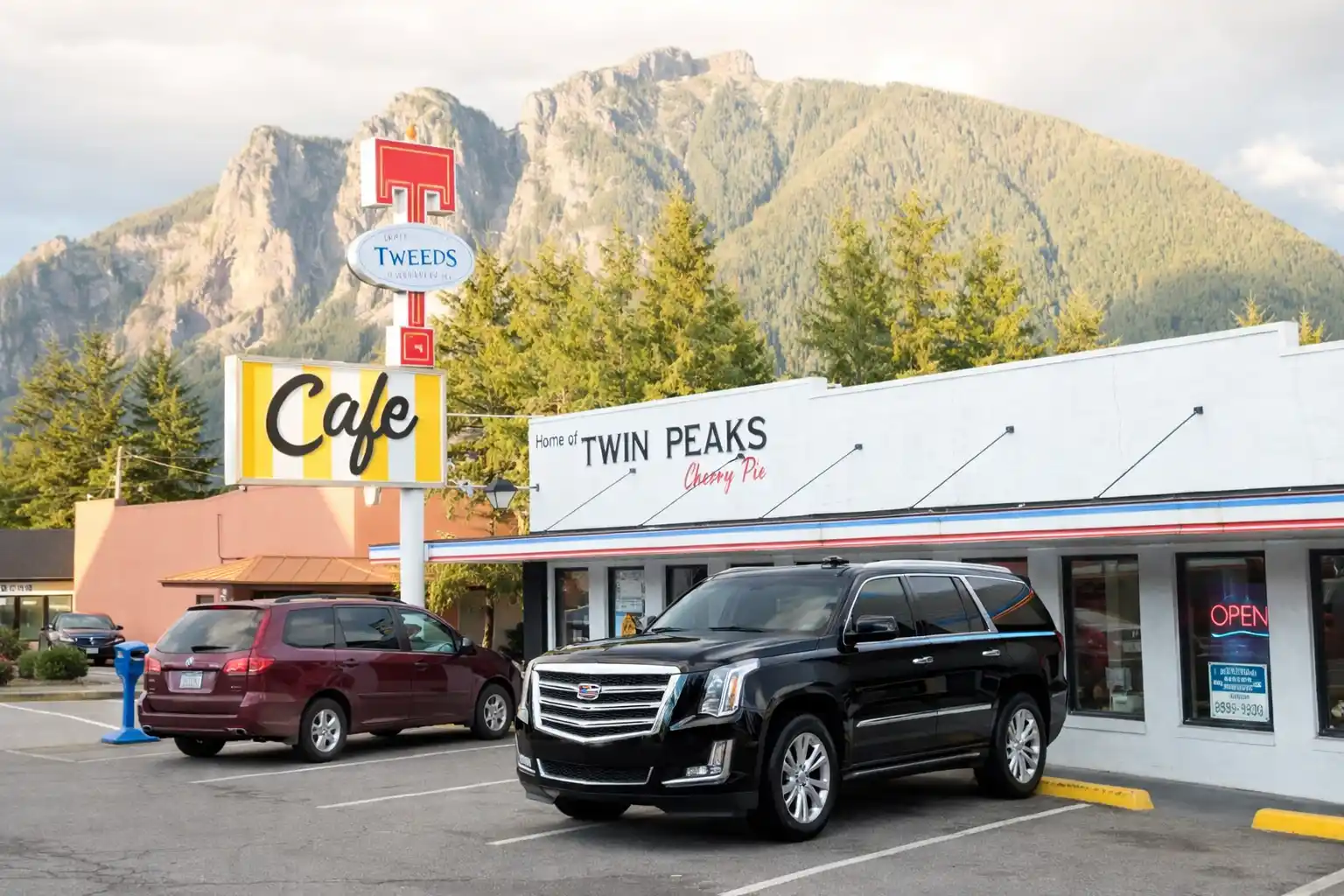
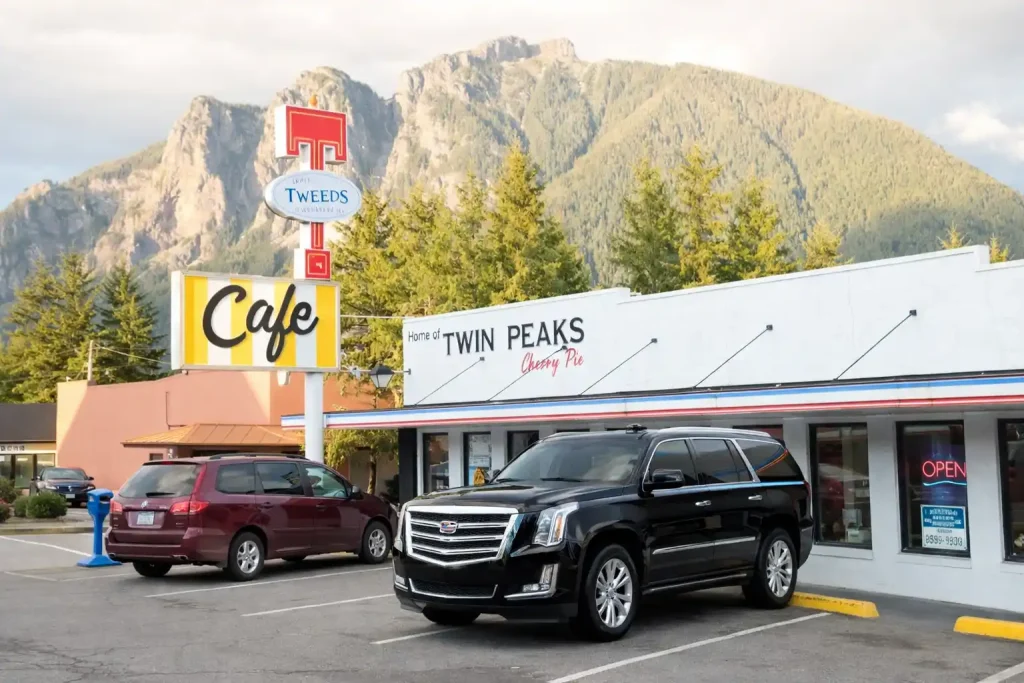
Salish Lodge sits right at the top of the falls. Their dining room’s pricey but the view’s solid, and you can usually get a table for lunch without a reservation on weekdays. If you’d rather skip the lodge, drive 10 minutes east to North Bend. Twede’s Cafe does decent pie and the Twin Peaks fans still show up for photo ops.
Stop 3: Optional trail or brewery stop
If you’ve still got energy, there are a few easy trails off exit 32—Rattlesnake Ledge is popular but it gets crowded. For something lower-key, try Twin Falls Trail (it’s 3 miles round trip and pretty flat). Or skip the hiking altogether and hit one of the breweries in North Bend before heading home.
This setup gives you flexibility. You’re not locked into a rigid schedule, and you can stretch or compress each stop depending on how the day’s going.
Weather/Season Notes
Spring and early summer (April through July) give you the best water flow. The falls can look a little weak by late August if it’s been a dry summer, though they never fully disappear.
Winter works too, but check road conditions before you go—I-90 can get icy and the trail to the base of the falls might be closed or sketchy. Fall’s nice for colors if you’re doing any of the nearby trails, though the falls themselves aren’t as impressive without the spring runoff.
Rain doesn’t really stop this trip since you’re mostly in the car or at viewpoints with cover. Just bring a jacket and decent shoes if you’re planning to walk down to the base.
Hourly vs Point-to-Point: What to Book
For day trips from Shoreline that involve multiple stops like this, hourly usually makes more sense. You’re not just doing a straight shot out and back—you’re stopping at the falls, maybe grabbing lunch, possibly adding a trail or brewery. Point-to-point works if you’re only hitting the falls and coming straight home, but that doesn’t give you much time to actually enjoy the area.
Three to four hours is about right for this itinerary if you’re keeping it simple. If you want to add a hike or spend more time at lunch, bump it to five. With hourly booking, you’re not watching the clock as much and you can adjust on the fly if you find something worth spending extra time on.
Our long distance transportation handles this kind of route regularly, and we can suggest timing based on what you actually want to do versus just shuttling you there and back. If you’re starting from Shoreline specifically, check the Shoreline town car service page for details on availability and rates.
FAQ
Is Snoqualmie Falls free to visit?
Yeah, parking and the overlook are free. If you eat at Salish Lodge you might validate for their lot, but the public parking at the falls doesn’t cost anything.
Can you swim at Snoqualmie Falls?
No, and they’ll fine you if you try. The currents at the base are dangerous and people have drowned there. Stick to the viewing areas.
How long does it take to drive from Shoreline to Snoqualmie Falls?
About 40-45 minutes without traffic. Weekend mornings in summer can push that closer to an hour if I-90 gets backed up near Issaquah.
Is the trail to the base of the falls hard?
It’s steep but short—half a mile down, half a mile back up. Most people can handle it, but if you’ve got knee problems or you’re not in great shape, it might feel rough on the way back. The upper overlook’s completely flat and accessible if you’d rather skip the hike.
What’s the best time of year for Snoqualmie Falls?
April through June when the snowmelt’s running. The falls are way more dramatic with high water volume, and the weather’s usually decent by then.