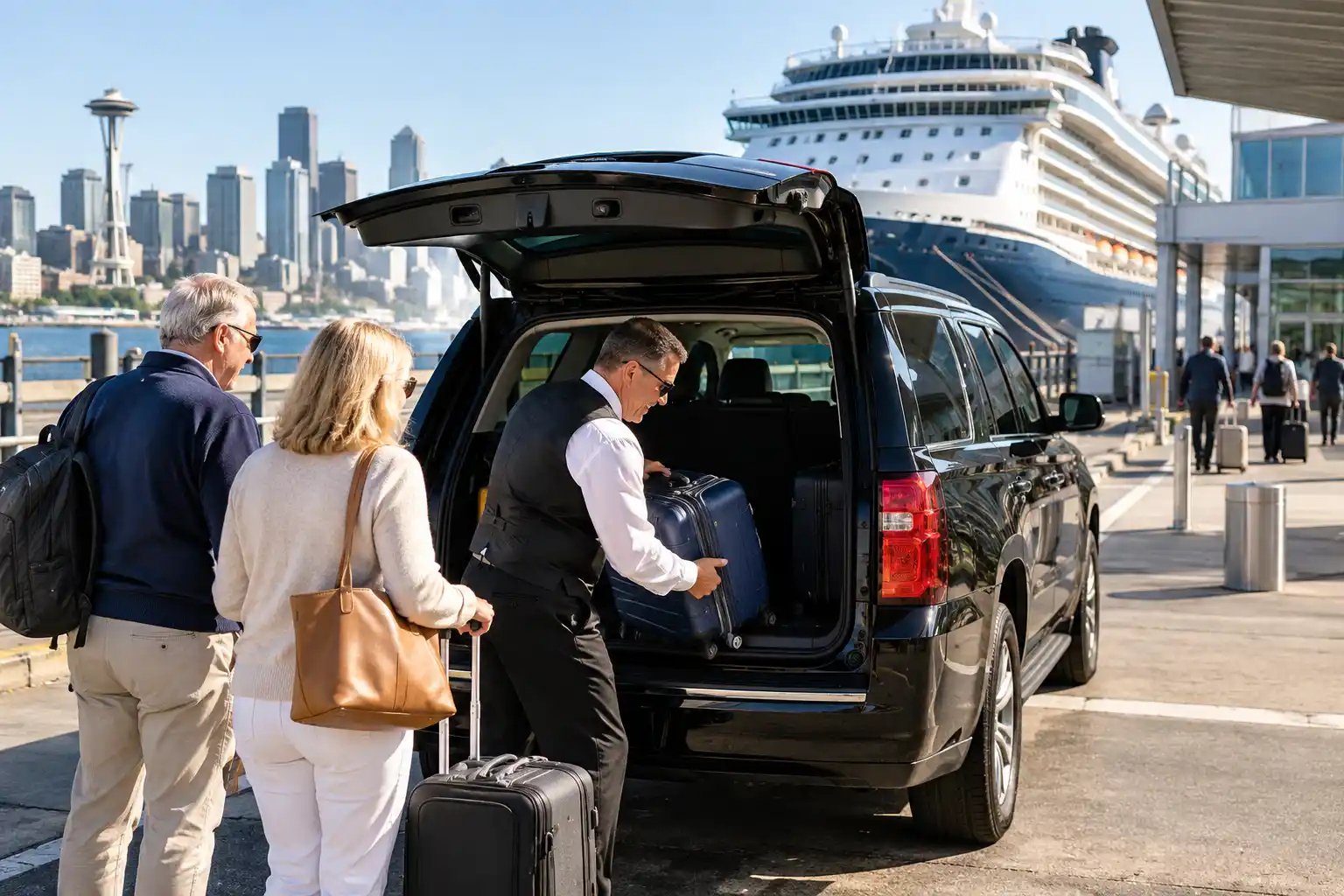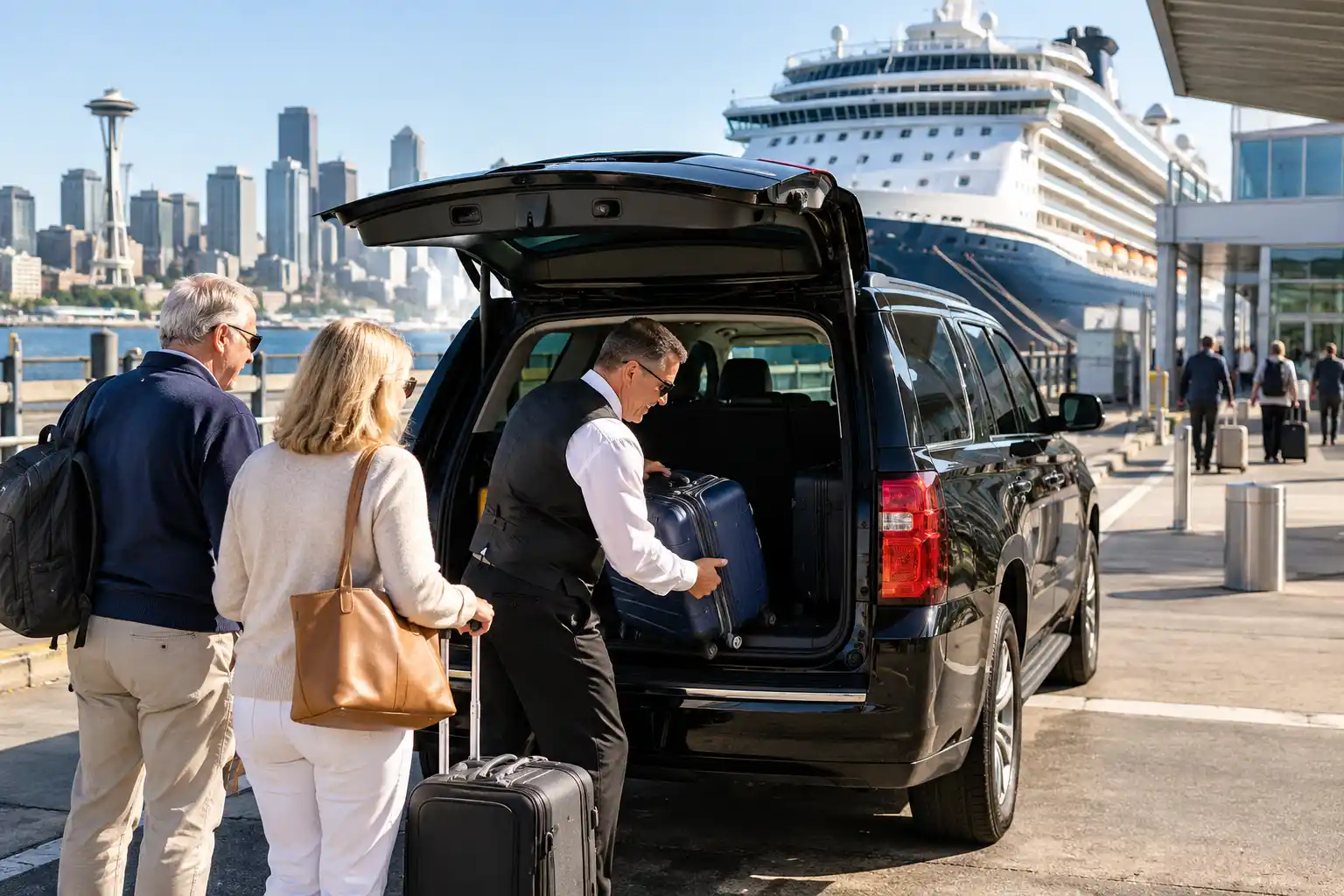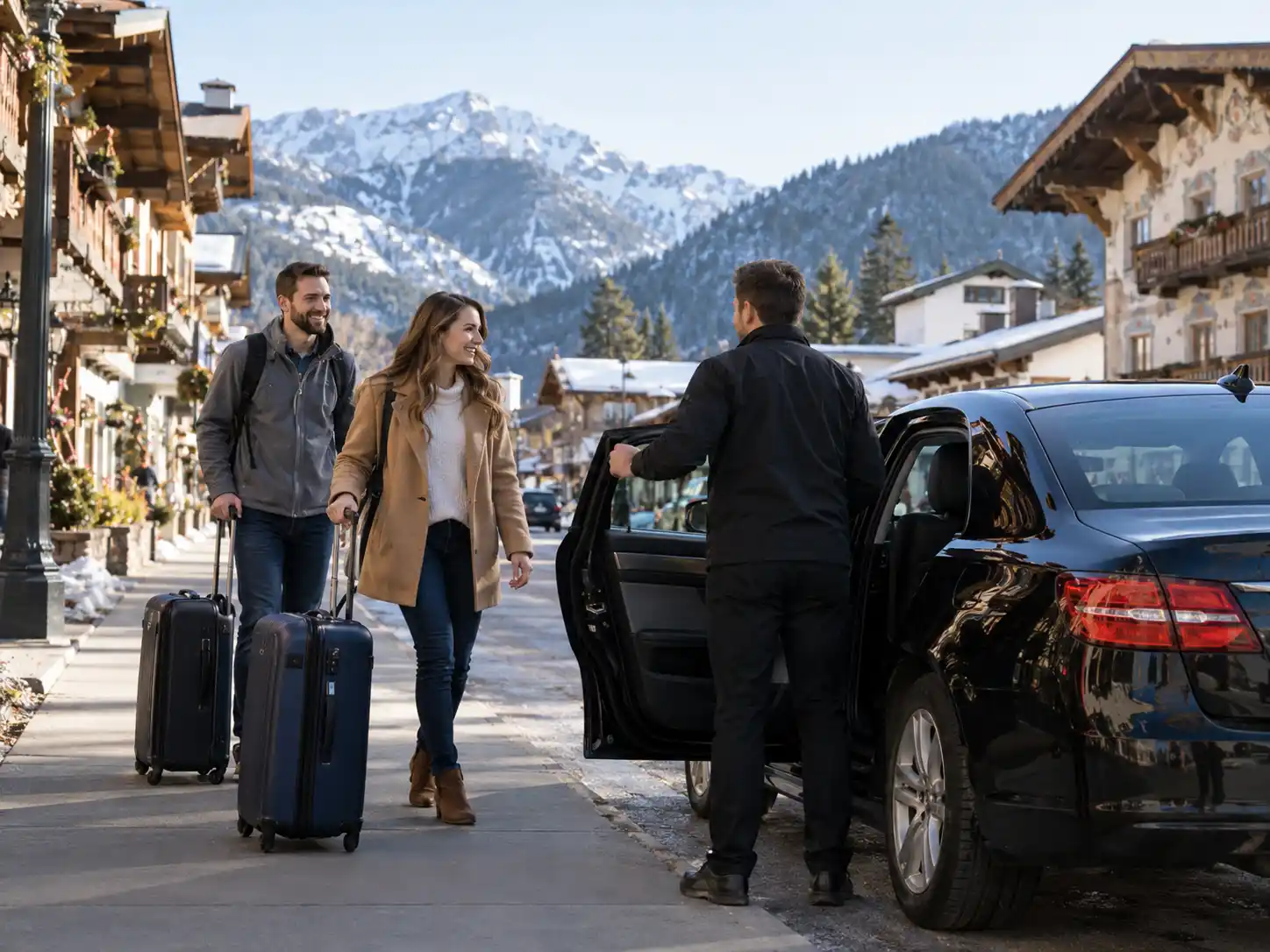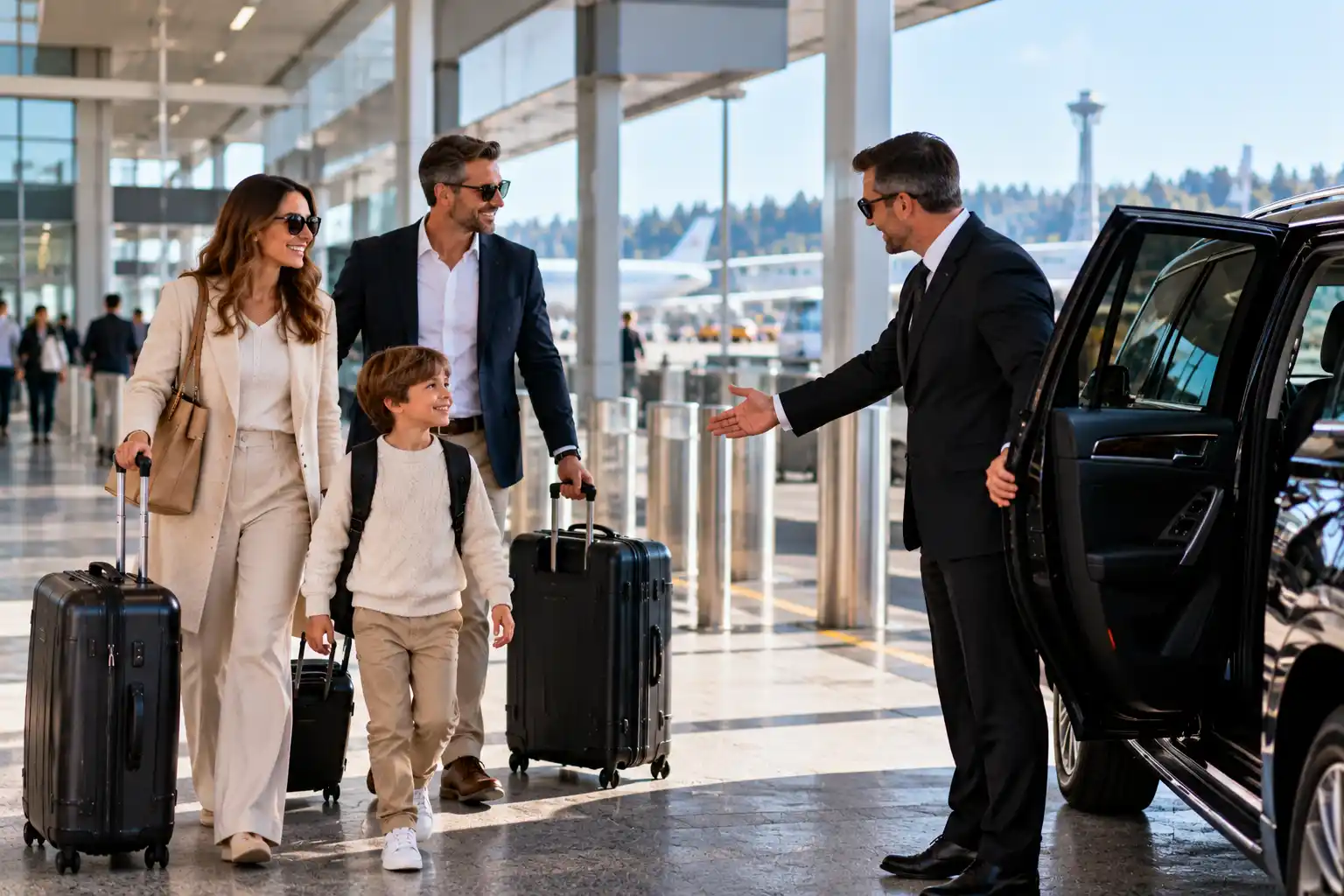










Most writing about Seattle cruise transport assumes one journey: the airport to the ship, and the ship back to the airport. Plenty of passengers have other plans. Some are staying on for a few nights in the city. Some are catching a train south to Portland or north to Vancouver. Some are heading for a ferry to Bainbridge Island, and a smaller group is stepping off one ship in the morning to board another the same afternoon.
This article is about those connections: how the two cruise terminals link to the rest of Seattle, and how to move between them when one voyage leads straight into the next.
Connecting the Terminals to the Rest of Seattle
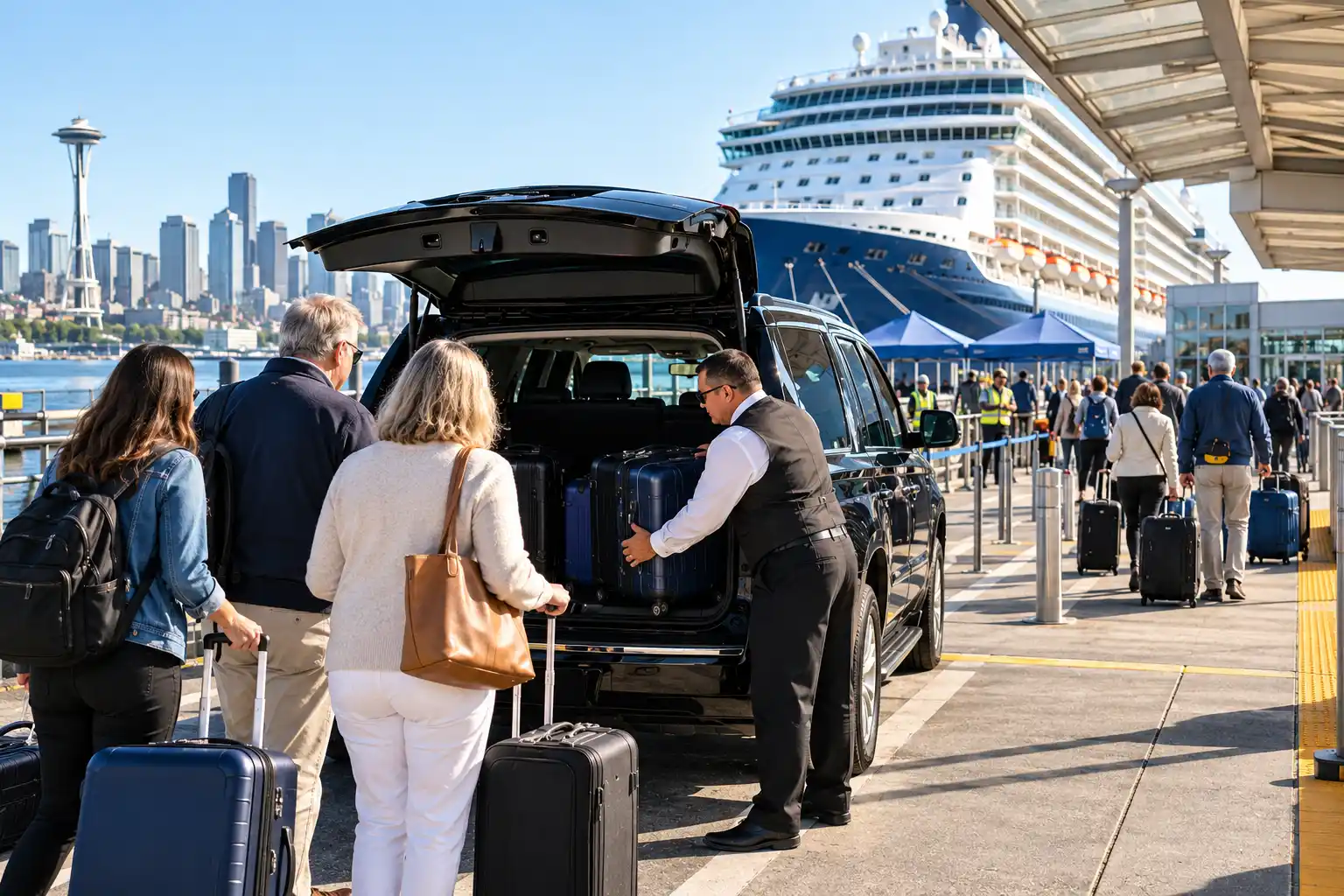
Seattle has two cruise terminals, and they sit in quite different settings. Pier 66, the Bell Street Cruise Terminal, is on the central waterfront below Belltown and a short distance from Pike Place Market. Pier 91, the Smith Cove Cruise Terminal, lies a few miles north in Interbay, between Magnolia and Queen Anne, on a working port property. Your cruise documents name the terminal your ship uses.
The difference matters for everything that follows. From Pier 66, much of downtown is close. From Pier 91, almost every onward journey begins with a drive back toward the city center. A clear plan for the first leg after disembarkation, or the last leg before boarding, keeps either terminal simple. For the full journey from airport to ship, see our earlier Seattle cruise transportation guide.
Pier 66 and the Downtown Waterfront
Pier 66 is the more central of the two terminals, sitting on Alaskan Way with the downtown grid climbing the hill behind it. Hotels in Belltown, near Pike Place Market and along the waterfront are only a short ride away, and on a dry day with light luggage some passengers even walk the shorter distances.
With full cruise luggage, though, the hills between the waterfront and the downtown core change the picture. Several blocks uphill with two large suitcases each is a different proposition from a stroll. A car also makes sense for hotels farther into the city, such as those in South Lake Union, the retail core or First Hill, and for anyone traveling with children or with limited mobility. The live page on getting to Pier 66 covers the terminal itself in more detail.
From Pier 66, the central ferry terminal at Colman Dock is a short drive south along the waterfront, and King Street Station is a little farther, at the southern edge of downtown near Pioneer Square.
Pier 91 and the Interbay Approach
Traffic leaving Pier 91 feeds onto Elliott Avenue West and 15th Avenue West, the main link to the rest of the city. From there, routes split: south along the waterfront toward downtown and the stadium district, or east across Queen Anne toward South Lake Union and I-5.
Because the terminal is not in a neighborhood with hotels and restaurants on the doorstep, every connection from Pier 91 is effectively a car ride. Downtown hotels are a short drive outside peak traffic; King Street Station and Colman Dock add a little more time as they sit on the far side of downtown. Our earlier guide to the Smith Cove Cruise Terminal at Pier 91 explains how vehicles approach and leave the terminal.
Moving Between Terminals for Back-to-Back Sailings
Back-to-back cruisers fall into two groups. Those staying on the same ship for a second voyage usually remain aboard or follow the cruise line’s in-transit procedure, so no ground transport is needed. Those switching to a different ship, sometimes at the other terminal, face a short but important transfer.
Pier 66 and Pier 91 are only a few miles apart, usually a drive of around fifteen to twenty-five minutes depending on traffic. The challenge is not the distance but the timing. You will leave the first ship with your disembarkation group, collect every bag, and need to arrive at the second terminal within its check-in window. A private car that waits for you at the first terminal and drives straight to the second keeps luggage in one place throughout.
A few habits help on a terminal-to-terminal day:
– Ask the first cruise line for an early disembarkation slot if one is offered.
– Keep the second ship’s luggage tags and documents in your carry-on, ready to attach.
– Plan for a gap between ships; some travelers fill it with a slow lunch rather than waiting at the second terminal.
– Tell the chauffeur both terminals and both ship names when booking.
Linking a Cruise With a Train or Ferry
Amtrak trains leave from King Street Station, just south of downtown. The station is a short drive from either terminal, though from Pier 91 the trip crosses most of downtown. After a cruise, allow time for disembarkation and the drive, then add a comfortable margin before the train; trains do not wait for ships. Amtrak publishes its own baggage rules and boarding guidance on amtrak.com, which is worth checking if you are carrying cruise-sized luggage.
Washington State Ferries sail from Colman Dock on the downtown waterfront to Bainbridge Island and Bremerton. Walk-on passengers can be dropped close to the terminal entrance, which makes a cruise-to-ferry connection fairly simple from Pier 66 and only a little longer from Pier 91.
Whichever connection you need, the most useful thing to share when booking is the onward time: train departure, ferry sailing or hotel check-in. That lets the pickup be set with the right margin. When your plans are clear, request a quote for your terminal connection and list every stop in the order you need them.
FAQ
How far apart are Pier 66 and Pier 91?
They are a few miles apart along the waterfront and the Elliott Avenue corridor. The drive usually takes somewhere between a quarter of an hour and half an hour, depending on traffic and how busy the port approaches are.
Can I connect from a cruise to an Amtrak train?
Yes, many passengers do. Leave enough time after your expected disembarkation for the drive to King Street Station and for boarding, and choose a train later in the day rather than one close to the ship’s arrival.
Is Pier 66 walking distance from downtown hotels?
Some waterfront and Belltown hotels are within walking distance on paper. With full cruise luggage and the hills between the waterfront and downtown, a short car ride is usually the more comfortable option.
How should back-to-back cruisers handle luggage between ships?
Keep everything together in one vehicle and travel directly to the second terminal. Pack the second ship’s documents and tags where you can reach them, and confirm the second terminal’s check-in window before you leave the first ship.