


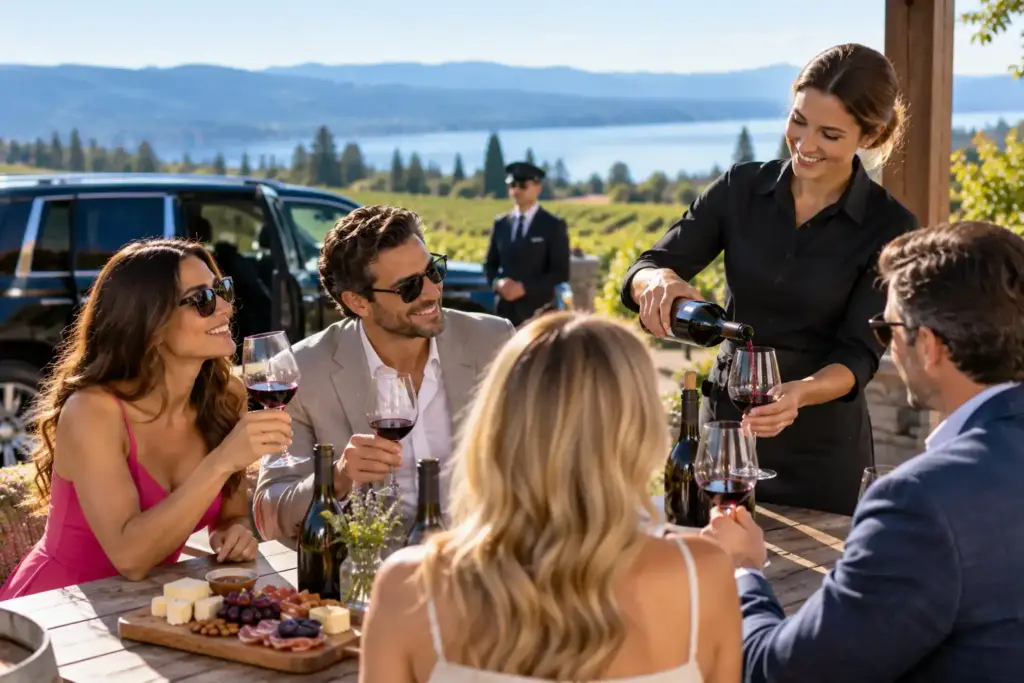
Standing at a busy tasting bar on a Saturday afternoon, sliding a glass forward for the next pour while someone behind you waits for space, is one way to taste wine. Sitting at a table with a host who has set aside an hour just for your group is another. The wine might even be the same. The experience is not.
Around Seattle, and especially in Woodinville, many wineries offer some form of private or seated experience alongside their standard tasting counter. The names vary from winery to winery, and so does what is included. This article sorts out the main types, explains what each one tends to involve, and shows how to string several appointments into a day without running late.
What “Private Tasting” Really Means at a Winery
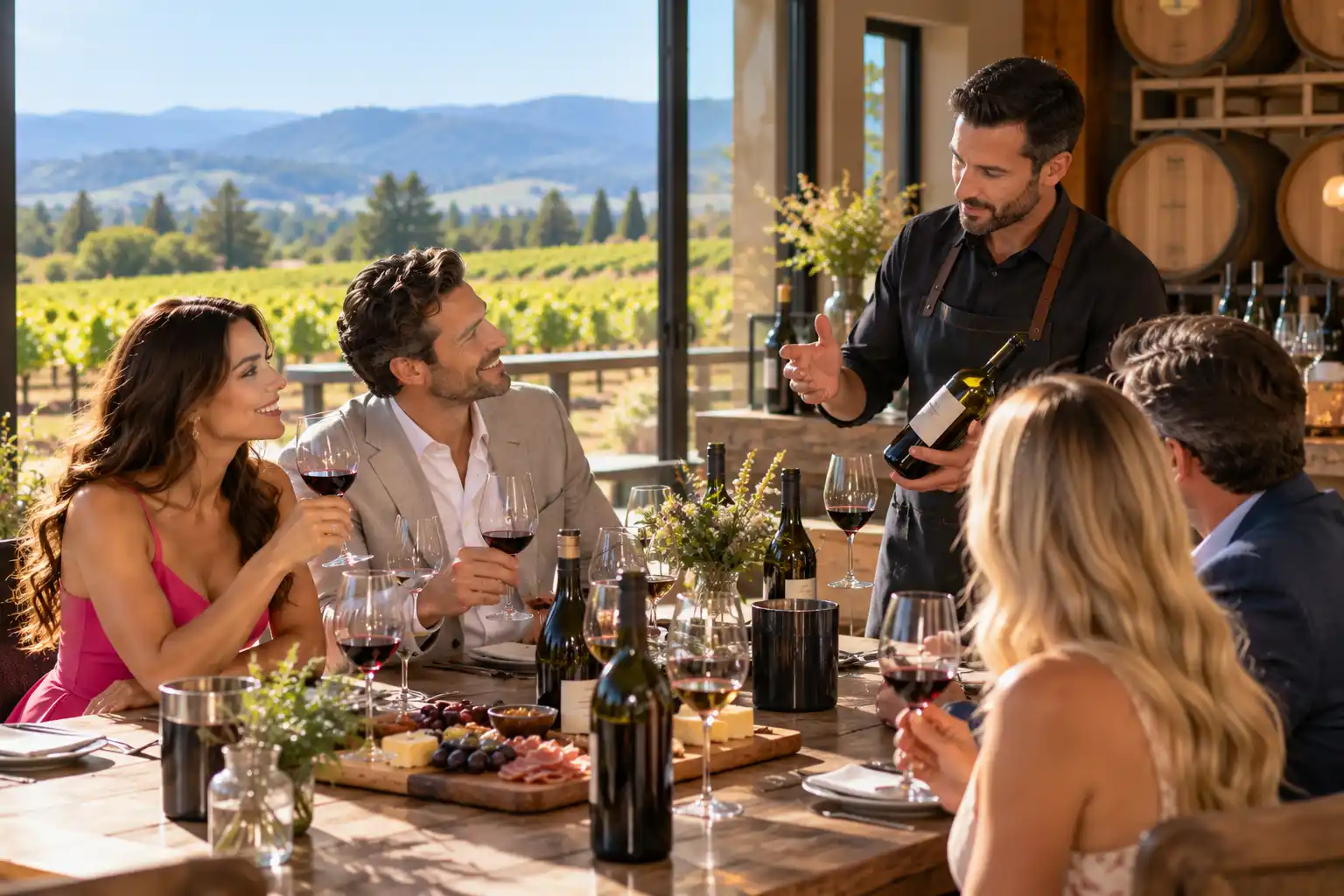
At its simplest, a private tasting is one where your group has its own space and its own host for a set period. That might be a reserved table on a patio, a separate room, a corner of the barrel cellar, or a library set up for a handful of guests. The host pours, explains each wine, and answers questions at your pace rather than the pace of a crowded bar.
Beyond that, the word “private” covers a wide range. At one winery it means a reserved table and the standard flight. At another it means a closed-door session with older vintages. Some private experiences include food; others do not. Some are led by the winemaker, many by experienced tasting room staff.
Because of this variety, it pays to read the description carefully when you book, or to ask directly. Find out how long the session lasts, how many wines are poured, whether food is included, and the largest group the winery can host in that format.
Seated, Reserve and Barrel Tastings Compared
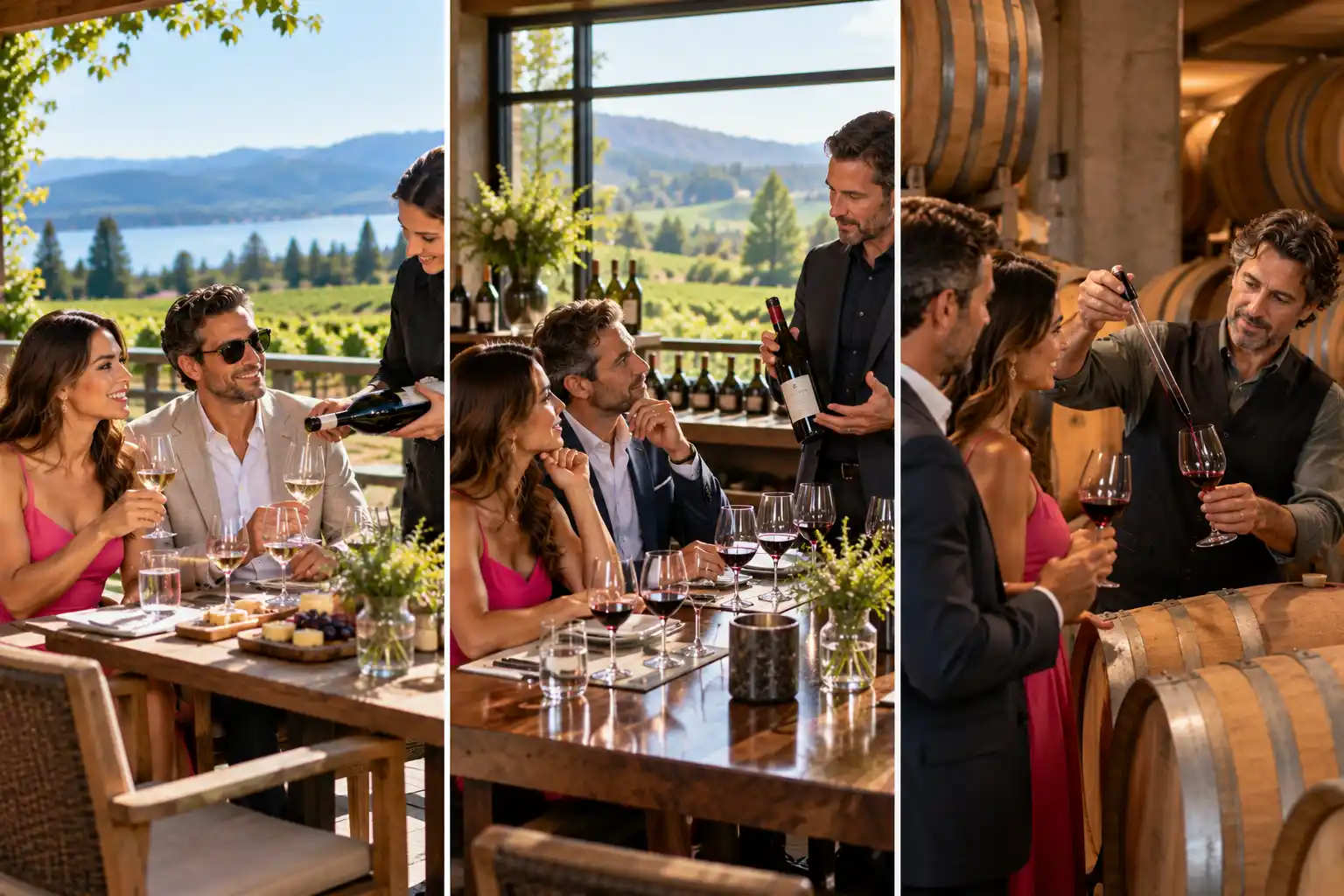
Three formats come up again and again in Washington tasting rooms. Each offers something different.
Seated Tastings
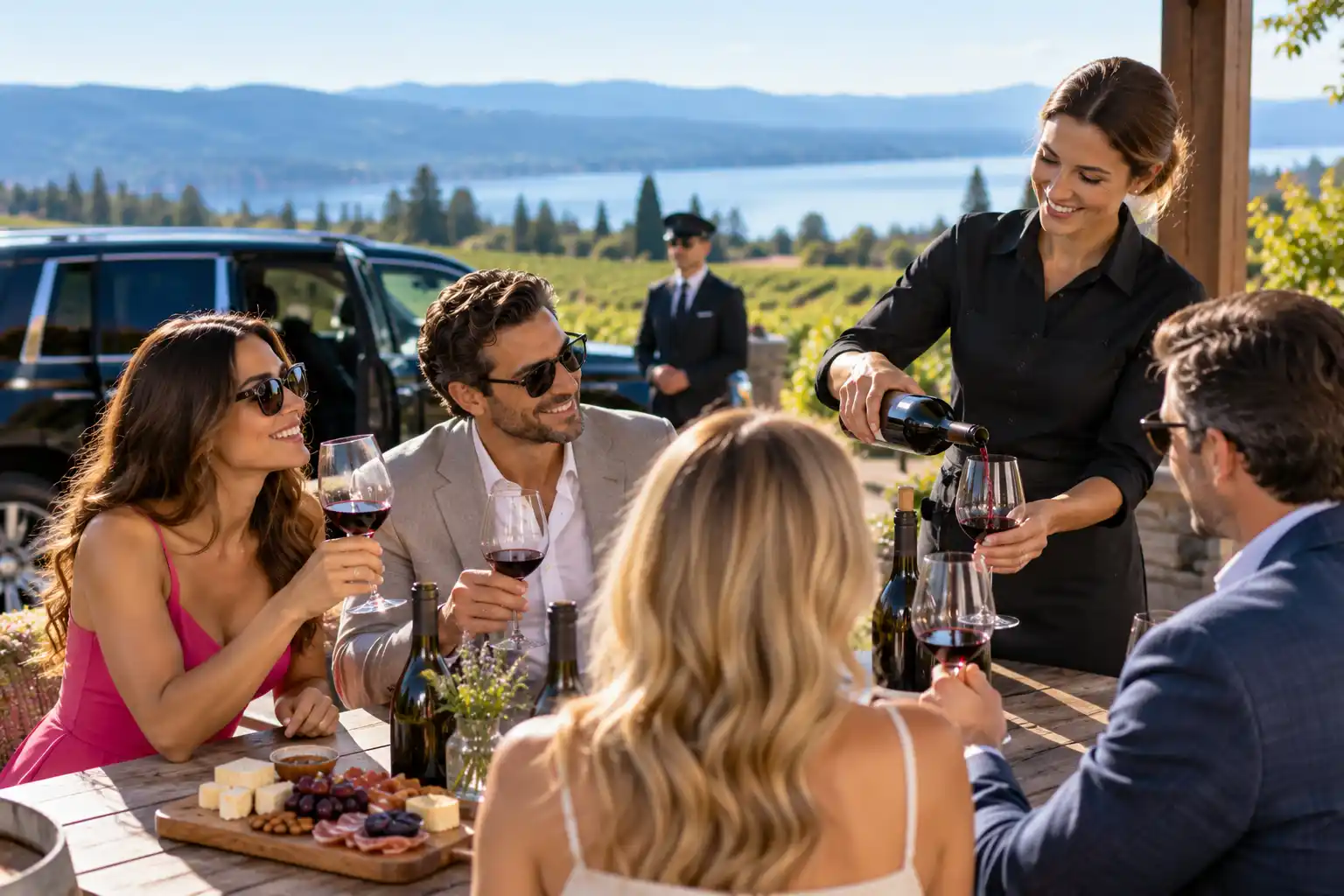
A seated tasting is the most common step up from the bar. Your group sits together, and wines arrive at the table, poured by a host who returns between each one. The pace is slower and the conversation easier. Seated tastings suit couples on a special day, small groups of friends, and anyone who finds standing for long periods tiring. Many wineries now take seated tastings by appointment, particularly on weekends.
Reserve and Library Pours
Reserve tastings focus on a winery’s top bottlings, often single-vineyard wines or small-production reds that do not appear on the everyday list. Library tastings go further back, pouring older vintages the winery has held in its cellar. These are the sessions where you can taste how a wine changes with age, and they are usually smaller and more structured. They tend to require booking in advance, and some are offered only to wine club members, so ask when you inquire.
Barrel Samples
A barrel tasting lets you sample wine that is still aging, drawn straight from the barrel with a wine thief. It is an unfinished product, and that is the point: you taste a wine before blending and bottling, often alongside the finished version of an earlier vintage. Barrel samples depend on what is in the cellar and on the winemaking calendar, so availability varies. Some wineries offer them as part of a cellar tour, others only during special events or on request.
Food Pairing Experiences Worth Building a Day Around
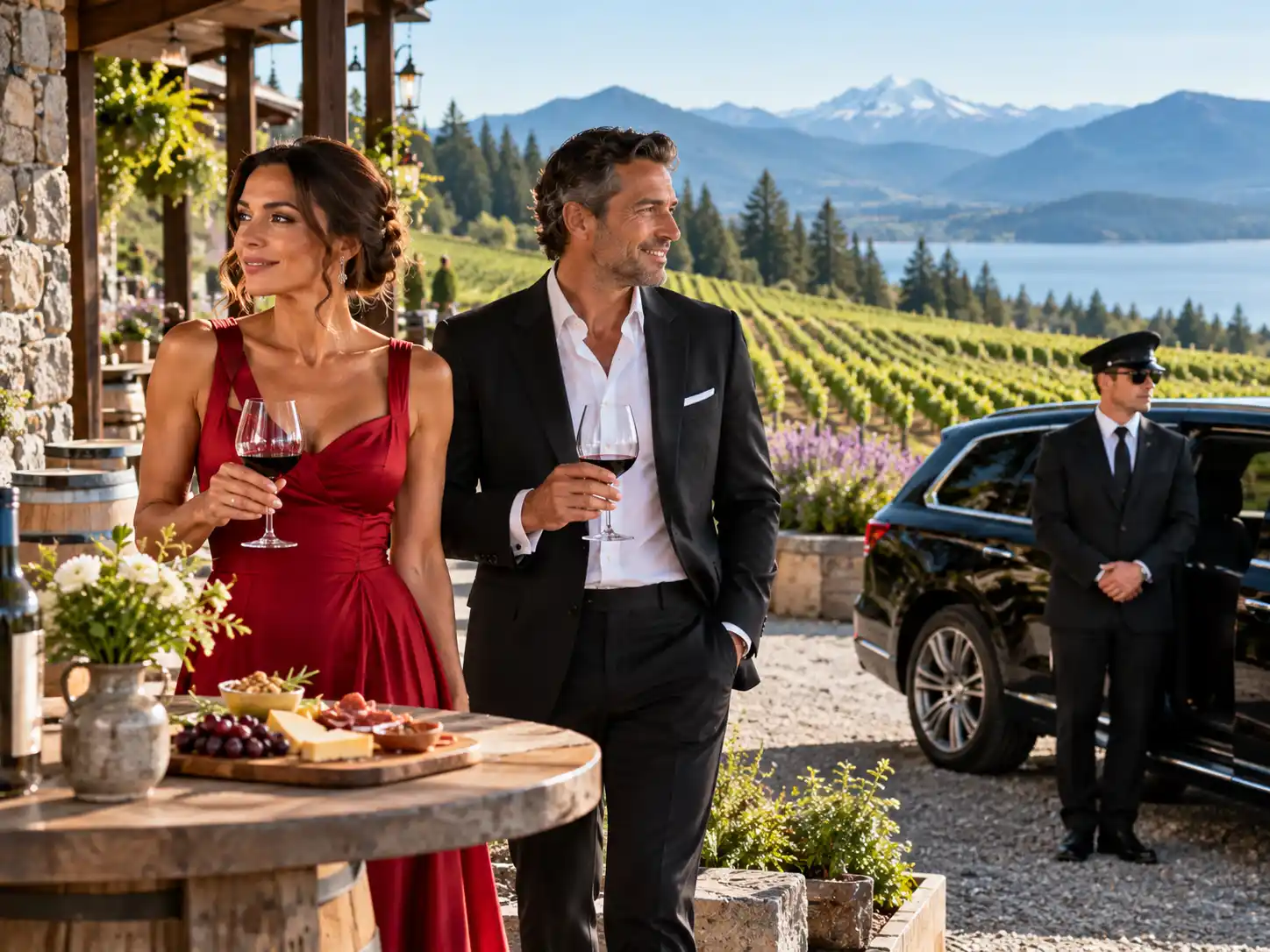
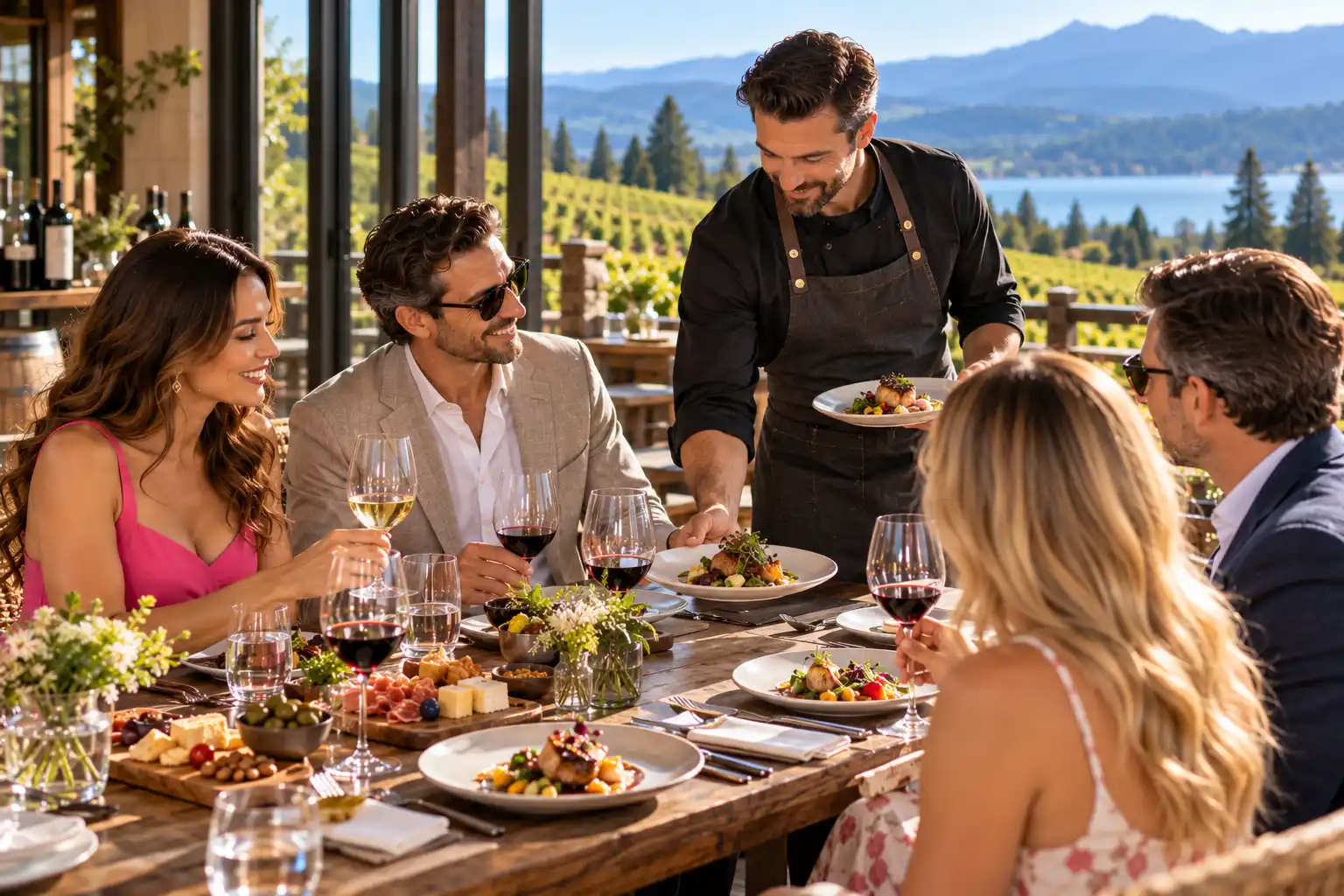
Food-paired tastings match each wine with a small plate, whether cheese, charcuterie, or a dish prepared by an on-site kitchen. The best ones are designed so that the food changes how the wine tastes, and the host explains why.
A pairing experience works well as the anchor of the day. Schedule it in the middle, around lunchtime, so it doubles as the meal. Plan lighter tastings before and after it rather than stacking two pairing sessions back to back. Note any allergies or dietary preferences when you book, since many kitchens can adapt with notice.
If no winery on your route offers a pairing, a lunch reservation at a restaurant in the Hollywood District fills the same role and keeps the rhythm of the day steady.
Sequencing Private Appointments Without Rushing
Appointments make a day feel calm until one of them runs over. These guidelines keep the schedule honest:
– Book no more than three appointments in a day, four if one is short.
– Leave at least thirty minutes between the end of one session and the start of the next, even when the wineries are close.
– Put the most important or most expensive experience early, while palates are fresh.
– Place the food pairing at midday.
– Finish with something relaxed, such as a patio tasting, rather than a structured library session.
Confirm every appointment a day or two before the tour and keep a single list with the name of each winery, the time and the contact number. Share that list with your driver as well.
For broader help with the day as a whole, the Woodinville wine tours page describes how our tours are organized, and our earlier piece on a multi-day Pacific Northwest wine road trip covers private appointments across eastern Washington.
How Your Driver Fits Between Appointments
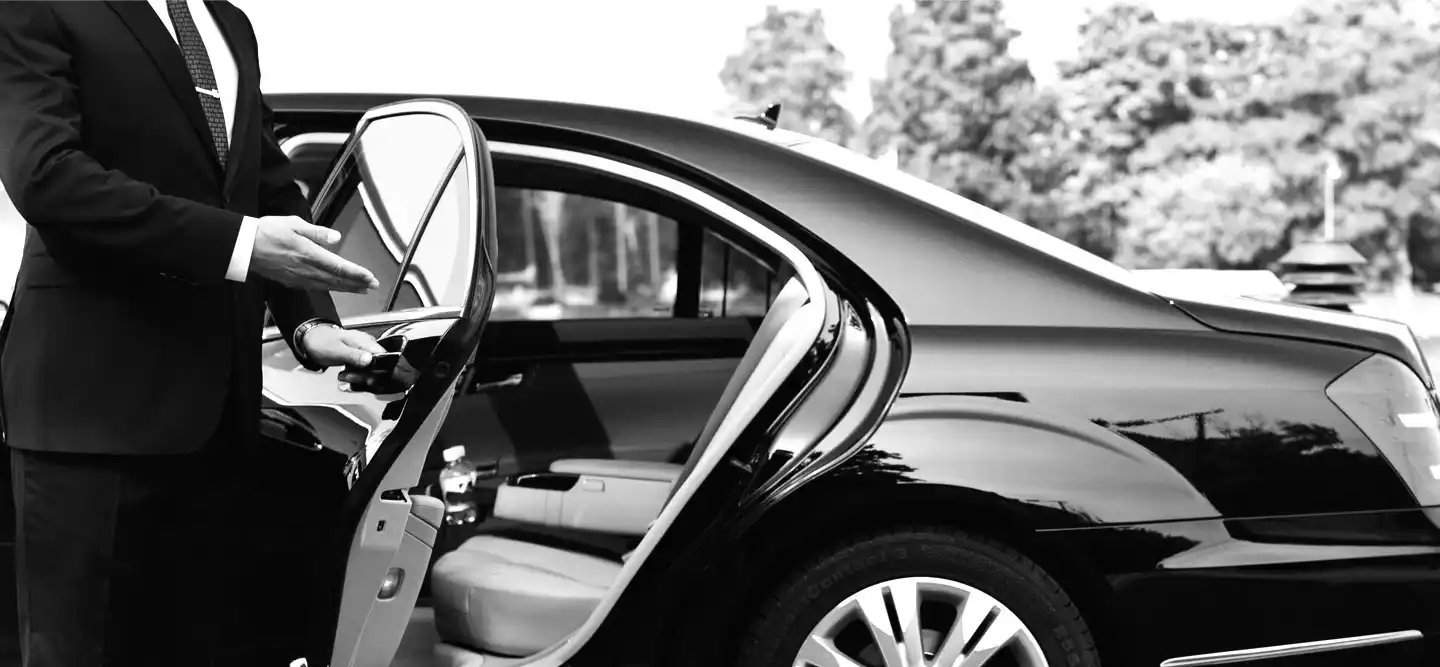
A private car gives a day of appointments its flexibility. The chauffeur drops you at the door, keeps the car nearby, and is ready when the session ends, whether that happens early or a little late. There is no waiting for a rideshare in a rural parking lot and no debate over who is driving.
The driver also protects the schedule. Knowing the route between wineries, the chauffeur can tell you whether a last glass fits before the next appointment. Bottles you buy go straight into the vehicle and stay out of the sun while you are inside.
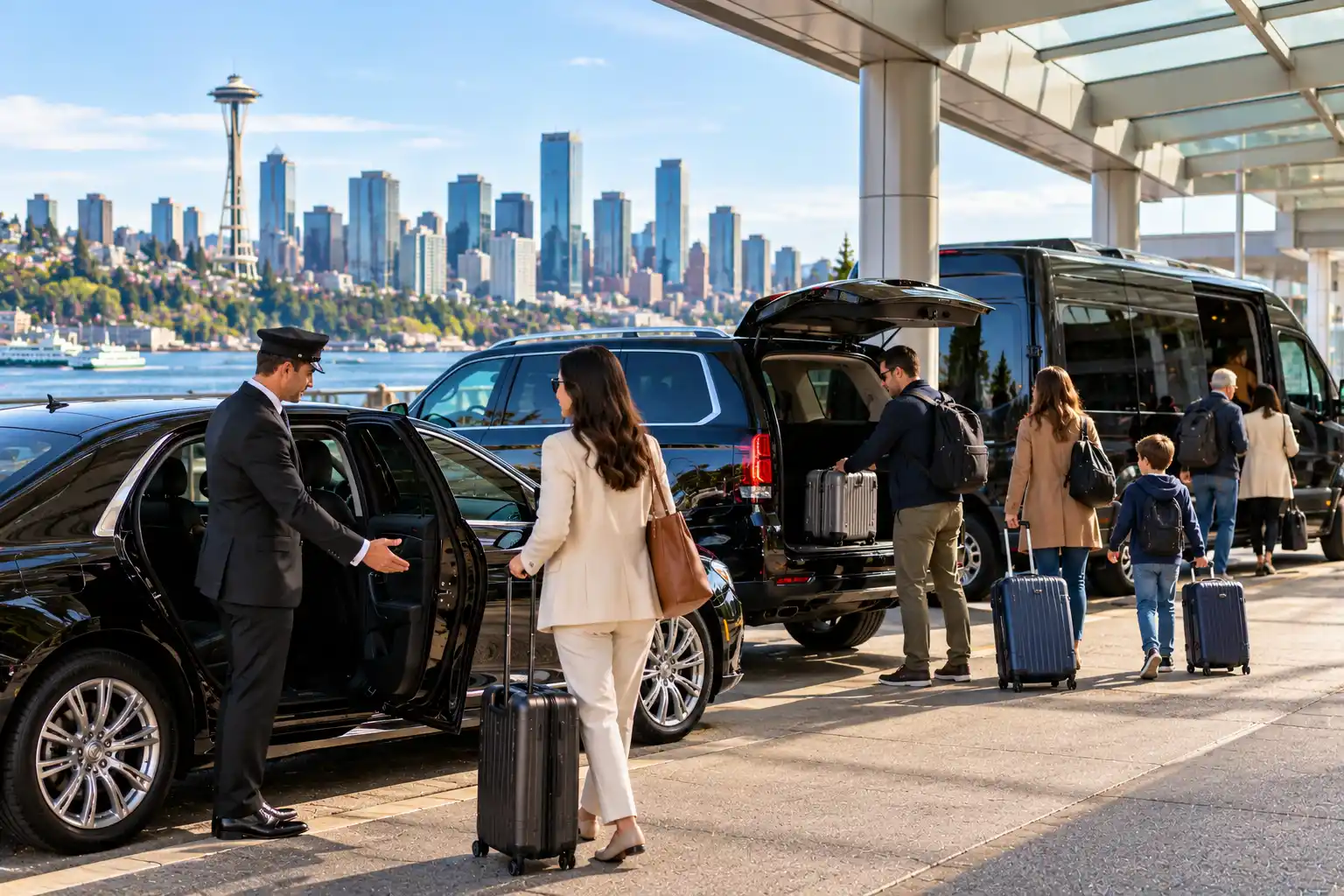
For couples and small parties, a sedan or SUV works well; larger groups can choose an executive van. Our hourly town car service suits this kind of day, since the vehicle stays with you from first pickup to last drop-off. When your appointments are confirmed, book the car for your tasting day and include the schedule in the notes.
FAQ
Do private tastings need to be booked directly with the winery?
In most cases, yes. Wineries manage their own appointment books, often through their websites, and they will want a contact name and group size. Your chauffeur service handles the transportation around those times, so send the confirmed schedule once it is set.
How long does a typical seated tasting last?
Many seated tastings run about an hour, while reserve or library sessions can stretch longer. The winery will usually state the length in its booking details. Ask if you are unsure, because that figure shapes the rest of your timeline.
Can a private tasting be arranged for a large group?
Some wineries host larger parties in a dedicated room, but many cap private formats at a modest number of guests. Contact wineries early with your exact head count and ask about group options. For bigger parties, splitting into two smaller sessions at neighboring wineries is another approach.
Is a barrel tasting available year-round?
Not always. Whether a winery pours from the barrel comes down to what wine it has resting at that moment and where it is in its production cycle, so some save these samples for a tour or for particular dates. The safest move is to ask each tasting room ahead of time while you build the itinerary.