











Table of Contents
Bellingham sits in this weird position where you’re close enough to Seattle that people think “I’ll just drive” and close enough to Vancouver that border crossing logistics become part of every planning conversation. If you’re coordinating corporate travel here—whether that’s getting executives to SeaTac or managing client visits that involve both countries—the casual approach falls apart fast.
This is what actually works when you need reliable corporate car service in Bellingham, based on what breaks and what doesn’t when companies handle this regularly.
Use Cases in Bellingham: When It Pays Off

Most companies figure out they need dedicated transportation after something goes wrong. An executive misses their connection trying to return a rental car at SeaTac. A client gets stranded at Bellingham International during morning rush when Uber availability drops to zero. Somebody’s assistant spends two hours coordinating three separate rides that should have been one booking.
The SeaTac airport transfer is where ROI becomes obvious. That 90-mile run looks simple on Google Maps, but it’s different at 5:30 AM when your CEO needs to be through security by 7. Professional transportation means no parking logistics, no stress about Seattle traffic, and—this matters more than people admit—your executive can actually work during the drive instead of white-knuckling through lane changes on I-5.
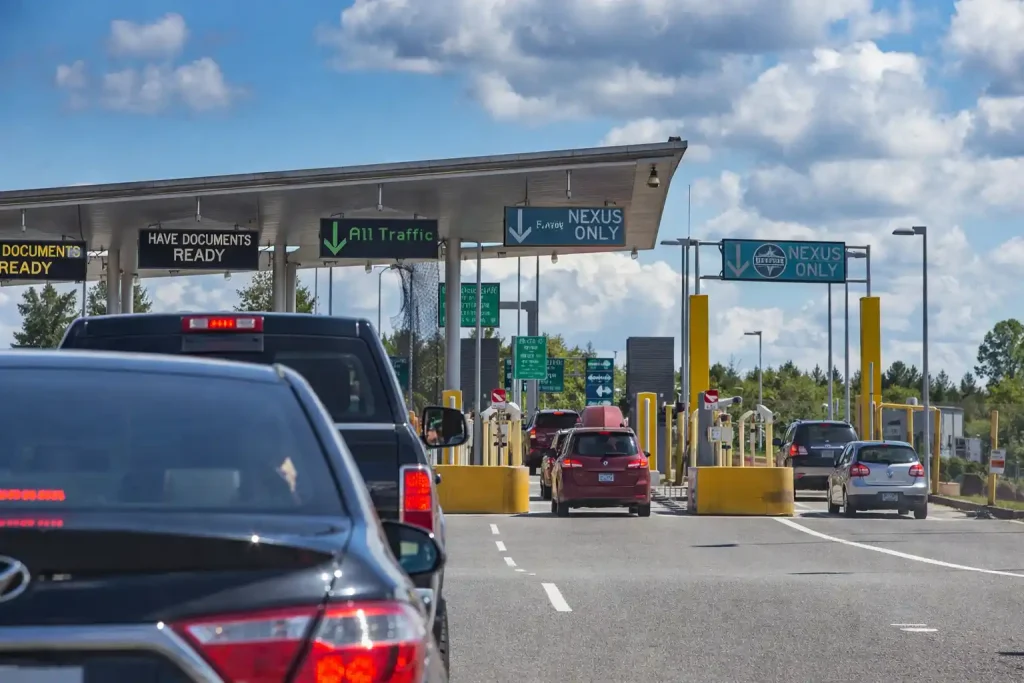
Cross-border meetings are the other clear use case. If your team regularly visits Vancouver offices or meets with Canadian clients, navigating Peace Arch or Pacific Highway isn’t casual. You need someone who understands border timing—that Tuesday afternoons move faster than Friday mornings, that NEXUS lanes aren’t always the time-saver they appear to be, that wait times swing from 15 minutes to 90 minutes based on factors most people don’t track. A Seattle Elite Town Car driver who runs these crossings weekly has pattern recognition you can’t get from Waze.
Bellingham companies also use car services when bringing in investors or board members. When you’re flying people in from Seattle or Portland to tour your facility, coordinated transportation from hotel to office to dinner isn’t just convenience—it signals operational competence. Small detail that matters when you’re asking for money.
Multi-day conferences get overlooked. If you’re hosting regional training at Hotel Bellwether or running strategy sessions that span two days, transportation for 8-12 people becomes its own project. The “where is everyone?” text chain eats time your team should spend on actual agenda items.
Template: Multi-Stop Meeting Day Template
Here’s what a realistic multi-location day looks like, with actual Bellingham timing:
7:00 AM – Pickup at Chrysalis Inn. Executive stayed downtown after dinner meetings. Driver texts five minutes out.
7:45 AM – Corporate office on Northwest Drive, internal team meeting. Driver confirms next pickup time, steps away. You’re paying for dedicated time, but they’re not hovering outside your conference room.
9:30 AM – Client facility near Bellis Fair (15 minutes with Guide Meridian traffic). Executive preps during the drive.
11:45 AM – Lunch at Boundary Bay Brewery, drop-off with 1:15 PM pickup confirmed.
1:15 PM – Bank meeting downtown, 10-minute drive.
3:00 PM – Hotel, executive changes and grabs materials for evening.
5:30 PM – Dinner meeting at Cliff House.
8:45 PM – Return to hotel.
The 15-minute estimates are conservative. Most Bellingham business district runs take 10-20 minutes, but you don’t want to calculate exactly 12 and then hit construction on Lakeway Drive.
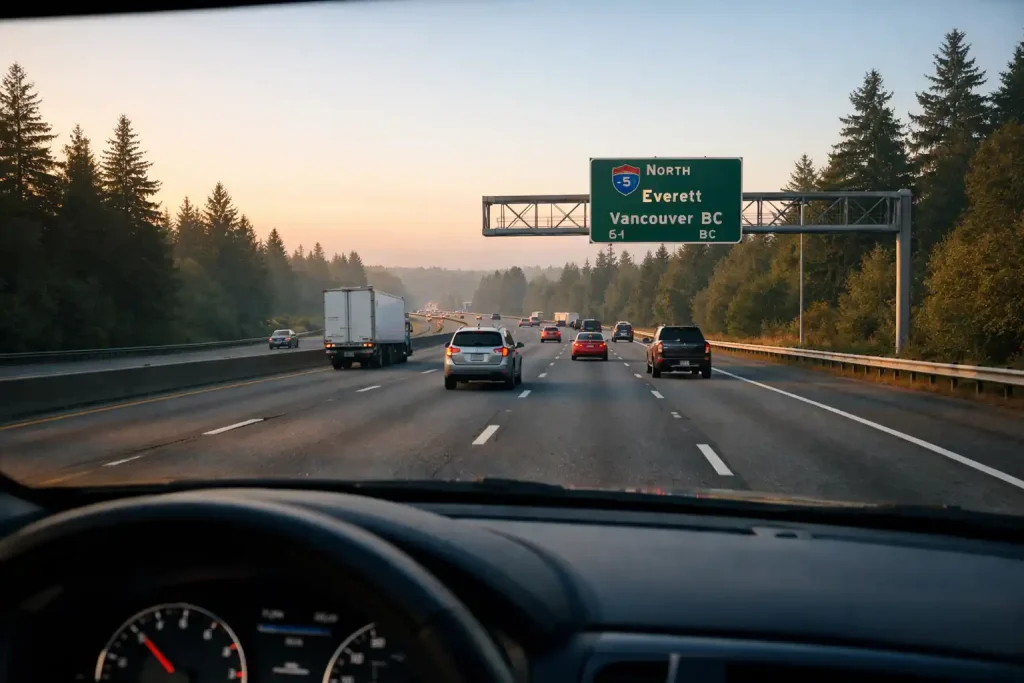
SeaTac days need different math—minimum 2 hours southbound, 2.5 during morning rush. Coming back north runs lighter except for afternoon I-5 through Everett and Marysville, which adds 30-45 minutes you can’t really predict.
This is hourly billing territory. Once you hit three stops, point-to-point pricing gets expensive and you lose flexibility for the inevitable “can we add one stop” moment.
Professional Details: Arrival, Signage, Discretion
Arrival timing should be five minutes early. Not twenty. Twenty minutes early creates awkwardness—your client is wrapping up their previous call, now there’s visible waiting happening. Five minutes means the vehicle’s in position when they walk out, without pressure.
Signage depends. Airport pickups usually get a name sign. Hotel pickups where your executive knows what vehicle to look for? Often unnecessary and overly formal. Some executives specifically request no signage for competitive reasons—they don’t want “XYZ Corp CEO” visible to anyone else in the terminal. More common than you’d expect. Good Bellingham town car service providers ask about this during booking instead of assuming.
Vehicle cleanliness is baseline. No yesterday’s coffee cups, no newspapers in the back seat. The standard here is higher than personal vehicles because you’re representing your company.
Conversation management matters. Some executives want silence to work or make calls. Others want restaurant recommendations or thoughts on the Bellingham real estate market. Professional drivers read this in the first two minutes. Passenger opens laptop? That’s the signal. Passenger asks about the route? They’re open to talking.
Privacy extends beyond the ride. Sensitive calls stay private. Unscheduled stops—maybe your executive asks to drive past a competitor’s facility—don’t appear in trip summaries or receipts.
Billing + Receipts: What Accounting Needs
Corporate accounting has specific requirements that personal transportation users never think about. Getting this wrong creates administrative friction that costs more than the ride.
Itemized receipts need to break out base fare, wait time, parking, tolls separately. “Transportation services – $247” makes expense reporting difficult and triggers follow-up questions.
Project codes or cost centers have to flow through to invoices. If your company tracks by client or department, your provider needs to handle these identifiers on receipts. Basic, but not universal.
Monthly consolidated billing beats per-trip invoicing for regular users. One January invoice covering all trips is easier to process than 15 separate transactions. The consolidated version still needs trip-level detail—date, passenger, route, amount.
Credit card processing should be automatic. “We’ll bill you later” creates reconciliation problems. Card on file with automated post-trip charging keeps things clean.
Trip confirmation emails serve as documentation. Pickup time, driver name, vehicle description. Your executive forwards to their assistant, who files with expense report. Simple but essential.
GST for cross-border trips needs correct handling. Vancouver transportation has tax implications that need proper documentation.
Some companies want detailed route information with pickup and drop-off addresses. Others prefer minimal information for confidentiality. Communicate this preference upfront instead of editing receipts retroactively.
Backup Plan: Flight Delays and Last-Minute Changes
Professional corporate transportation shows itself in how it handles problems, not smooth operations.
Flight tracking should be automatic. Executive landing at SeaTac on Alaska 713? The company monitors that flight and adjusts pickup accordingly. You shouldn’t call to say “flight delayed 45 minutes”—they should already know and have texted the revised time.
Flight tracking isn’t perfect though. If someone’s connecting through SeaTac from a delayed inbound, the outbound might show “on time” even while your passenger sprints through the terminal. Having a direct line to dispatch matters here. “Submit a ticket” doesn’t work when your CEO is on the ground and circumstances changed.
Driver wait time policies vary. Some companies include 30 minutes free for airport pickups, others charge after 15. For corporate travel where delays are common, this becomes real money. Know the rate structure before you need it.
Alternative routing comes up more around Bellingham than most cities because of I-5. Major accident between Bellingham and Seattle? Experienced drivers have options—Highway 9 through Sedro-Woolley, cutting over to Highway 20 in Burlington. These aren’t faster normally, but when I-5 is completely stopped, they’re the difference between missing and making your flight.
Vehicle substitution happens occasionally. Mechanical issues, illness, scheduling overlaps. Professional services notify you of changes and provide substitute vehicle details transparently. You don’t want your executive at baggage claim wondering why a different vehicle appeared.
Last-minute cancellations need clear policies. Cancel with two hours notice—what’s the fee? Many services waive fees for 24+ hour cancellations, charge 50% same-day, full rate for no-shows. Reasonable, but you need to know this before booking.
For critical trips—major client meetings, board presentations—some companies book backup transportation. Expensive, yes. But for that once-a-year shareholder meeting where everything must work perfectly, it’s insurance. Most never need this. For the annual high-stakes event, it eliminates one category of risk entirely.
FAQ
For that multi-stop template example—is that hourly billing or per-stop?
That 7 AM to 8:45 PM day would be hourly, likely 8-hour minimum with the vehicle dedicated to your executive. Point-to-point billing makes sense for single airport runs, but once you hit 3+ stops, hourly almost always costs less and eliminates the “can we add one more stop?” negotiation mid-day.
You mentioned backup transportation for critical meetings. What does that actually cost?
You’re paying for a second vehicle on standby, so essentially double. Most companies never do this. But if you’ve got board members flying in from three cities for a shareholder meeting in Bellingham, and everything collapses if one person doesn’t make it, the $800 backup cost is nothing compared to rescheduling a board meeting.
How do I actually communicate the “no signage” preference you mentioned?
When you book, just note it: “Executive prefers no name sign, vehicle description only.” Driver texts when positioned—”Black Suburban, north exit door” or whatever. Takes five seconds to specify, saves the awkwardness of your CEO walking past a sign with their name while competitors are in the same terminal.
What paperwork does the driver need for Vancouver cross-border trips?
Commercial drivers have FAST cards or enhanced licenses for regular border work. Your passenger needs valid passport, nothing special required. The timing variance you mentioned—15 minutes to an hour—is the real consideration. I assume drivers build buffer into Vancouver schedules?
Seattle Town Car provides corporate transportation throughout the Puget Sound region including dedicated service to Bellingham and surrounding areas. For booking information or to discuss your company’s specific transportation needs, contact us directly.