










Table of Contents
- Understanding SeaTac’s Layout
- Where You’ll Actually Find Your Airline
- Getting Around Without Getting Lost
- The Security Line Reality
- TSA PreCheck vs Clear: What Actually Makes Sense
- Things I Wish Someone Had Told Me
- Quick Answers to Common Questions
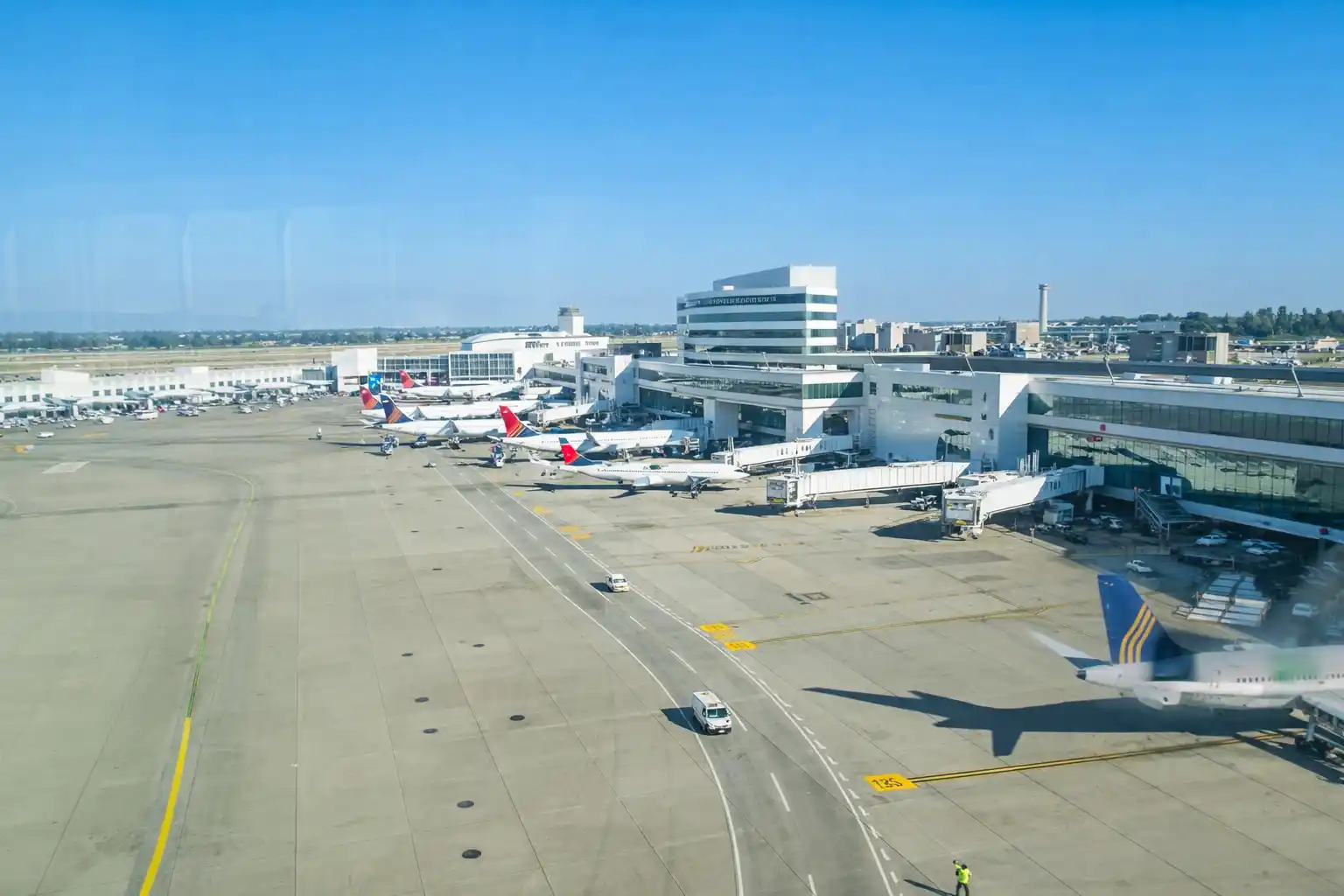
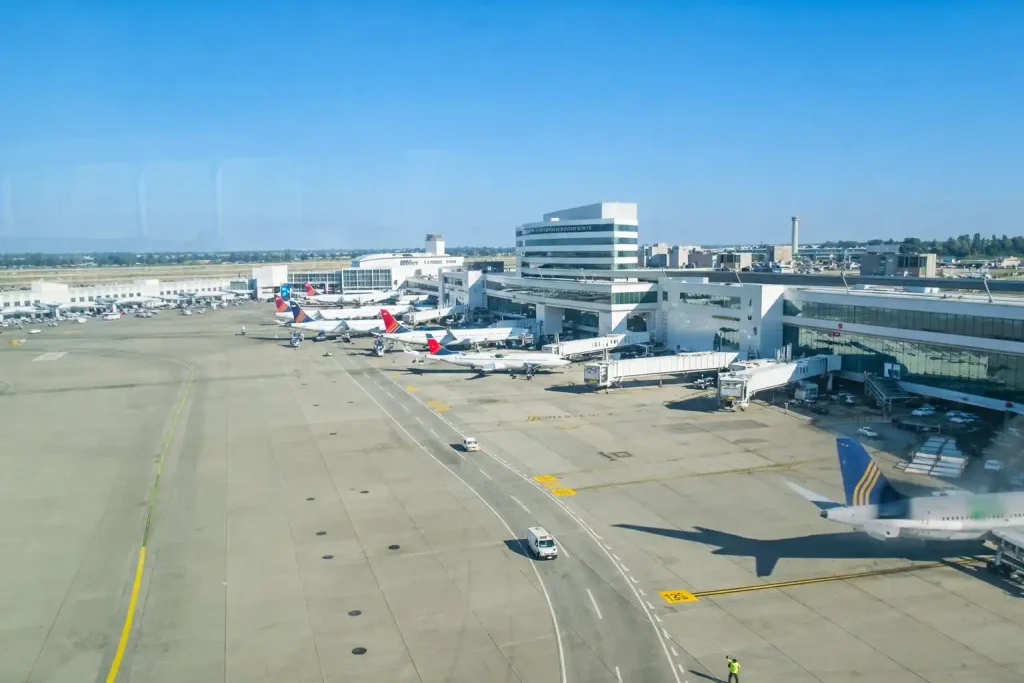
Flying through Seattle-Tacoma International Airport and worried about finding your gate? I get it. Even after dozens of trips through SeaTac, I still see confused travelers staring at departure boards, trying to figure out why their gate starts with an “N” and there’s no Concourse N in sight.SeaTac isn’t complicated once you understand the layout, but nobody explains it in plain English. You’ve got one main terminal, four regular concourses, two satellite terminals, and an underground train. Sounds confusing? It’s actually pretty straightforward once someone walks you through it.
Whether you’re catching an Alaska Airlines flight to Boise, connecting through Seattle on your way to Tokyo, or just trying to figure out if 45 minutes is enough time to make your connection, this guide breaks down everything you need to know about navigating SeaTac without the stress.
Understanding SeaTac’s Layout
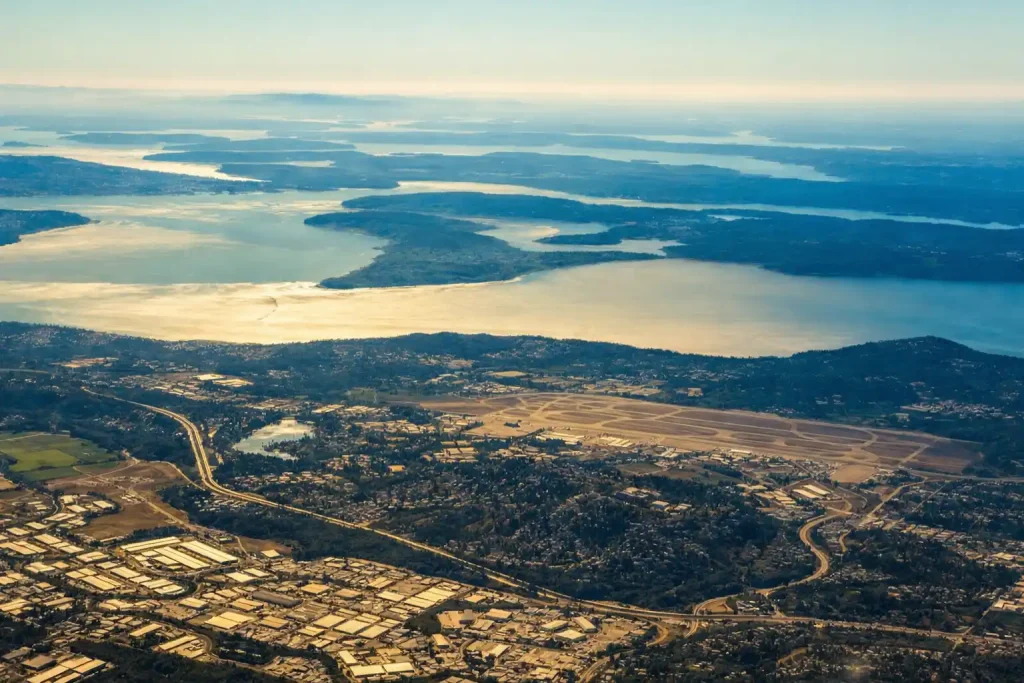
Think of SeaTac like a hand – the main terminal is your palm, and five fingers extend from it. Four of those fingers (Concourses A, B, C, and D) you can walk to. The other two (North and South Satellites) require a quick train ride.
The main terminal is where everything starts. All the airline check-in counters are here. All the security checkpoints feed into this area. When you land and need your luggage, you come back here. Ground transportation – taxis, town cars, Uber pickup, rental car shuttles – all at the main terminal.
After you clear security, you’ll find yourself in a central area with shops and restaurants. From here, the airport branches out in different directions. Turn left and you’re heading toward Concourses A and B. Turn right and it’s C and D. Need the satellites? You’ll see signs directing you down to the train.
The satellites – North and South – are separate buildings. You can’t walk to them. The underground automated train runs between the main terminal and both satellites. It’s free, runs every 2-4 minutes, and takes about 2 minutes to reach each satellite. The train is actually kind of cool – completely automated, smooth ride, big windows where you can see the tunnel lights fly by.
Why do satellites even exist? SeaTac needed more gates but couldn’t expand the main building further. So they built separate structures connected by train. Works well once you know what to expect.

Where You’ll Actually Find Your Airline
Nothing’s more frustrating than assuming your gate is a quick walk, then discovering you need to catch a train.
After security, if you veer left, you’re walking into Delta and Southwest territory – that’s Concourses A and B. Nothing fancy, just the usual domestic carriers shuffling passengers to Phoenix, Denver, Portland. United’s got some gates here too. These are the shorter concourses, which is nice. Gate A8 is maybe a 7-minute walk from security. B gates stretch a bit further, maybe 10 minutes to the far end.
Hang right instead and you’re entering Alaska Airlines land. Concourse C is basically their home base, and since SeaTac is one of their biggest hubs, you’ll see Alaska gates everywhere here. It’s also the longest concourse you can walk to – if you’re stuck down at C18, that’s a solid 12-15 minute hike from security. Not terrible if you’re not in a rush, but don’t dawdle if you’re cutting it close.
Keep going past C and you’ll hit Concourse D, which is where things get international. Air France, British Airways, Lufthansa – the overseas carriers claim this space. Alaska runs some international flights from here too. This concourse also handles international arrivals, so if you’re landing from abroad, you’ll clear customs in D before heading to baggage claim. Walking time to the far D gates runs about 10-12 minutes from security.
Now, those N and S gates that confuse everyone. North Satellite is primarily Alaska overflow – when Concourse C fills up, they spill into N. Some international Alaska flights too. From the time you leave security to the time you reach your N gate, budget 10-15 minutes. That includes walking to the train station, waiting for the train (usually under 3 minutes), the 2-minute ride, and walking to your specific gate.
South Satellite is the real international hub. Most long-haul carriers operate from here. It’s also the furthest point from security. Door-to-gate time: 15-20 minutes realistically. The satellite itself is large, so even after the train ride, you might have a decent walk to your specific gate.
One thing nobody tells you – airlines shift gates. Alaska might move a flight from C to N if there’s a scheduling conflict. Delta might use B instead of A on a busy day. Your boarding pass is gospel. Always check it, and check it again at the airport displays if your flight is more than a couple hours away. I’ve walked all the way to Gate C17, settled in with my coffee, only to look up and see my flight’s been moved to N5. That’s the SeaTac shuffle, and it happens more than you’d think.
Getting Around Without Getting Lost
So you’ve located your concourse. Now how do you actually get there?
For A, B, C, and D, it’s straightforward after you clear security. You’ll see directional signs – “Gates A & B →” or “Gates C & D →” – and you just walk. The whole route is indoors, climate-controlled, on flat surfaces. Moving walkways help in some sections, though honestly they’re often so crowded with people standing still that walking beside them is faster.
A normal walking pace, not rushing, not stopping for coffee: figure 5-10 minutes to A gates, 7-12 to B, 10-15 to C, 10-15 to D. Add 5 minutes if you’re traveling with kids or dragging multiple carry-ons. The moving walkways exist but don’t count on them saving much time.
The satellites work differently. From the central area after security, follow signs for “N Gates” or “S Gates” or just “Satellites.” You’ll take an escalator or elevator down one level to the train platform.
The platform setup is dead simple. Trains alternate between North Satellite and South Satellite. Digital signs tell you which train is coming next and when. You can’t take the wrong train because each one only goes to one satellite, then returns. No driver, completely automated, runs every 2-4 minutes during busy times. The ride takes exactly 2 minutes to each satellite. It’s smooth, quiet, actually kind of enjoyable.
Total time from security to your satellite gate – North runs about 10-15 minutes, South about 15-20 minutes. That’s everything – walking to the train, waiting, riding, then walking to your specific gate within the satellite.
One thing that catches people off guard: the satellites are bigger than you think. Gate S1 and Gate S20 are a solid 5-minute walk apart within the satellite itself. Don’t assume “I’m at the satellite, I’m at my gate.” Check the signs when you get off the train.
Connecting flights stress people out unnecessarily. If both your flights are after security – which is most connections – you’re fine. You don’t leave the secure area. Just walk or train to your next gate.
Landing at N7, departing from C12? Twenty-five to thirty minutes is doable. Train back to main, walk to C. Not relaxing, but doable. Landing at D4, departing from B8? Twenty minutes is enough. Simple walk. Landing at S15, departing from A3? Thirty minutes is cutting it close. Train back, long walk to A. I’d be nervous.
If you need to collect bags and recheck them, now you’re leaving security, going to baggage claim, rechecking bags, and going through security again. Minimum 60-90 minutes. This is rare for domestic connections but common if you’re arriving internationally.
Airlines won’t book you on a connection they don’t think you can make. If your itinerary shows a 35-minute connection at SeaTac, they believe it’s possible. But “possible” and “comfortable” are different things. My personal rule: I like 45 minutes minimum for same-concourse connections, 60 minutes if I’m changing concourses, 75-plus if satellites are involved. Am I overly cautious? Maybe. Have I ever missed a connection at SeaTac? Never.
SeaTac’s actually pretty good for accessibility. Elevators at every level change. Moving walkways, though you can bypass them. The train is completely level boarding – no steps. Wheelchair assistance available if you request it when booking. Wider corridors than older airports. The satellites are sometimes easier because the train eliminates the long walk. If walking Concourse C end-to-end sounds daunting, an N gate with a train ride might actually be preferable.
The Security Line Reality
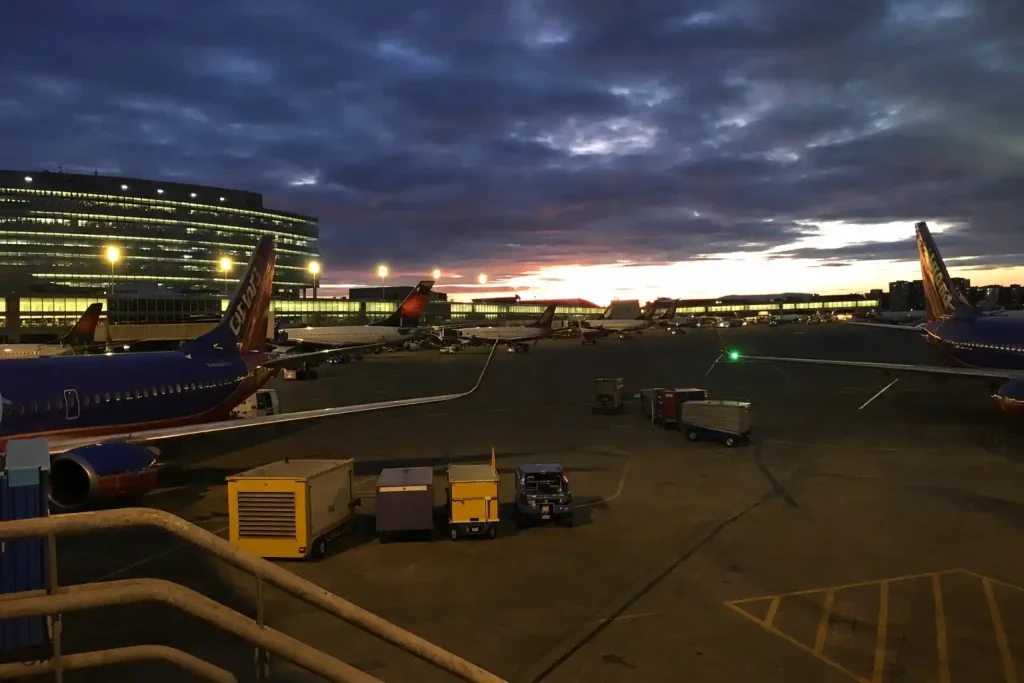
Let’s talk about the elephant in the terminal: security wait times at SeaTac are unpredictable, often long, and occasionally infuriating. I’m not going to sugarcoat this. SeaTac security can be brutal.
Hit security at 2pm on a Wednesday? You’ll probably breeze through in 20 minutes. Show up Monday morning at 6am for a business trip? You’re looking at an hour minimum, maybe more if TSA decided to staff half the lanes that day. I’ve stood in that line watching my departure time creep closer, doing the math on whether I’ll make boarding. I once waited 75 minutes on a Monday morning in June. But I’ve also walked through in 15 minutes on a random Tuesday afternoon.
Monday mornings are consistently brutal. Everyone with a 6am flight shows up between 4:30-5:30am, and suddenly you’ve got 500 people trying to funnel through the same checkpoints. The 5-7am window is the worst. After 9am it calms down. Then another surge around 11am-1pm for midday flights. Evening after 7pm is usually reasonable unless there’s a wave of West Coast departures.
Friday afternoons get ugly too – everyone trying to escape for the weekend. Sunday evenings fill up with weekend travelers heading home. Wednesday and Saturday tend to be calmer. Holiday weekends? Forget about it. I once waited 90 minutes the Wednesday before Thanksgiving. The line literally wrapped around the check-in area.
Summer – June through August – is peak tourist season, so expect crowds. December holidays are chaos. January and February? Honestly pretty manageable. September after Labor Day through mid-October is often the sweet spot. Decent weather, fewer crowds, schools back in session.
Then there’s TSA staffing, which is the real wild card. Some days every lane is open and lines move fast. Other days half the lanes are closed and it’s a mess. You have no way to know in advance. Add in random bad luck – someone’s bag triggers additional screening, computer system goes down for 10 minutes – and suddenly the whole line stops moving.
So when should you actually arrive?
TSA and airlines recommend 2 hours early for domestic flights, 3 hours for international. Is that overkill? Sometimes. Is it necessary? Also sometimes.
For domestic flights during off-peak times, 90 minutes is plenty. Normal times, 2 hours gives you buffer. Peak times or holidays, 2.5 hours if you’re risk-averse. If you have TSA PreCheck, subtract 30 minutes from all of that. For international flights, add an hour to everything.
I’ve made flights arriving 45 minutes before departure. I’ve also stood in security for an hour watching my departure time get closer. The difference? TSA PreCheck and pure luck on timing.
If missing your flight would be catastrophic – wedding, funeral, important meeting – arrive early. If you’re flexible and wouldn’t mind rebooking, you can cut it closer. But remember, airlines don’t hold flights for people stuck in security.
TSA PreCheck vs Clear: What Actually Makes Sense
Let’s cut through the marketing and talk about what these programs actually do at SeaTac.
TSA PreCheck costs $78-85, lasts 5 years. You apply, get a background check, receive a “Known Traveler Number” that you add to your flight reservations. When you check in, your boarding pass says “TSA PreCheck” and you use a separate, faster security lane.
In the PreCheck lane, you keep your shoes on. Keep your belt on. Laptop stays in your bag. Liquids stay in your bag. Light jacket stays on. You still empty your pockets and walk through the metal detector. Occasionally you get randomly selected for additional screening, but it’s rare.
At SeaTac, the PreCheck lanes are clearly marked at the main terminal security checkpoint. During busy times, the regular line might be 60-plus minutes while PreCheck is 5-10 minutes. During slow times, the difference is smaller but still noticeable.
The math is simple. Say you fly through SeaTac twice a year for 5 years – that’s 10 trips total. If PreCheck saves you 20 minutes per trip, that’s 200 minutes saved. You’re paying about $8 per trip to save 20-plus minutes and avoid the hassle of unpacking your bag.
If you fly twice a year or more, it’s absolutely worth it. Pays for itself quickly and the stress reduction is real. If you fly once every two years, probably not worth it financially, but still nice to have. If you’re a business traveler flying weekly, you should have gotten this years ago.
Clear is different. You pay $189 per year. You scan your eyes or fingerprint at a Clear pod. A Clear employee walks you past the ID check line directly to the metal detector or scanner.
Important part: Clear does NOT replace security screening. It only skips the ID verification line. You still go through the full screening process unless you also have TSA PreCheck.
At SeaTac, Clear has dedicated pods near the security entrance. When it works well, you walk up, scan your biometrics, get escorted to the front. When it doesn’t work well, the biometric scanner has issues or there’s a line at the Clear pod itself.
You’re paying about $16 per month for this service. If you fly through SeaTac twice a month – 24 times a year – you’re paying about $8 per trip. Clear typically saves you 5-15 minutes at SeaTac during busy times, specifically the time you’d spend in the ID check line. But you still wait for actual screening.
For most people, it’s not worth it. TSA PreCheck alone is the better value. For frequent business travelers flying weekly, maybe – if your time is worth $100-plus per hour and you’re constantly rushing to make flights, Clear can help. For occasional travelers flying a few times a year, definitely not worth it. Just arrive earlier.
The combo – PreCheck plus Clear – is the fastest possible route through SeaTac security. Clear skips the ID line, PreCheck gives you expedited screening. Combined, you can go from security entrance to gates in under 5 minutes during busy times. Total cost: $267-274 per year first year.
Who should get both? Weekly business travelers who value every minute. People with more money than patience. Airline status holders who get Clear discounted or free. Who shouldn’t bother? Anyone flying less than monthly. Budget-conscious travelers. People who don’t mind arriving at the airport earlier.
I have TSA PreCheck. I don’t have Clear. PreCheck has saved me countless hours and stress over the years. Clear would save me maybe 5-10 extra minutes per trip, which doesn’t justify the cost for me personally.
If you fly through SeaTac more than twice a year and don’t have TSA PreCheck, stop reading this article right now and go apply. It’s the single best airport life improvement you can make. Clear? Only if you’re flying constantly and money isn’t a concern. Neither? That’s fine too. Just build in extra time and bring a good podcast to listen to while you wait in line.
Things I Wish Someone Had Told Me
After years of connections through SeaTac, here are things that would’ve been useful to know on my first trip. First – and this seems obvious in retrospect – arrange your transportation to the airport before you stress about terminal navigation. Whether you’re looking at Seattle airport transportation services or deciding between options for getting to SeaTac, book something reliable. I’ve seen people nail the logistics of finding Gate N14 but completely forget they have no ride to the airport. Town car, Uber, light rail – whatever you choose, sort it out first. Then worry about gates.
Not all gate areas are created equal. The central food court after security gets insanely crowded during peak times. Everyone congregates there. Walk to your gate area instead. The Alaska lounge area near C8-C10 has decent seating even if you’re not going to the lounge. Big windows, relatively quiet. The international gates in D have newer seating and less crowding until departure time. Gates D6-D8 area has good natural light. In the North Satellite, there’s a small quiet section near gate N7 that most people walk past. If you’re early and want peace, look for it.
Charging stations at every gate area fill up fast. Pro move: look between gates instead of at gates. The hallway areas between gate waiting zones often have outlets that people overlook. The newer satellites – N and S – have USB charging ports built into seats. Concourses A through D are hit or miss. Some seats have power, many don’t.
The central food court after security has the most options but the longest lines. If you’re in Concourse C or the satellites, there are smaller food options that are often faster. Most airport food is overpriced and mediocre anyway. If you have time before security, there’s a food court in the main terminal – pre-security – that’s slightly cheaper. Or just bring snacks.
Bathrooms right after security are always packed. Walk 2 minutes toward your gate and use the first bathroom you see – way less crowded. The satellite bathrooms are generally cleaner and less busy than main terminal bathrooms.
Arrived 3 hours early for a domestic flight and now you’re bored? You can’t go back through security to leave without going through it again. Find a quiet gate area away from the crowds. Some people actually prefer hanging at the airport – free WiFi, charging stations, food available. The satellite terminals have decent views of the runways if you’re into plane watching.
Gate agents generally know about delays before the departure boards update. If you suspect something’s wrong, ask at the gate desk. If you’re delayed significantly, check if there are alternative flights. Alaska typically has multiple flights to popular destinations – sometimes you can switch to an earlier or later flight if there’s space.
Always check the departure boards periodically, especially if you’re more than an hour early. Gates change after you’ve walked all the way to them more often than you’d think. Nothing worse than settling in at Gate C17 only to discover 20 minutes before boarding that they’ve moved you to Gate N5.
If you’re picking someone up who’s arriving internationally, don’t expect them immediately after the flight lands. They have to deplane – 15-20 minutes if they’re toward the back. Walk or train to Concourse D customs area – 5-10 minutes. Clear immigration – anywhere from 15 to 60 minutes depending on how many flights landed. Collect baggage – 10-20 minutes. Clear customs – 5-15 minutes. Walk to ground transportation – 10 minutes. Total realistic time from wheels down to your car: 60-90 minutes minimum, sometimes 2-plus hours if multiple international flights land simultaneously.
SeaTac rarely has weather delays. Seattle weather is rainy but rarely severe. Fog can occasionally cause issues on winter mornings. If you’re connecting through from somewhere with weather – Chicago snow, Denver blizzard – expect delays. Summer can be stuffy though. SeaTac doesn’t have great air conditioning in all areas, and concourses get warm on hot days. Rare, but it happens.
Quick Answers to Common Questions
How many terminals does SeaTac have?
One main terminal with four connected concourses – A, B, C, D – plus two separate satellite terminals, N and S. It’s all one terminal complex even though the satellites need a train.
How long to walk from security to the furthest gate?
For walking concourses, 10-15 minutes. For satellites with the train, 15-20 minutes total.
Which concourse is Alaska Airlines?
Mostly Concourse C and North Satellite. They’re everywhere at SeaTac since it’s a major hub, but C is home base.
How early should I arrive?
Domestic flights: 2 hours is safe, 90 minutes works during off-peak. International: 3 hours. Add extra time during holidays, Monday mornings, Friday afternoons.
How long is security?
Depends completely on timing. Off-peak: 15-30 minutes. Busy times: 30-60 minutes. Peak chaos like early Monday or holidays: 60-90-plus minutes. TSA PreCheck drops this to 5-15 minutes regardless.
Is TSA PreCheck worth it?
Yes if you fly twice a year or more. $78-85 for 5 years pays for itself fast. Saves 20-30-plus minutes during busy times at SeaTac.
PreCheck vs Clear – what’s the difference?
PreCheck costs $78-85 for 5 years, expedited screening, keep shoes and laptop situation simple. Clear costs $189 per year, biometric ID skip but regular screening. PreCheck is way better value for normal travelers.
How do I get to N or S gates?
Underground train from main terminal. After security, follow “Satellite Gates” signs. Train runs every 2-4 minutes, takes 2 minutes to each satellite.
Where are international flights?
Mostly Concourse D and South Satellite.
Can I walk between all gates?
You can walk A, B, C, D after security. North and South satellites require the train – no walking path.
Bottom Line
SeaTac confuses first-time visitors. The satellite terminals throw people off. Security wait times swing wildly. The size means more walking than you expect. But follow the signs, allow extra time during peak hours, and check your gate location before you head to the airport. The train to the satellites is straightforward once you find it. TSA PreCheck is worth the investment. If you’re connecting through SeaTac, 45-60 minutes is usually fine unless satellites are involved.
You’re not going to get lost. The airport has information desks, volunteers in red jackets, clear signage everywhere. If you’re confused, ask someone. We’ve all been the person staring at a departure board trying to figure out where Gate N14 is.
Now you know: take the train.
Safe travels.