Seattle Ferry Terminals: Drop-off & Pick-up Plan That Works
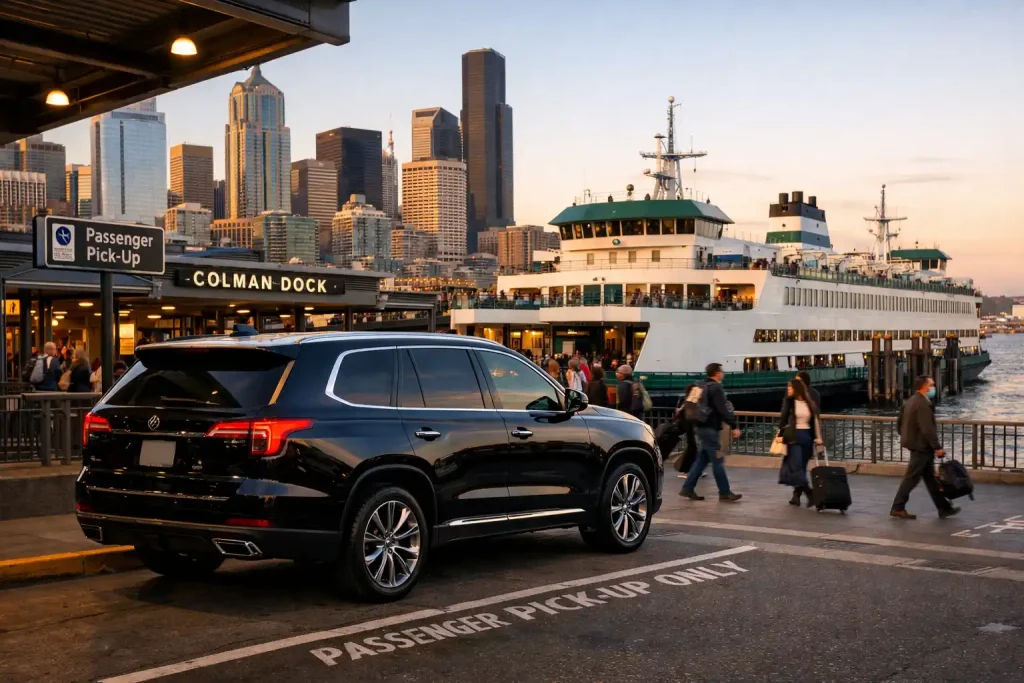
Planning event transportation in Seattle with ferry pickups? Learn the exact staging locations and timing buffers that eliminate chaos at Colman Dock and Fauntleroy terminals.
Day Trip to Snoqualmie Falls from Shoreline: Timing + Itinerary
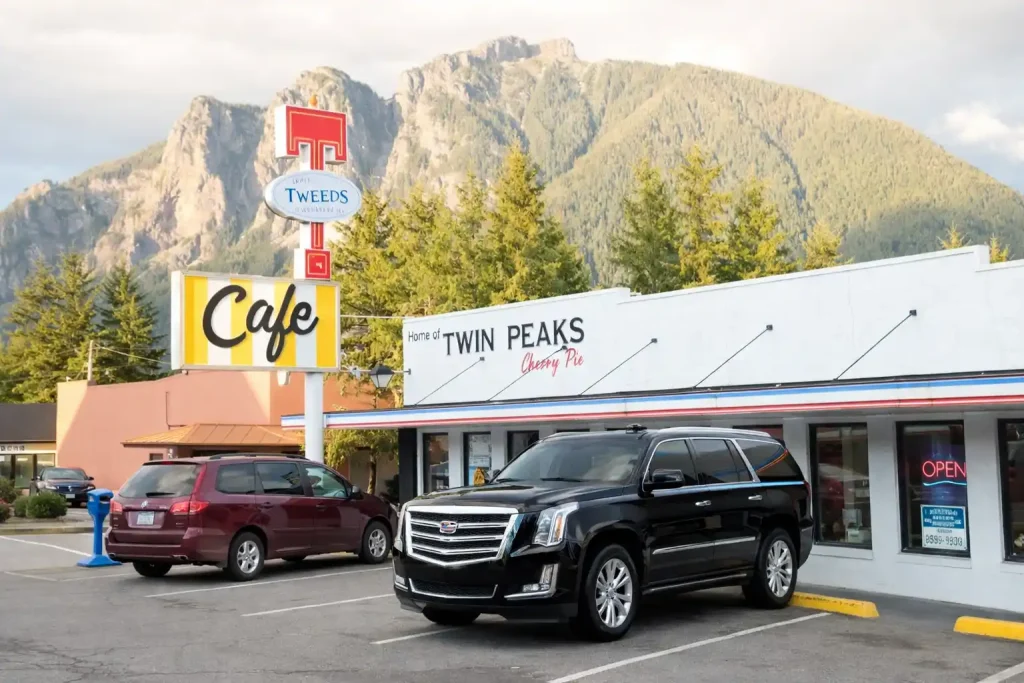
Snoqualmie Falls sits 35 miles from Shoreline—close enough for a solid day trip. Best timing, 3-stop itinerary, and why hourly booking beats point-to-point.
Everett to SeaTac: Late-Night Arrivals
Getting to SeaTac for red-eye flights from Everett means dealing with empty highways and questionable timing. Here’s how to make late-night airport runs work without the usual stress or guesswork.
Town Car vs Uber/Lyft in Seattle: What to Choose (and Why)
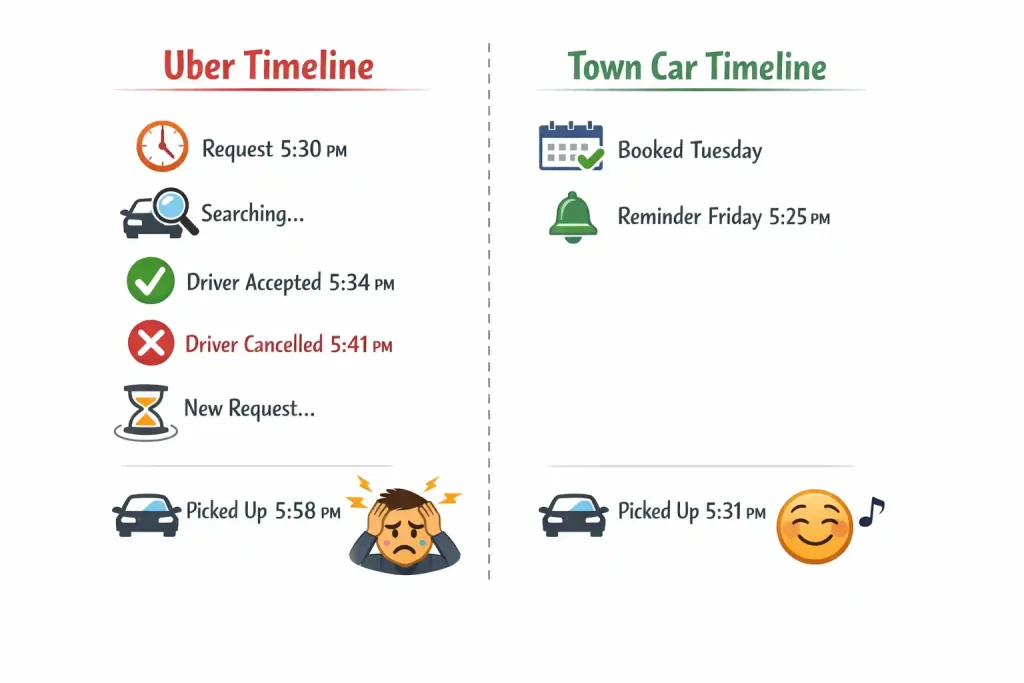
Real Seattle comparison: town car vs Uber with actual surge pricing examples, reliability during rush hour, and honest advice on when each option makes sense.
Corporate Transportation in Kirkland: A Practical Playbook
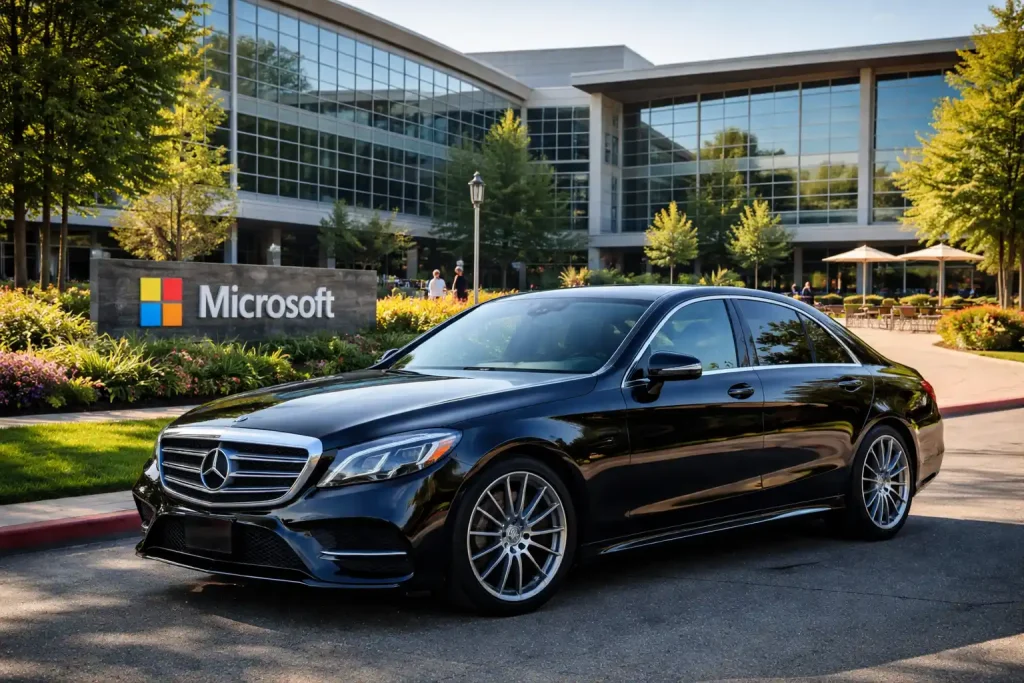
Practical guide to corporate car service in Kirkland: real scenarios, timing, billing details, and backup plans for executive transport between Sea-Tac, Microsoft campus, and client meetings.
Day Trip to Woodinville Wineries from Redmond: Timing + Itinerary

Day Trip to Woodinville Wineries from Redmond: Timing + Itinerary Guide
Excerpt: Planning day trips from Redmond? Woodinville’s wine country is just 15 minutes away. Here’s the perfect timing, 3-stop itinerary, and what to book for a stress-free tasting experience.
Bellevue to Downtown Seattle: Pickup Spots That Avoid Traffic
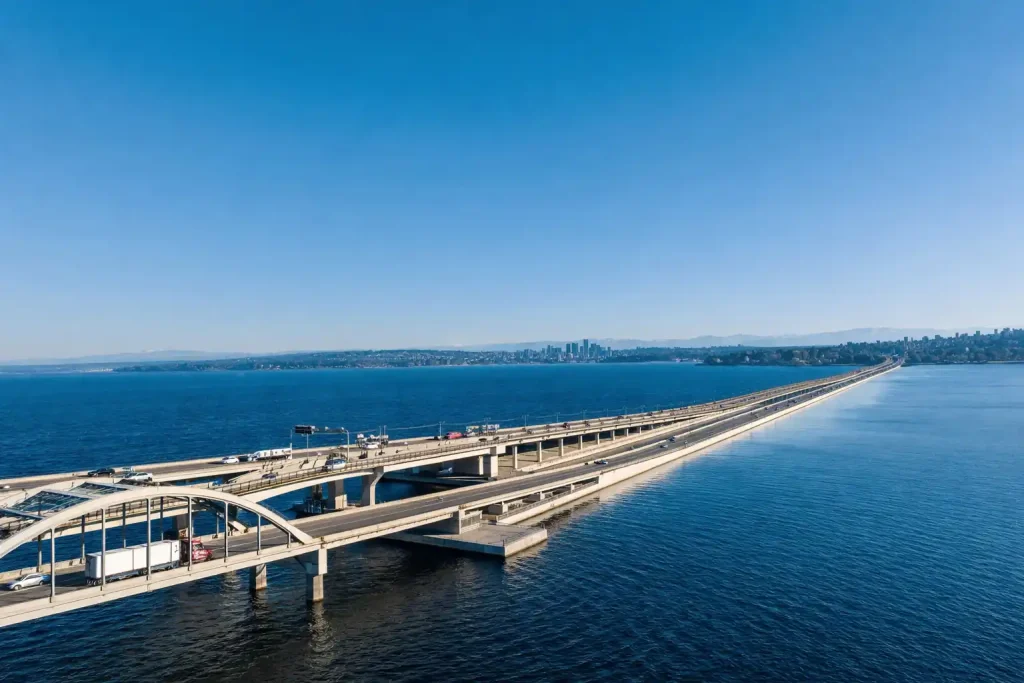
Wrong Bellevue pickup spot costs 10 minutes before you hit the freeway. Town car service drivers share which locations actually avoid traffic to downtown Seattle.
Day Trips from Renton: Exploring the Eastside and Beyond
Renton’s location unlocks waterfall hikes, wine country, and Seattle attractions—all within 40 minutes. Discover why this Eastside city makes the perfect base for exploring mountains, urban culture, and everything between without the downtown chaos.
Day Trips from Tacoma: Where to Go and How to Get There

The glassblower pulled a molten orange blob from the 2,000-degree furnace, and within twelve minutes I watched it transform into a translucent jellyfish, complete with flowing tentacles. No photograph could capture the waves of heat rolling across the amphitheater or the collective intake of breath when the piece nearly slipped from his tools. This is Tacoma’s advantage—you’re close enough to witness moments like this without planning a major expedition. Within two hours of leaving your door, you can stand in alpine meadows carpeted with wildflowers, watch master craftsmen shape fire into art, or find yourself on a harbor pier where sailboats rock gently against weathered docks. Whether you’re a Tacoma local or flying into the region for business, these destinations offer remarkable escapes from the everyday. Many visitors arrange SeaTac airport transportation directly to Tacoma as a base for exploring the Puget Sound, discovering that this city’s central location opens doors to experiences you won’t find anywhere else. Here’s where to go when you need to escape the everyday, along with the insider knowledge that makes each trip exceptional. Point Defiance Zoo & Aquarium: Worth the Morning Rush Forget everything you think you know about “just another zoo.” Point Defiance’s 29-acre grounds wind through old-growth forest, and the exhibits feel less like cages and more like you’ve stumbled into different ecosystems. The Pacific Seas Aquarium puts you face-to-face with a giant Pacific octopus—watch long enough and you’ll see it solve puzzles with unsettling intelligence. The red wolf exhibit is the real showstopper. These critically endangered animals once roamed throughout the Southeast, and fewer than 20 remain in the wild. Point Defiance participates in the breeding program, and if you time your visit right (weekday mornings around 11 AM during feeding), you’ll see behaviors that bring textbooks to life. The insider move: Skip the main parking lot entirely. Everyone heads there first, creating a bottleneck by 9:30 AM on weekends. Instead, arrive when the gates open at 9 AM, or better yet, plan your visit for a Tuesday or Wednesday when the crowds thin to almost nothing. The animals are more active in cooler morning temperatures anyway. Families with young children quickly discover that navigating parking lots with strollers, diaper bags, and everything else required for a day out becomes its own expedition. Some visitors simply arrange drop-off and pickup—let someone else circle for spots while you head straight to the entry plaza. Don’t leave without: Checking out the jellyfish in the Pacific Seas building. The lighting creates an almost hypnotic effect as they pulse through the water. Museum of Glass: Where You Feel the Heat Downtown Tacoma’s Museum of Glass makes you reconsider what qualifies as art. The Hot Shop Amphitheater forms the building’s heart—a 90-foot cone where artists work with material that begins as sand and transforms into sculpture through skill, timing, and controlled violence. Here’s what surprised me: the heat. Even sitting in the amphitheater’s back rows, you feel waves of warmth rolling from the glory hole (the reheating furnace). The artists move in choreographed patterns, spinning pipes, shaping glass with wet newspaper, making split-second decisions because once glass cools below working temperature, that’s it. Start over. The demonstration pieces change constantly. One morning’s delicate bird becomes afternoon’s abstract bowl. Artists work without nets—occasionally pieces shatter, returning immediately to raw material. That risk, that immediacy, makes this feel alive in ways traditional museums rarely achieve. Timing matters: The Hot Shop runs demonstrations most days, but schedules vary. Wednesday through Sunday typically sees the most activity. Call ahead or check their website—watching the process beats viewing finished pieces by a mile. The museum sits downtown where parking runs $12-15 for the day, and the waterfront restaurants within walking distance (Asado for steak, Indochine for Vietnamese) mean you’ll want flexibility moving between venues. A chauffeur service in Seattle and Tacoma makes downtown navigation seamless—your driver knows exactly where to drop off and pick up while you debate whether to try that new cocktail spot on Pacific Avenue. Pro tip: The Museum Store sells work by Pacific Northwest glass artists at prices well below gallery rates. If something catches your eye, buy it—pieces sell out quickly. Gig Harbor: When You Need Salt Air Cross the Tacoma Narrows Bridge on a clear day and you understand why people fight traffic to live in Gig Harbor. The water shifts from steel gray to brilliant blue depending on cloud cover, and the bridge towers rise like modern monuments above the strait where strong currents carved the channel. The harbor itself remains working water—sailboats, fishing vessels, and pleasure craft share the bay while the downtown waterfront crowds with shops and galleries. This isn’t artificially quaint; Gig Harbor earned its character through decades as an actual fishing village, and enough of that practical spirit survives beneath the boutique veneer. Eat here: The Green House (locals call it “the GH”) doesn’t look like much from outside, but they’ve been serving Dungeness crab and blackened salmon since before farm-to-table became trendy. Sit on the deck if weather permits. If the wait exceeds 30 minutes, walk over to Devoted Kiss Café for surprisingly excellent espresso and watch boats navigate the narrow harbor entrance. The walking route: Start at Skansie Brothers Park, follow the waterfront path along Harborview Drive, then loop back through downtown on Judson Street. Total distance: about two miles. You’ll pass working docks where commercial fishermen still tie up alongside recreational boats. Street parking downtown maxes out at two hours, which feels restrictive when you’re browsing galleries and considering a waterfront lunch. Many visitors find that hourly town car service solves this elegantly—your driver waits while you explore, or returns at a set time, eliminating the parking meter countdown entirely. The bridge toll ($6.25 westbound) adds another layer of logistics that simply disappears when someone else handles the details. Hidden find: Gig Harbor Brewing Company operates a taproom downtown with a rotation of beers you won’t find in Seattle. The Riptide Red remains their flagship for good reason. Mount Rainier: When You Need Perspective There’s something about driving toward
SeaTac Airport Transportation Guide 2026: Every Option Compared

Watched someone lose it over $110 Uber surge at SeaTac baggage claim. After sixty flights, here’s what every transportation option actually costs and when each makes sense – from $3 light rail to $110 town cars.
Tacoma: Why Seattle’s Sister City Deserves Your Attention

Tacoma’s changed a lot in 20 years. From someone who drives there constantly: why this overlooked city is worth your attention, where to go, and why it makes sense as a home base for exploring the Puget Sound region.
Paine Field vs SeaTac: Which Airport Should You Choose?

My neighbor in Lynnwood kept telling me I should try flying out of Paine Field instead of driving all the way to SeaTac. I didn’t believe her – I mean, how good could a tiny airport in Everett really be? Then I had a trip to Phoenix and figured I’d give it a shot. Twenty minutes from my house to the gate. No joke. I was at my gate with a coffee in hand faster than it usually takes me just to get through SeaTac security. Now look, Paine Field isn’t going to work for everyone. If you’re flying to New York or Paris or basically anywhere Alaska Airlines doesn’t go, you’re stuck with SeaTac. But if you live north of Seattle and you’re heading to certain West Coast destinations, this smaller airport might actually be the smarter choice. Table of Contents: ✈️ Size Reality Check 🛫 Who Flies Where (This Is Important) 🚗 Drive Time From Different Areas 🅿️ Parking Costs and Reality 🏠 Why North End Residents Love Paine Field 🍽️ Food, Shopping, and Amenities ⚠️ Honest Downsides of Paine Field 💡 So Which Airport Should You Actually Choose? 🔮 The Future of Paine Field ❓ Questions People Keep Asking ✈️ My Final Take ✈️ Size Reality Check Let’s get this out of the way first – Paine Field is tiny compared to SeaTac. We’re talking three gates versus like ninety-something. The whole terminal is smaller than one concourse at SeaTac. You can walk from the parking lot to your gate in maybe five minutes if you’re moving slow. SeaTac handled over 52 million passengers in 2024. Paine Field? Around 580,000. That’s not even close. But here’s the thing – sometimes smaller is better. I’ve never waited more than ten minutes in the Paine Field security line. At SeaTac, I’ve waited an hour and still almost missed my flight. The Paine Field terminal opened in 2019, so everything’s new. Fresh flowers in the terminal, big windows overlooking the tarmac, local art on the walls. It feels more like a nice hotel lobby than an airport. SeaTac has that “major airport” vibe – efficient but kind of soulless in most areas. 🛫 Who Flies Where (This Is Important) Here’s where things get limited at Paine Field. As of right now – December 2025 – you’ve only got Alaska Airlines. Frontier was there for like seven months but they’re pulling out in January 2026. So yeah, just Alaska. Alaska Airlines flies from Paine Field to: That’s it. Eight or nine destinations depending on the season. About 10-11 flights per day total. SeaTac has… I don’t even know, maybe 100+ destinations? Dozens of airlines. International flights. Red-eyes to the East Coast. Basically if you want to fly anywhere that’s not on Alaska’s Paine Field list, you’re going to SeaTac. I fly to Phoenix a few times a year for work, so Paine Field works great for me. My sister lives in Denver and there’s no Denver flight from Paine, so she’s stuck with SeaTac. It really just depends on where you’re going. 🚗 Drive Time From Different Areas This is where Paine Field really shines if you live in the right place. From Everett: Paine Field wins by a landslide. We’re talking 10-15 minutes to Paine versus 45 minutes to an hour to SeaTac. No contest. From North Seattle (Northgate, Lake City, Shoreline): Paine Field is 25-30 minutes. SeaTac is 35-45 minutes. Paine wins, but not by a huge margin. From Lynnwood/Edmonds/Mountlake Terrace: I live in this area. Paine Field is about 20 minutes. SeaTac is 40-50 minutes depending on traffic. This is where Paine Field makes the most sense. From Bothell/Woodinville: Paine Field maybe 25-35 minutes. SeaTac 45 minutes to an hour. I have friends in Bothell who swear by Paine Field now. From Downtown Seattle: SeaTac is closer, probably 20-30 minutes. Paine Field is 35-45 minutes. Unless you’re really trying to avoid SeaTac crowds, just go to SeaTac. From Bellevue/Eastside: SeaTac is definitely closer and easier. Paine Field requires you to go north and then cut over, which is kind of annoying. Stick with SeaTac. From South Seattle/Tacoma/Federal Way: SeaTac all the way. Paine Field would be at least an hour, maybe more. Doesn’t make any sense. The I-5 factor matters too. If you’re heading to SeaTac during rush hour – basically 6-9 AM or 3-7 PM on weekdays – add 20-30 minutes to whatever time you think it’ll take. I-5 southbound in the morning is a parking lot. Heading to Paine Field, you’re going north or east on 526, which usually flows better. 🅿️ Parking Costs and Reality Parking at Paine Field is slightly cheaper than SeaTac, but not by as much as you’d think. Paine Field rates: SeaTac rates: So Paine Field’s premium is $5 cheaper than SeaTac’s garage. Not huge. The economy lots are basically the same price – $24 at Paine versus $23 at SeaTac. Here’s the catch with Paine Field parking: there are only about 250 spaces total. I’ve never had trouble finding parking there, but during busy travel times – Thanksgiving, Christmas, spring break – I could see it filling up. SeaTac has over 12,000 parking spaces. Yeah, they sometimes fill up too during holidays, but you’ve got way more options. The economy lot at Paine Field doesn’t have a shuttle. It’s a five-minute walk to the terminal. Honestly not a big deal – you’re still probably getting to your gate faster than at SeaTac where you take a shuttle then walk through a massive terminal. One thing I like about Paine Field: valet parking is available right at the terminal. Haven’t used it myself but I’ve seen people do it. Seems smooth. For folks who’d rather skip parking entirely, using SeaTac airport transportation makes sense for either airport, especially during busy travel periods or if you’re gone for more than a week. 🏠 Why North End Residents Love Paine Field If you live anywhere from Northgate up through Everett and Mill Creek, Paine Field is kind of a game-changer for